English
  中文简体
中文简体  Français
  Español
Lamp Shade Types Explained: A Practical Sourcing Guide for B2B Importers
An importer in Rotterdam opens a container of 3,000 bedside lamps and finds 180 cracked glass shades. The bases are fine, the wiring passed inspectio...
Content
A decoration floor lamp is a freestanding lighting fixture built to combine practical illumination with a visually distinctive form, which makes it a common choice for buyers who want a piece that functions as both a light source and a design element within a room. Unlike a purely utility-focused floor lamp, a decoration floor lamp typically features a more expressive base, pole, or shade design, and it is frequently selected by interior designers, hospitality procurement teams, and retail buyers who need lighting that supports a specific style theme. For B2B buyers evaluating a decoration floor lamp manufacturer or a decoration floor lamp supplier, the core considerations generally include structural stability, base material quality, compatible light sources, and how well a given design fits the target application, whether that is a residential living room, a hotel lobby, or a retail showroom floor.
This article works through the common types of decoration floor lamps available on the market today, how these fixtures are structured internally, where they are typically placed within a space, how different options compare on several practical attributes, and how to keep a decoration floor lamp performing well over its service life. Several data visualizations are included along the way to make comparisons easier to follow at a glance. Wholesale buyers, interior design firms, hospitality procurement teams, and retail lighting buyers sourcing a decoration floor lamp for a project can use this guide as a practical reference when evaluating options from a decoration floor lamp manufacturer or wholesale supplier.
Key takeaway: selecting a suitable decoration floor lamp generally comes down to matching base material and structural design to the intended space, confirming compatibility with the desired light source, and working with a manufacturer experienced in both standard and custom configurations.
Decoration floor lamps are generally grouped by design style, and each style tends to bring a distinct silhouette, material palette, and lighting effect into a room. Buyers sourcing a decoration floor lamp for residential, hospitality, or retail projects often begin by identifying which style category best matches the intended interior theme. The most commonly requested categories in the lighting industry include modern minimalist, Scandinavian, industrial, traditional or classic, arc or bow-shaped, and tripod-base designs. Each of these style families can be produced in a range of materials and finishes, which allows a decoration floor lamp manufacturer to adapt a core structural design to different regional market preferences without redesigning the entire fixture. The summary below outlines the defining characteristics of six widely produced decoration floor lamp types, presented as a horizontally scrolling set of reference cards.
Clean lines, a slim pole, and a geometric shade define this category. It generally suits contemporary living rooms and offices and is often paired with LED sources for even, focused light output.
Light wood or matte metal tones combine with soft fabric shades and an understated silhouette. This style is often favored for cozy, natural-toned interiors and family living spaces.
A metal pole and base with exposed-bulb or metal shade detailing, usually in dark matte or black finishes, gives this style a raw, structural look suited to loft-style or commercial spaces.
Ornate base detailing paired with a fabric drum shade, often in bronze or brass-toned finishes, makes this style well suited to formal living rooms and hospitality lobby areas.
A curved pole extends over a seating area, supported by a heavy weighted base for stability. This design is used to provide overhead-style light without a ceiling fixture.
A three-legged base creates a stable, open silhouette, often paired with wood or metal legs. This design is common in mid-century and eclectic interior schemes.
A decoration floor lamp manufacturer with in-house design and production capability can generally produce several of these style categories from a shared set of core components, adjusting shade material, base finish, and pole shape to fit a buyer's target market. This flexibility is one reason wholesale and OEM buyers often prefer working with a manufacturer that maintains its own production line rather than relying on a single fixed catalog.
Key takeaway: style selection for a decoration floor lamp should start with the room's existing material palette and function, since each style category carries a different balance of visual weight, material cost profile, and light distribution behavior.
Choosing among decoration floor lamp styles rarely comes down to a single factor, since a style that looks appropriate for a project can still fall short on practical grounds such as space adaptability or long-term durability. Buyers sourcing for multi-unit hospitality projects, retail rollouts, or wholesale residential catalogs usually need to weigh several attributes side by side before committing to a design. To make this kind of multi-attribute comparison easier to read, the chart below plots three commonly requested style categories, modern minimalist, Scandinavian, and industrial, across five practical attributes: aesthetic versatility, space adaptability, light diffusion quality, material durability, and customization potential. The ratings shown are illustrative and relative, based on general design and construction characteristics typical of each style category rather than a specific laboratory measurement or third-party study. This kind of side-by-side visual comparison is intended to support internal sourcing discussions rather than serve as a precise technical benchmark.
The shapes formed by each style in this chart tell a fairly consistent story about where each design category tends to perform strongly. The modern minimalist style, shown in dark blue, extends furthest along the aesthetic versatility and customization potential axes, which reflects how easily a simple geometric shade and slim pole can be adapted to different color palettes and room settings. The Scandinavian style, shown in medium blue, extends furthest along the space adaptability and light diffusion axes, which lines up with its typically open, lightweight silhouette and soft fabric shades that spread light more evenly across a room. The industrial style, shown in the red-toned polygon, reaches furthest along the material durability axis, since these fixtures are generally built with heavier gauge metal poles and bases designed to withstand frequent handling in commercial settings. At the same time, the industrial category tends to score somewhat lower on customization potential, largely because its material palette is more fixed around metal and dark finishes compared with the other two styles. None of the three styles dominates across every axis, which is precisely why a single-attribute comparison would be misleading for sourcing decisions. A hospitality buyer furnishing guest rooms at scale might weight durability and space adaptability more heavily, while a retail buyer stocking a seasonal decor line might weight aesthetic versatility and customization potential instead. Reading the chart this way, as a set of trade-offs rather than a ranking, is generally the more useful approach for a B2B sourcing conversation. It is also worth noting that these ratings can shift somewhat depending on the specific materials and finishes a decoration floor lamp manufacturer applies within a given style category, so the chart should be treated as a general starting point rather than a fixed rule. Buyers evaluating a specific product line are generally better served by requesting sample units or detailed specification sheets to confirm how a particular design performs against project requirements.
A decoration floor lamp is generally assembled from a consistent set of core components regardless of style category, even though the appearance of each part can vary considerably. The main components typically include the base, which provides structural stability and weight distribution; the pole or rod, which sets the overall height and often carries the wiring channel; the harp and socket assembly, which holds the bulb in place beneath the shade; the shade itself, which shapes and diffuses the light output; the switch mechanism, which may be a rotary switch on the socket, an inline cord switch, or a foot-operated switch near the base; and the power cord and plug. The schematic diagram below labels these components on a generic decoration floor lamp structure to illustrate how they fit together.
This diagram is a generic schematic intended to illustrate how the major components of a decoration floor lamp relate to one another rather than a rendering of a specific product. The base and pole together determine the overall stability of the fixture, which is one reason base weight and pole wall thickness are commonly discussed specification points between buyers and a decoration floor lamp manufacturer. The socket and harp assembly determines which bulb types and shade sizes the fixture can accommodate, and the switch location affects how convenient the fixture is to operate once placed in a room.
The light source paired with a decoration floor lamp has a meaningful effect on both the visual result and the ongoing energy use of the fixture, so it is worth reviewing briefly before moving to selection criteria. Most decoration floor lamps sold today are designed around standard screw-base sockets that can accept several bulb types, including LED, compact fluorescent, halogen, and traditional incandescent bulbs, which gives buyers flexibility in matching a fixture to local sourcing preferences. Among these options, LED light sources have become the most commonly specified choice for new decoration floor lamp designs because of their relatively low energy draw and long operating life compared with older bulb technologies. According to general estimates published by the United States Department of Energy, LED lighting uses at least seventy five percent less energy than comparable incandescent lighting while producing a similar level of brightness. The chart below presents this widely referenced energy comparison as a simple gauge to make the relative scale of the difference easier to visualize.
This gauge chart illustrates a single, widely cited comparison point rather than a claim about any particular product, and it is included to give buyers a general sense of scale when discussing light source options with a decoration floor lamp supplier. A seventy five percent or greater reduction in energy use translates into a meaningfully lower heat output from the bulb itself, which can matter for fixtures placed near fabric shades or in rooms with limited ventilation. Lower heat output also tends to reduce the rate at which certain shade materials fade or discolor over time, since heat exposure is one contributing factor in material degradation. LED bulbs are also generally rated for a substantially longer operating life than incandescent bulbs, which reduces how often a bulb needs to be replaced in a floor lamp that sees regular daily use. For hospitality and commercial buyers managing large numbers of fixtures across multiple rooms or floors, a longer bulb replacement interval can meaningfully reduce ongoing maintenance labor. This is one reason many decoration floor lamp designs now default to E26 or E27 style sockets that are broadly compatible with standard LED bulbs available in most markets. Buyers working with a decoration floor lamp manufacturer on a custom order can generally request dimmable-compatible socket wiring if a project calls for adjustable brightness, though this should be confirmed at the specification stage since not every base wiring configuration supports dimming. It is also worth confirming socket wattage ratings with a supplier before pairing a fixture with a higher output bulb, since exceeding a socket's rated wattage can affect both safety and warranty coverage. Overall, the shift toward LED-compatible sockets in decoration floor lamp production reflects a broader industry pattern toward lower energy fixtures rather than a change specific to any single manufacturer.
Key takeaway: base weight, socket type, and switch placement are the structural details most worth confirming with a supplier, since they directly affect stability, bulb compatibility, and day-to-day usability.
A decoration floor lamp is used across a fairly wide range of settings, and the selection criteria that matter most tend to shift depending on where the fixture will be placed. The table below lines up common application scenarios against the selection criteria buyers generally use to narrow down a suitable design for each one.
Common Application Scenarios
|
Selection Criteria to Match
|
Beyond matching a scenario to general criteria, the amount of light a space actually needs is a practical starting point for narrowing down wattage and bulb choice. Interior lighting design guidance commonly references a rough range of recommended illuminance levels, measured in lux, for different room functions, and these ranges can help buyers estimate an appropriate output level for a decoration floor lamp before finalizing a bulb specification. Reading-focused placements generally call for a notably higher light level than purely decorative or accent placements, since visual tasks like reading require more concentrated brightness than ambient mood lighting. The chart below plots four common placement functions against their generally referenced illuminance ranges, expressed as approximate midpoint lux values, to give a visual sense of how these requirements scale. This kind of reference is intended as a general planning guide rather than a precise engineering calculation for any specific room.
The upward trend in this line chart reflects a fairly intuitive pattern once the underlying room functions are considered, since each step to the right represents a placement where the eye is asked to do more focused work. Accent corner placements sit at the lower end of the range because their purpose is generally to add warmth and depth to a room rather than support a specific task, so a lower output is usually sufficient. Bedroom accent lighting sits slightly higher, reflecting its role in supporting light relaxation activities such as reading a phone screen or moving around the room comfortably before sleep. Living room ambient lighting climbs further up the scale, since this placement often needs to support general activity, conversation, and moderate reading across a larger shared space. Reading nook placements sit clearly at the top of the range, since focused reading tasks generally require a meaningfully higher and more concentrated light level than any of the other three scenarios shown. For buyers specifying a decoration floor lamp for a reading-focused placement, this generally points toward selecting a higher lumen output bulb, a shade design that directs more light downward, or both, compared with a fixture intended purely for ambient corner placement. It is worth noting that a decoration floor lamp with an adjustable or three-way socket can sometimes cover more than one of these scenarios within a single fixture, which can be a practical specification for buyers looking to reduce the number of distinct SKUs in a catalog. Room size also interacts with these figures, since a larger room generally needs a higher total lumen output to reach the same effective illuminance level, even if the recommended lux target for the activity stays the same. Ceiling height and wall color further influence how much of a fixture's light output is perceived as usable in a room, since darker wall tones absorb more light than lighter ones. Buyers working with a decoration floor lamp supplier on a custom project can request bulb output recommendations aligned with these general use cases as a starting point for finalizing a specification sheet.
The table below brings together the six style categories introduced earlier and compares them across several practical attributes that commonly come up in sourcing discussions, including typical height range, common shade material, best suited space, light distribution style, and general customization potential when working with a decoration floor lamp manufacturer.
| Style | Typical Height | Common Shade Material | Best Suited Space | Light Distribution |
|---|---|---|---|---|
| Modern Minimalist | 150 to 165 cm | Metal or acrylic | Living room, office | Directional, focused |
| Scandinavian | 140 to 160 cm | Fabric or paper | Living room, bedroom | Soft, diffused |
| Industrial | 155 to 170 cm | Metal, exposed bulb | Loft, commercial space | Direct, ambient mix |
| Traditional or Classic | 150 to 168 cm | Fabric drum shade | Formal living room, lobby | Warm, diffused |
| Arc or Bow | 190 to 210 cm | Metal, glass, or fabric | Living room seating area | Overhead style, broad |
| Tripod | 145 to 165 cm | Fabric or metal cone | Living room, studio | Directional, angled |
Structural stability is one attribute that does not always come through clearly in a specification sheet, yet it has a direct effect on how a decoration floor lamp performs once it is placed in a real room with foot traffic, pets, or young children nearby. The base material and construction method used for a given fixture generally determine how resistant it is to tipping when bumped, which is a practical concern for both residential buyers and commercial procurement teams furnishing public-facing spaces. Base materials commonly used across decoration floor lamp production include cast metal, marble or engineered stone, solid or engineered wood, and molded resin or composite materials, and each of these carries a different balance of weight, cost efficiency, and finish flexibility. The chart below presents an illustrative structural stability comparison across four common base material categories, expressed on a relative zero to ten scale. As with the earlier style comparison chart, these ratings are relative and illustrative, intended to support general sourcing discussions with a decoration floor lamp manufacturer rather than to represent laboratory-tested values for any specific product.
Reading this chart from top to bottom shows a fairly clear relationship between base material density and the illustrative stability rating assigned to each option. Metal bases, outlined in red in the chart to flag them as the top-rated option in this comparison, generally achieve the highest stability rating because cast or stamped metal allows manufacturers to concentrate weight low and close to the floor without significantly increasing the base footprint. Marble or engineered stone bases follow closely behind, since natural and engineered stone materials are inherently dense, though stone bases can add meaningfully to overall fixture weight, which is a consideration for shipping and for buyers in upper-floor or apartment settings without elevator access. Wood bases sit in the middle of the comparison, offering a reasonable stability profile for most residential use cases while remaining noticeably lighter than metal or stone, which can be an advantage for buyers who expect to reposition a fixture periodically. Resin or composite bases generally sit at the lower end of this particular comparison, since these materials are typically lighter by design, though manufacturers can often offset this with a wider base footprint or an internal weighted insert to improve tip resistance. It is worth noting that stability in practice depends on more than material density alone, since base diameter, pole height, and overall fixture proportions also play a meaningful role in how a finished decoration floor lamp performs. A tall, narrow fixture on a light base will generally feel less stable than a shorter fixture on the same base, regardless of material. For commercial and hospitality buyers furnishing spaces with regular foot traffic, prioritizing a wider base footprint alongside a denser material is generally a reasonable approach to reducing tip risk. Buyers working on a custom order with a decoration floor lamp manufacturer can typically request adjustments to base diameter or the addition of a weighted insert if a particular design needs additional stability for a specific application. This kind of adjustment is usually more practical to specify early in the design process than to retrofit after a production run has already been finalized.
Routine maintenance for a decoration floor lamp is generally straightforward, but a small amount of regular care can meaningfully extend the useful life of the fixture and help it continue to look its intended finish over time. The list below outlines maintenance practices commonly recommended for decoration floor lamps across most style categories and material types.
Key takeaway: consistent light cleaning and periodic hardware checks are generally sufficient to keep a decoration floor lamp performing reliably across most residential and commercial settings.
Buyers evaluating a decoration floor lamp manufacturer often look for a combination of production experience, design flexibility, and export track record before committing to a sourcing partner. Yuyao Baolong Electrical Appliance Co., Ltd. is one example of a manufacturer operating in this space, established in 2010 and based in Yuyao City, a location with convenient transportation access for both domestic distribution and export shipping. The company operates a production facility covering approximately 6,500 square meters and employs over 130 people across design, production, and quality functions, supporting an annual sales figure of more than six million dollars.
The company's product range spans table lamps, floor lamps, and ceiling lamps, with decoration floor lamp designs sold into the Australian, European, and United States markets among others. This kind of multi-category product range can be useful for wholesale buyers looking to source coordinated lighting collections, such as a table lamp and decoration floor lamp pairing designed to share a common finish or style language for a single project. The company supports both OEM and ODM order types, which generally allows buyers to either supply their own design specifications for production or work from existing base designs that can be adjusted in finish, shade material, or dimension to fit a specific market or project requirement.
For buyers exploring a new decoration floor lamp supplier relationship, whether for a wholesale catalog, a hospitality furnishing project, or a retail lighting program, factors worth discussing typically include production capacity, minimum order flexibility, sample availability, and the manufacturer's experience with the specific style category and export market in question. Manufacturers with an established, multi-year production history and a diversified product range are generally better positioned to support both standard catalog orders and more customized OEM or ODM development work.
Q1: What is a decoration floor lamp and how does it differ from a standard floor lamp?A decoration floor lamp is a freestanding fixture designed to serve as both a light source and a visual design element, typically featuring a more expressive base, pole, or shade design compared with a purely utility-focused floor lamp. |
Q2: What base materials are commonly used for decoration floor lamps?Common base materials include cast metal, marble or engineered stone, solid or engineered wood, and molded resin or composite materials, each offering a different balance of weight, stability, and finish flexibility. |
Q3: How much floor space does a decoration floor lamp typically require?Floor space requirements vary by style, but most decoration floor lamps have a base footprint that fits comfortably beside furniture such as a sofa, armchair, or reading corner without significantly obstructing walking paths. |
Q4: Can decoration floor lamps be customized for hospitality or retail projects?Many decoration floor lamp manufacturers support OEM and ODM order types, which generally allows buyers to adjust finish, shade material, or dimensions to fit a specific project or market requirement. |
Q5: What bulb types are generally compatible with a decoration floor lamp?Most decoration floor lamps use standard screw-base sockets, such as E26 or E27, which are broadly compatible with LED, compact fluorescent, halogen, and traditional incandescent bulbs, subject to the socket's rated wattage. |
Q6: What should buyers evaluate when choosing a decoration floor lamp manufacturer or supplier?Buyers generally review production capacity, design and OEM/ODM flexibility, sample availability, export market experience, and the range of styles and materials a manufacturer can support. |
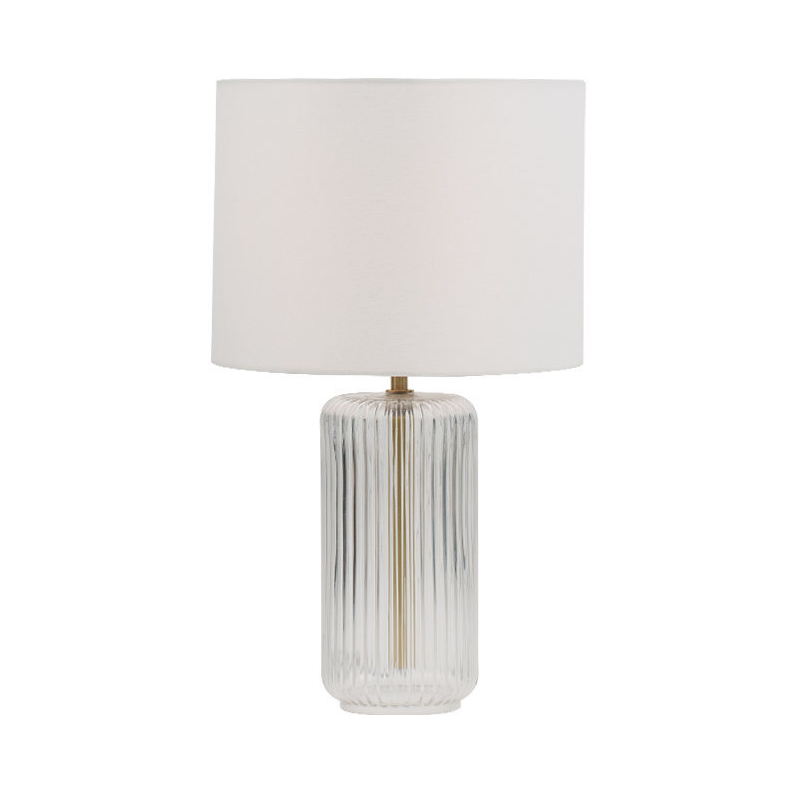
An importer in Rotterdam opens a container of 3,000 bedside lamps and finds 180 cracked glass shades. The bases are fine, the wiring passed inspectio...
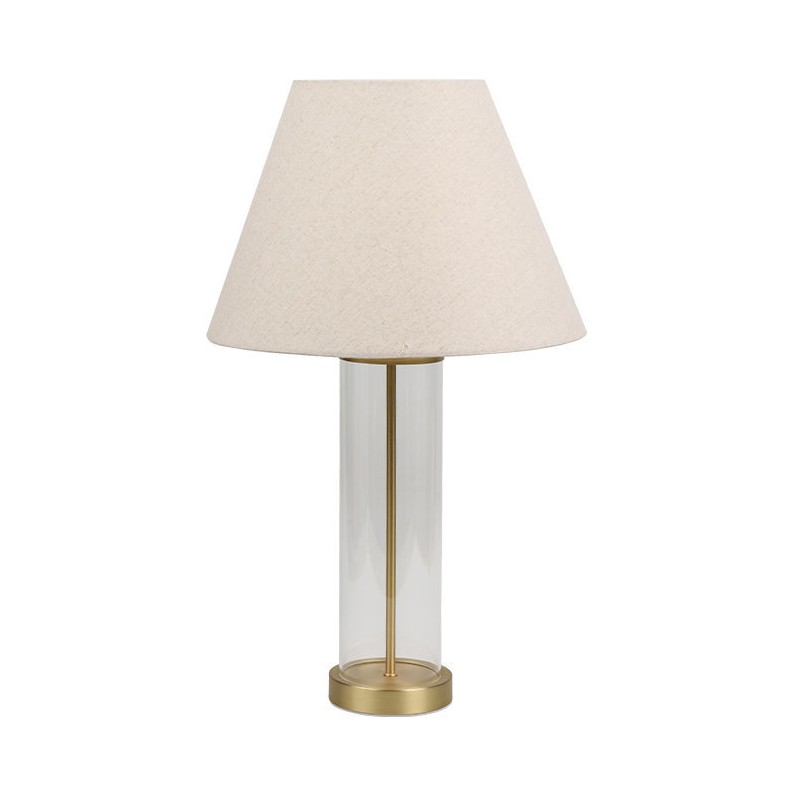
Two containers of the same decorative table lamp leave the same factory, and only the socket label changes: E27 for a German importer, E26 for a US w...
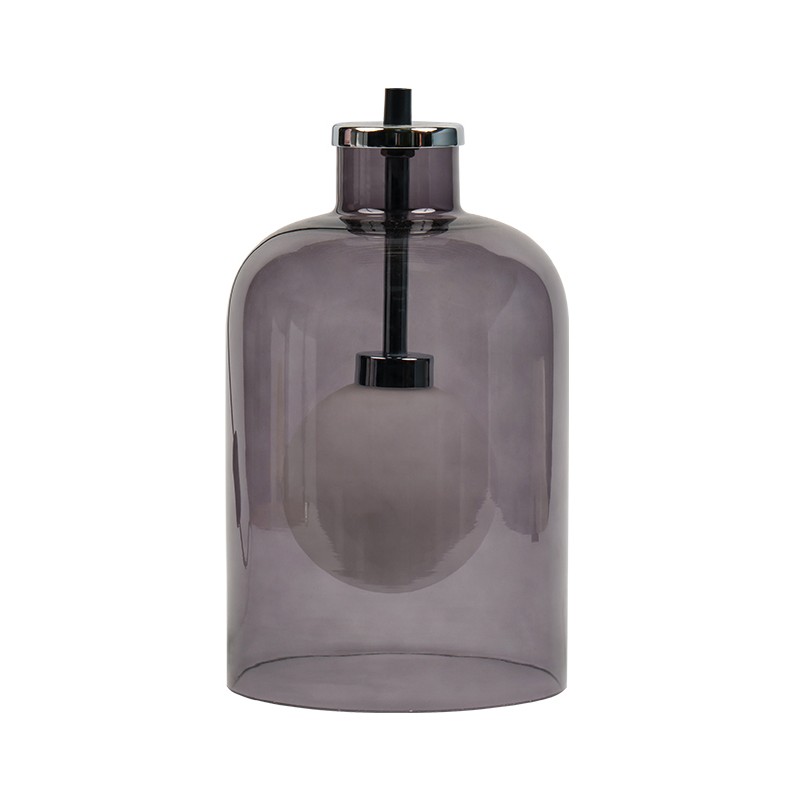
If a replacement lampshade arrives and will not sit straight, will not clear the bulb, or leans to one side, the fault is almost never the shade. It ...
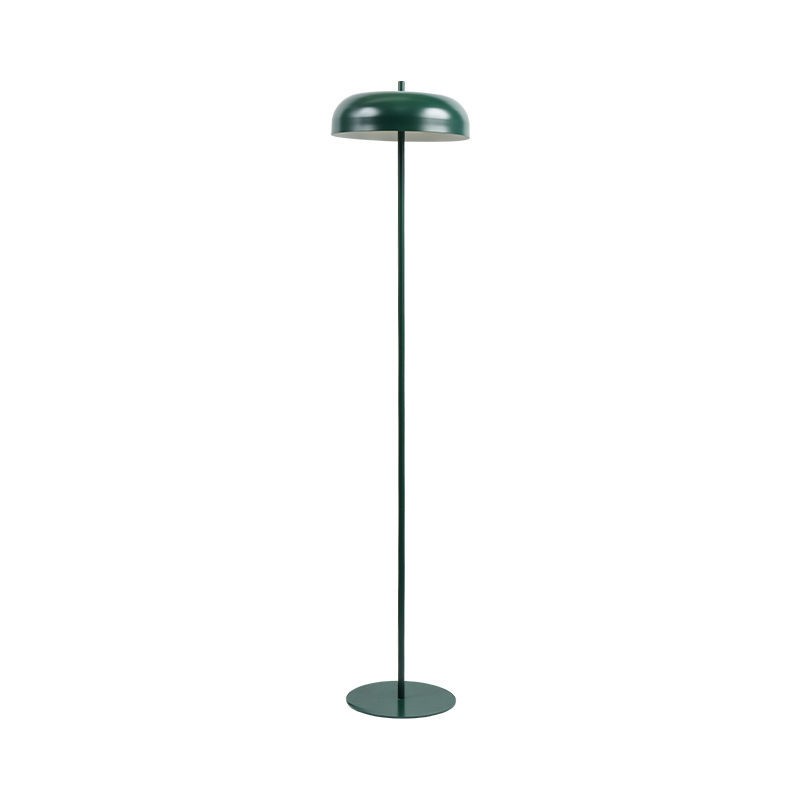
Imagine you are sourcing 2,000 lamps for a boutique hotel renovation, and the specification sheet only says "fluorescent lamp vs incandescent lamp." ...

 No.11 Gongji South Road, Linshan Town, Yuyao City, Zhejiang Province, China
Copyright ? Yuyao Baolong Electrical Appliance Co., Ltd. All Rights Reserved. Wholesale Decoration Lamp Manufacturer Decoration Lamp Factory


bla@yybaolong.cn

+86-18868663339
+86-574-62067336