English
  中文简体
中文简体  Français
  Español
Lamp Shade Types Explained: A Practical Sourcing Guide for B2B Importers
An importer in Rotterdam opens a container of 3,000 bedside lamps and finds 180 cracked glass shades. The bases are fine, the wiring passed inspectio...
Content
The right answer to "which lamp should I choose" depends on three things: where the lamp will be used, how much light output is needed, and how the lamp will be controlled. Table lamps, floor lamps, and ceiling lamps remain the three most widely purchased lighting categories for residential and light-commercial interiors, and each one is engineered around a different lighting task rather than a single universal design. A table lamp is generally chosen for focused, close-range tasks such as reading or desk work. A floor lamp is chosen to fill a larger area of a room with ambient light without occupying surface space. A ceiling lamp is chosen when even, wide-area illumination is the priority, such as in a living room, kitchen, or office.
For buyers who are sourcing lighting products in volume, whether for retail, hospitality, or export, the decision becomes more structured. A professional lamp manufacturer typically evaluates a lamp on five dimensions: material durability, energy consumption, compatibility with different bulb technologies, ease of assembly, and compliance with the destination market's electrical standards. This article walks through each of these dimensions in detail, compares lamp types using simple data visualizations, and closes with a maintenance guide and answers to common buyer questions.
| Lamp Type | Typical Placement | Primary Function |
|---|---|---|
| Table Lamp | Desk, nightstand, side table | Task and reading light |
| Floor Lamp | Living room corner, lounge area | Ambient area light |
| Ceiling Lamp | Overhead, centered in room | General wide-area light |
Key takeaway: choosing between a table lamp, floor lamp, or ceiling lamp starts with the task the lamp needs to perform, not the style of the fixture.
A modern lamp is built from a small number of core components that work together: a base for stability, a body or arm that positions the light source, a socket that holds the bulb, a shade that diffuses or directs the light, and a cord or driver that supplies power. In LED lamp technology specifically, the driver converts household alternating current into the low-voltage direct current that LED chips require, which is one reason LED lamps generally run cooler and consume less power than incandescent or halogen alternatives.
Adjustable lamp designs add a further layer of mechanical structure, typically a hinge, swivel joint, or telescoping arm, so the user can redirect the beam without moving the entire fixture. Multifunction lamp models go a step further by combining a light source with additional features such as a USB charging port, a built-in dimmer, or a touch-control switch. These features are increasingly common in both table lamp and floor lamp product lines sold to hospitality and office buyers, since a single fixture can then serve lighting and charging needs at once.
Key takeaway: the driver and socket are the two components most responsible for a lamp's energy efficiency and compatibility with different bulb types.
Before looking at the chart below, it helps to understand what is being compared and why. Lamp buyers frequently ask how different light source technologies stack up against one another on the factors that matter most in daily use. The chart that follows presents a general, illustrative comparison of four common light source technologies still found across table lamp, floor lamp, and ceiling lamp product lines: LED, compact fluorescent (CFL), halogen, and incandescent. The values shown are indicative rankings based on widely reported characteristics of each technology rather than measurements of any single product. This kind of comparison is useful for a buyer, retailer, or lamp wholesaler deciding which light source to specify for a new product line.
The chart shows a clear ranking, and the gap between the top and bottom bars is the most important detail to notice. LED light sources rank highest on relative energy efficiency, which lines up with the general industry understanding that LED chips convert a larger share of input electricity into visible light rather than heat. CFL technology sits in the middle of the group, offering better efficiency than halogen or incandescent sources while still generating more heat and having a shorter working life than LED. Halogen sources rank lower because they operate similarly to incandescent lamps but with a slightly more efficient filament and gas fill, giving a modest improvement rather than a dramatic one. Incandescent sources rank lowest on this index because most of the electricity they consume is released as heat rather than light, which is the main reason this technology has been phased out of many product lines in recent years. For a table lamp or floor lamp manufacturer, this ranking explains why LED has become the default light source specified for new designs, especially for buyers who want a durable lamp with lower running costs. A ceiling lamp intended for long daily use in a commercial space benefits the most from this efficiency gap, since the fixture may be switched on for many hours per day. Buyers sourcing from a China lamp factory for export markets often request LED as the standard light source specifically because of this efficiency advantage. It is worth noting that efficiency is only one factor among several, and color rendering, dimmability, and upfront component cost should also be weighed before a final decision is made. Even so, this chart offers a useful starting point for any conversation between a buyer and a lamp supplier about which light source to specify for a new order.
Lighting buyers and retailers frequently want to understand how the market has been moving over time before committing to a new product line. The line chart below offers an illustrative, general representation of the broad shift toward LED light sources that has been widely reported across the lighting industry over the past decade. It is intended to communicate the overall direction of the trend rather than to represent a specific dataset from any single source. The horizontal axis represents a general five-period timeline, and the vertical axis represents the approximate relative share of LED products within typical lamp product catalogs. This kind of trend is relevant to any lamp manufacturer, lamp exporter, or wholesale supplier reviewing which technology to prioritize when planning new tooling or catalog updates.
The upward slope of the line is the main pattern to focus on, and it does not level off across the five periods shown. Each point on the line represents a step up in the general proportion of LED products appearing in typical lighting catalogs, moving from a smaller starting share in Period 1 to a much larger share by Period 5. This kind of steady, continuous rise is consistent with what many lighting trade publications have described as a structural shift rather than a short-term fashion trend. The acceleration between Period 2 and Period 4 is notably steeper than the earlier stage, which generally reflects the point at which LED component costs fell enough for the technology to become the default choice rather than a premium upgrade. For a table lamp or floor lamp buyer, this trend line explains why sourcing conversations with a lamp supplier today usually start from LED as the assumed light source rather than as an optional add-on. A professional lamp manufacturer that wants to remain competitive typically aligns its production tooling with this trend well ahead of time, since retooling a factory line takes longer than the market shift itself. The trend also has downstream effects on accessory categories, including drivers, dimmer switches, and heat-management components, all of which have needed to evolve alongside the light source itself. Buyers working with an OEM lamp manufacturer or ODM lamp factory should expect that most new tooling and mold development today is built around LED modules by default. Recognizing this trend is useful not only for product selection but also for long-term planning, since a lamp that is not compatible with LED retrofitting may face a shorter useful life in the market. In short, the direction of the line is the message: LED adoption has moved from a minority share to a dominant share, and the trend line gives no indication of reversing.
Choosing a light source is rarely about a single factor, which is why a multi-attribute comparison is often more useful than a single ranking. The radar chart below plots four common light source technologies across five attributes that buyers frequently care about: energy efficiency, working lifespan, dimming and control flexibility, design flexibility, and general eco-friendliness. Each attribute is scored on a simple relative scale from the center of the chart outward, where a point further from the center represents a stronger relative performance on that attribute. This visualization is meant to give a fast, at-a-glance summary rather than a precise laboratory measurement. It is a useful reference for a buyer, wholesale supplier, or retailer comparing options for a new durable lamp product line.
The shape of each polygon tells most of the story here, and the LED shape is visibly larger and more balanced than the halogen shape across nearly every attribute. LED performs strongly on energy efficiency and lifespan, which reflects its lower heat output and the extended operating life typically reported for LED chips compared with filament-based sources. The eco-friendliness point for LED is also pulled further outward, consistent with its lower energy draw and the absence of certain materials used in older lighting technologies. Halogen, by contrast, forms a narrower shape that leans more heavily toward design flexibility and moderate dimming control, since halogen sources have historically been valued for their compact size and warm, easily dimmable light output. The gap between the two shapes on the lifespan axis is particularly wide, which is one of the most commercially relevant differences for a buyer thinking about long-term maintenance costs. Design flexibility is the one attribute where the two technologies are closer together, since both can be engineered into compact fixtures suitable for a table lamp or an adjustable lamp arm. For a lamp wholesaler stocking multiple technologies, this chart helps explain why LED-based products are frequently positioned as the primary offering while halogen-based products may be kept as a smaller, specialty line. An eco friendly lamp positioning strategy, in particular, tends to align closely with the LED shape shown here rather than with older filament-based technologies. Ultimately, no single technology wins on every axis, but the overall size of the LED polygon relative to the halogen polygon summarizes why LED has become the standard recommendation across most lamp categories, from portable lamp models to fixed ceiling lamp installations.
Selecting the right lamp for a project or a retail catalog generally comes down to matching product attributes to the intended use case. Below are the criteria that a buyer working with a lamp manufacturer or lamp supplier typically reviews before placing an order.
Functional Criteria
|
Sourcing Criteria
|
Buyers who work directly with a China lamp manufacturer often prioritize suppliers that can support both small custom runs and larger wholesale lamp orders, since retail demand can shift between seasons. A professional lamp supplier will typically be transparent about lead times, minimum order quantities, and the specific certifications that apply to the destination market, since electrical safety requirements differ from region to region. Working with a reliable lamp producer that offers both OEM and ODM lamp factory services gives a buyer more flexibility to adapt an existing design or develop a fully custom product without starting the sourcing process from scratch.
Key takeaway: functional fit and sourcing reliability should be evaluated together, not separately, when selecting a lamp supplier for a new product line.
Proper maintenance extends the useful life of any lamp, whether it is a table lamp used daily on a desk or a ceiling lamp installed in a commercial space. The following steps summarize general good practice for keeping a lamp in reliable working condition.
Dust the shade and body regularly with a soft, dry cloth to avoid buildup that can dim light output.
Inspect the cord and plug periodically for wear, and disconnect the lamp before any cleaning or bulb replacement.
Use a bulb type and wattage that matches the socket rating to avoid overheating the fixture.
Check hinges and swivel joints on an adjustable lamp arm to keep movement smooth and secure.
Following these steps consistently helps a durable lamp remain both safe and visually appealing over its full service life, which is a common expectation for buyers sourcing from a reliable lamp manufacturer for long-term retail or hospitality use.
Sourcing decisions ultimately come down to trust in a production partner. Yuyao Baolong Electrical Appliance Co., Ltd., established in 2010, is a lighting design, development, and production company based in Yuyao City, a location with convenient transportation access for export logistics. The company operates from a facility covering 6,500 square meters, employs over 130 staff members, and reports annual sales figures of more than 6 million US dollars. Its product range spans table lamps, floor lamps, and ceiling lamps, which are distributed to buyers across the Australian, European, and US markets.
As a China lamp manufacturer, the company positions its production around meeting international quality expectations, and a number of its products have obtained CE, ERP, and RoHS marks. For buyers evaluating a China factory partner for a new lighting line, this combination of scale, market experience, and product breadth is typically what distinguishes an established lamp producer from a smaller, less specialized workshop. The company supports both OEM and ODM order types, which means buyers can either adapt an existing design to their own branding or develop a fully custom lamp from initial concept through production. This flexibility is particularly relevant for retailers, distributors, and hospitality buyers who want a China supplier capable of scaling from small trial orders to larger wholesale volumes as demand grows.
Key takeaway: a lamp manufacturer with established export experience, recognized product certifications, and both OEM and ODM capability offers buyers more flexibility across the full sourcing process.
Q1: What is the difference between a table lamp and a floor lamp?A table lamp is designed to rest on a surface and provide focused task lighting, while a floor lamp stands independently on the ground and is generally used to add ambient light across a wider area of a room. |
Q2: Why do most modern lamps use LED light sources?LED sources are generally reported to consume less energy and last longer than halogen or incandescent alternatives, which is why most lamp manufacturers now specify LED as the standard light source in new product lines. |
Q3: Can a lamp manufacturer support custom OEM and ODM orders?Many established lamp manufacturers, including OEM and ODM lamp factories, can adapt an existing design to a buyer's branding or develop a fully new lamp concept, depending on the buyer's requirements and order volume. |
Q4: How can a lamp be kept working reliably over time?Regular dusting, periodic inspection of the cord and plug, using a correctly rated replacement bulb, and checking any adjustable joints are the main habits that keep a lamp functioning safely over its service life. |
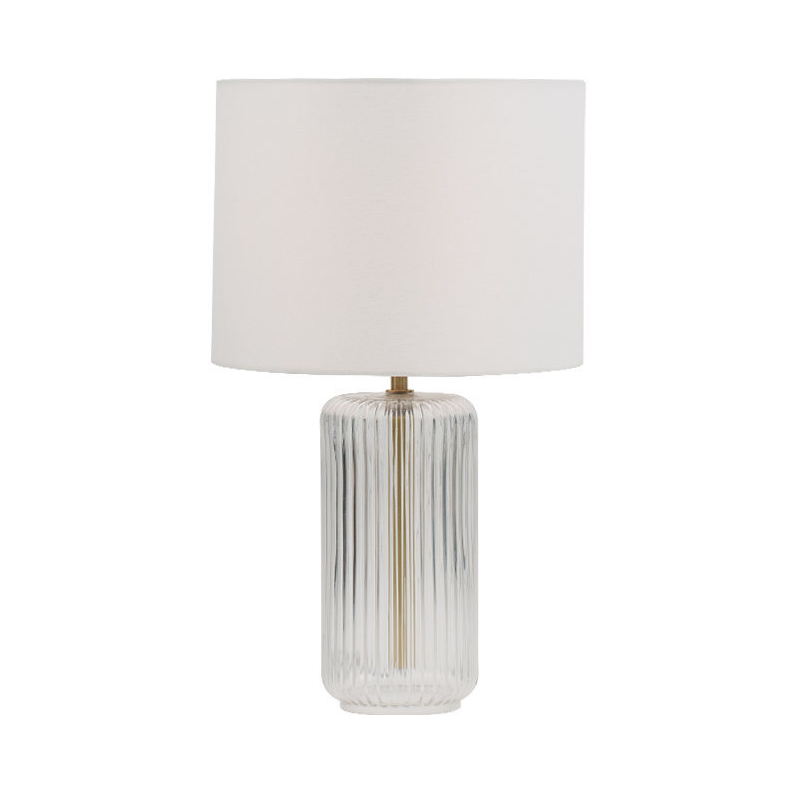
An importer in Rotterdam opens a container of 3,000 bedside lamps and finds 180 cracked glass shades. The bases are fine, the wiring passed inspectio...
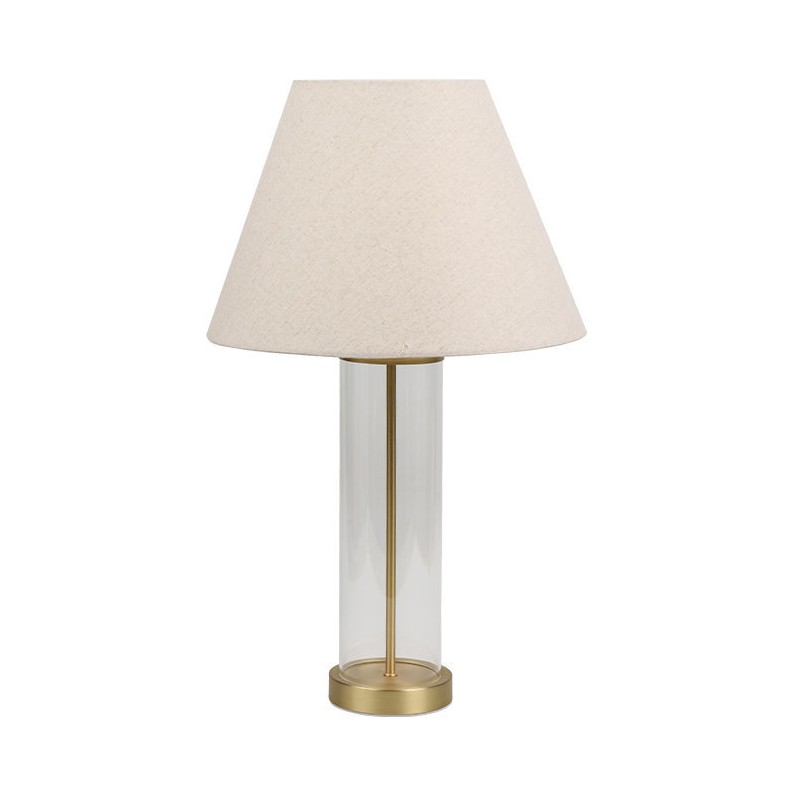
Two containers of the same decorative table lamp leave the same factory, and only the socket label changes: E27 for a German importer, E26 for a US w...
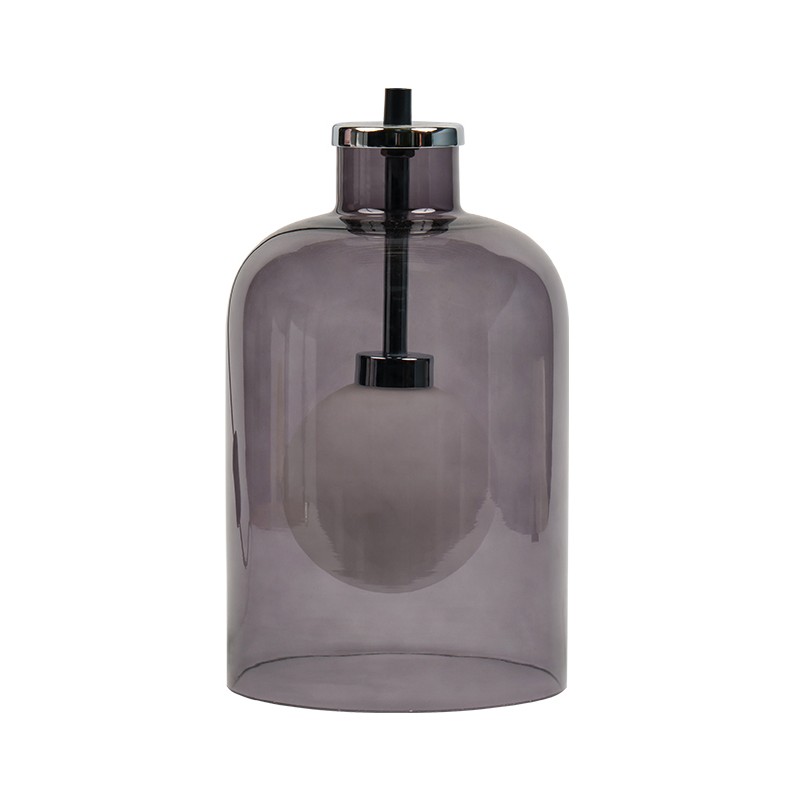
If a replacement lampshade arrives and will not sit straight, will not clear the bulb, or leans to one side, the fault is almost never the shade. It ...
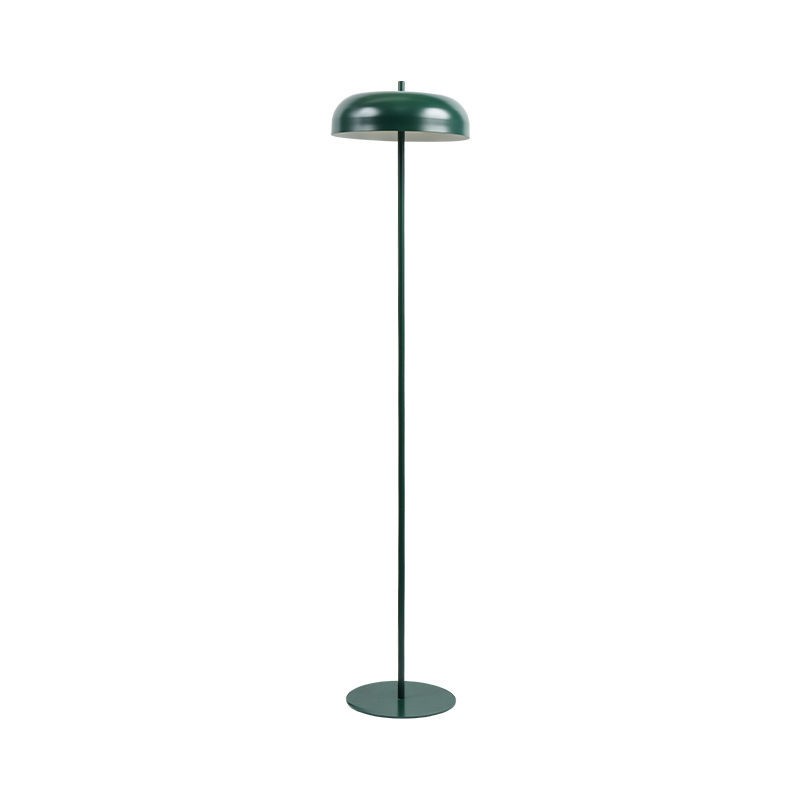
Imagine you are sourcing 2,000 lamps for a boutique hotel renovation, and the specification sheet only says "fluorescent lamp vs incandescent lamp." ...

 No.11 Gongji South Road, Linshan Town, Yuyao City, Zhejiang Province, China
Copyright ? Yuyao Baolong Electrical Appliance Co., Ltd. All Rights Reserved. Wholesale Decoration Lamp Manufacturer Decoration Lamp Factory


bla@yybaolong.cn

+86-18868663339
+86-574-62067336