English
  中文简体
中文简体  Français
  Español
Fluorescent Lamp vs Incandescent Lamp: Efficiency, Cost, and Best Uses
Imagine you are sourcing 2,000 lamps for a boutique hotel renovation, and the specification sheet only says "fluorescent lamp vs incandescent lamp." ...
The most reliable way to choose a glass table lamp is to match its base material and shade style to the room's existing color palette first, then check that its bulb wattage and light output actually suit the task the lamp will be used for, whether that is soft ambient background light or a brighter reading light beside a chair. Glass bases bring a distinct visual weight and light-reflecting quality that fabric or metal bases cannot fully replicate, which is why glass table lamps remain a consistent choice for both residential and hospitality interiors. The sections below walk through common glass table lamp types, how a table lamp is actually constructed, where and how to select one, how it compares with floor and ceiling lighting, and how to keep a glass table lamp performing well over years of use.
Content
Glass table lamps are generally grouped by how the glass base is worked and finished, since that treatment shapes both the visual character of the lamp and how it interacts with light. A clear or lightly tinted glass base tends to read as understated and versatile, blending into most existing decor schemes, while a colored or mosaic glass base becomes more of a decorative focal point on its own. Beyond the base style, several functional features distinguish one glass table lamp from another and are worth checking before purchase.
Bulb compatibility also varies by lamp design, and the light output a bulb delivers has a direct effect on whether a glass table lamp reads as soft ambient lighting or a brighter functional light source. The horizontal bar chart below places three common bulb types side by side by their typical light output range, expressed in lumens, to help illustrate this relationship.
General reference range for light output by common table lamp bulb type (illustrative, exact output varies by product and wattage).
Reading the chart from top to bottom, the incandescent-equivalent bulb sits at the lower end of the output range, which is one reason it is still often chosen for softer ambient corners of a room where a bright light source would feel harsh. The CFL bar extends further, reflecting the higher efficiency of compact fluorescent technology relative to older incandescent designs at a similar wattage draw. The LED bar extends furthest and also shows the widest range, since LED bulbs are manufactured across a broad span of output levels, from soft accent bulbs to considerably brighter task-lighting options, all within a similar physical bulb size. This wide LED range is part of why LED bulbs have become a common default recommendation for a glass table lamp, since a single lamp fixture can be paired with different LED output levels depending on whether it will serve an ambient or task role. A lamp shade material also interacts with this chart in practice, since a denser or darker shade will diffuse and reduce perceived brightness compared with the same bulb under a lighter, more translucent shade. For reading or close task work, choosing a bulb toward the higher end of the range shown is generally more comfortable than relying on a dim ambient-level bulb. For a lamp placed primarily for decorative or accent purposes, a lower output bulb is often more appropriate and also reduces glare reflecting off a glass base. Because wattage and lumen labeling can vary between manufacturers, checking the specific lumen rating on the bulb packaging is a more reliable guide than assuming a given wattage always delivers the same brightness. Matching bulb type to the lamp's intended role in the room, rather than defaulting to whatever bulb happens to be on hand, is a simple step that meaningfully changes how a glass table lamp performs day to day.
Key takeaway: the glass base style sets the visual character of a table lamp, but the bulb type and light output actually determine whether it functions as ambient decor or usable task lighting.
A glass table lamp is a fairly simple assembly, but each component plays a specific role in stability, safety, and light quality. The glass base, whether solid or hollow, provides most of the lamp's visible mass and, particularly in hollow designs, is often weighted internally to keep the lamp stable on a table surface. A vertical stem or neck rises from the base to the socket assembly, through which the internal wiring runs from the base up to the bulb socket and back down to the cord and plug.
The diagram below shows the main structural groups found on a typical glass table lamp, presented in a simplified three-dimensional layout for clarity.
Above the stem sits the harp, a wire frame that holds the shade at the correct height and distance from the bulb, attached to a socket assembly that houses the bulb connection and the on-lamp switch. The shade itself, whether fabric, paper, or a secondary glass diffuser, is what most directly shapes how light is distributed into the room, softening a direct point source into a broader, more even glow. At the base, a grounded cord and plug connect the lamp to power, typically routed through a felt-lined base pad that also protects the table surface underneath. Understanding this basic structure helps explain why certain maintenance issues, such as a loose harp or a worn socket, tend to recur, and it is covered in more detail in the maintenance section later in this article.
Key takeaway: a weighted glass base, a stable harp and socket assembly, and a well-matched shade together determine how safely and evenly a glass table lamp performs in daily use.
Glass table lamps serve a wide range of settings, from a nightstand beside a bed to a console table in a hotel lobby, and the right lamp for one setting is not always the right choice for another. A bedroom nightstand lamp generally prioritizes a softer, dimmable light and a compact footprint, while a living room console lamp often prioritizes visual presence and a broader ambient glow across a larger space. Hospitality settings, such as hotel rooms and lobbies, tend to favor durable construction and a consistent look across many identical units placed throughout a property.
Ambient and Decorative PlacementLiving room console tables, entryway tables, and hotel lobby surfaces generally call for a glass table lamp chosen mainly for visual presence, with a softer bulb and a shade that spreads a broad, even glow across the surrounding area. |
Task and Reading PlacementBedside nightstands, home office desks, and reading chairs generally call for a lamp with a higher-output bulb option and a shade angled to direct usable light downward onto a book or work surface. |
Beyond placement, buyers commonly weigh how a glass table lamp compares against floor lamps and ceiling lamps when deciding which lighting category best fits a given room. The radar chart below compares these three common lighting categories across four criteria that shoppers and interior planners frequently consider together. This comparison is intended as a general planning reference rather than a substitute for reviewing a specific product's dimensions and output rating. Each lighting category trades off differently across these four criteria, which is why most well-lit rooms end up combining more than one category rather than relying on a single fixture type. Reviewing where a room's actual lighting needs fall across these four criteria tends to be a more useful planning step than choosing a fixture type by habit alone.
Illustrative relative positioning of glass table lamps, floor lamps, and ceiling lamps across four planning criteria (general reference, not a lab-measured comparison).
Reading the chart, glass table lamps score comparatively strongly on decorative focal point, since the base itself is often chosen for its visual appearance as much as its light output, and on installation ease, since a table lamp simply plugs in and requires no fixed mounting. Floor lamps extend further on ambient coverage, since their taller profile lets them cast light across a wider vertical span of a room, which is why they are often chosen to fill a corner that a table lamp cannot reach as effectively. Ceiling lamps generally extend furthest on ambient coverage as well but score lower on placement flexibility, since a ceiling fixture is fixed in location once installed and cannot be moved the way a table or floor lamp can. None of the three categories leads on every criterion, which is a large part of why interior lighting plans commonly layer table lamps, floor lamps, and ceiling fixtures together rather than relying on just one category for an entire room. A living room, for example, often uses a ceiling fixture for general coverage, a floor lamp to fill a reading corner, and one or two glass table lamps on side tables to add warmth and decorative interest at a lower, more intimate light level. Hospitality designers frequently follow a similar layered approach, since guests generally respond better to varied light levels around a room than to a single uniform overhead source. For a home office or reading nook specifically, a table lamp's installation ease and placement flexibility often outweigh its more limited ambient coverage, since the lamp can simply be repositioned as furniture layout changes. Buyers furnishing a new space from scratch benefit from thinking about all three categories together at the planning stage, rather than selecting a table lamp in isolation and only later realizing the room still needs additional ambient coverage. Matching each lighting category to the specific role it plays best, rather than expecting one fixture type to do everything, tends to produce a more comfortable and functional result across most rooms.
Key takeaway: glass table lamps lead on decorative focal point and installation ease, but most well-lit rooms still combine table, floor, and ceiling lighting rather than relying on any single category alone.
Looking at these three lighting categories side by side in table form helps summarize the planning points raised in the previous section into a quick reference a buyer can check against their own room layout.
| Category | Typical Placement | Installation |
|---|---|---|
| Glass Table Lamp | Side tables, nightstands, console tables | Plug-in, no mounting required |
| Floor Lamp | Reading corners, beside seating | Plug-in, freestanding |
| Ceiling Lamp | Room center, hallways, kitchens | Fixed wiring, professional mounting |
Lighting technology adoption has also shifted noticeably across all three categories in recent years, particularly around LED bulbs replacing older incandescent and halogen sources. According to general lighting industry reporting, LED adoption in decorative and residential fixtures has climbed steadily over the past decade as bulb costs have declined and available color temperature options have broadened. The line chart below sketches this general, illustrative adoption pattern rather than citing a specific measured figure from any single source. As the line rises, it reflects a broader shift in how table lamps, floor lamps, and ceiling fixtures are increasingly sold and used together with LED-compatible sockets. This trend has practical implications for anyone selecting a glass table lamp today, since checking LED compatibility has become a more relevant question than it was in earlier years.
Conceptual, illustrative trend of LED bulb adoption in decorative residential lighting fixtures over time, based on general lighting industry reporting.
The steady upward slope reflects a general direction described across lighting industry commentary rather than a single precise statistic, but it lines up with several practical shifts buyers can observe directly, including wider LED bulb availability at general retailers and broader color temperature labeling on packaging. Early in the period shown, incandescent and CFL bulbs remained common in table lamps, floor lamps, and ceiling fixtures alike, largely because LED bulbs carried a higher upfront cost and a narrower range of available shapes. As LED manufacturing scaled and costs declined, adoption climbed across all three fixture categories, though ceiling fixtures and floor lamps generally moved first since their sockets were already commonly compatible with standard bulb bases. Glass table lamps followed a similar trajectory, and most current glass table lamp designs, including harp-and-socket assemblies, are built to accept standard LED bulbs without any special adapter. This shift matters for buyers because LED bulbs typically run cooler to the touch than older incandescent bulbs, which is a relevant consideration for a lamp with a glass base positioned near curtains, bedding, or other close furnishings. LED bulbs are also generally available across a wider range of color temperatures, from warm amber tones closer to traditional incandescent light to cooler white tones more common in task lighting, giving buyers more control over how a glass table lamp's light actually feels in a room. For hospitality buyers furnishing many rooms with matching fixtures, LED compatibility also simplifies bulk bulb purchasing and replacement scheduling across a property. None of this means older bulb types have disappeared entirely, since some buyers still prefer the specific warm color rendering of incandescent light for certain decorative settings. Overall, the trend shown here supports a practical recommendation: when selecting a glass table lamp today, confirming LED bulb compatibility is a reasonable default expectation rather than a special feature to search for separately. Reviewing a lamp's maximum wattage rating alongside its LED compatibility together gives the most complete picture of how bright and how efficient a given lamp can be in practice.
Key takeaway: LED adoption across table, floor, and ceiling lighting has climbed steadily, and most current glass table lamp designs are built to accept standard LED bulbs without any special adapter.
A glass table lamp requires relatively little upkeep compared with more mechanically complex household items, but a few recurring maintenance tasks make a meaningful difference in both appearance and safety over time. Dust and fingerprints show clearly on a glass base, so periodic cleaning with a soft, lint-free cloth keeps the surface looking its best, and a mild glass cleaner can be used sparingly on non-porous glass finishes. The cord and plug deserve occasional visual inspection for fraying or looseness, since a damaged cord is one of the more common safety concerns with any electrical lighting fixture.
The donut chart below breaks down where routine maintenance attention on a glass table lamp is typically spent, based on general practice patterns rather than a specific timed study, so owners can prioritize the areas that most often need a closer look.
General allocation of routine maintenance attention across common glass table lamp task categories (illustrative practice pattern).
| Maintenance Task | Typical Share of Attention |
|---|---|
| Glass base cleaning | 35% |
| Cord and plug inspection | 30% |
| Bulb and socket check | 20% |
| Harp and shade alignment | 15% |
Glass base cleaning claims the largest share of routine attention, which follows naturally from how visibly dust and fingerprints show on a reflective glass surface compared with a fabric or metal base. Cord and plug inspection ranks close behind, and while it takes less frequent attention than cleaning, it carries more safety weight per check, since a fraying cord or a loose plug connection should be addressed immediately rather than left for a future cleaning session. Bulb and socket checks matter because a socket that has loosened slightly over time can cause a bulb to flicker or make poor contact, and confirming the bulb wattage stays within the lamp's rated maximum helps avoid excess heat buildup inside the socket housing. Harp and shade alignment, while the smallest share shown here, affects how evenly light spreads into the room, since a shade sitting slightly crooked on its harp will cast an uneven glow and can also shift the shade fabric closer to the bulb than intended. Most of these tasks take only a minute or two when done regularly, but skipping them for extended periods allows small issues, like a slightly loose harp or a thin layer of dust, to become more noticeable and, in the case of the cord, potentially unsafe. Households with young children or pets sometimes find their glass table lamps need more frequent stability and cord checks simply due to more regular contact with the lamp. Hospitality properties managing many identical lamps across guest rooms often build a simple rotating inspection schedule into routine housekeeping rather than waiting for a guest to report an issue. Seasonal dust accumulation can also vary by climate and by how close a lamp sits to an open window or a frequently used doorway. Replacing a bulb with one that matches the lamp's rated wattage, rather than a higher-wattage bulb that happens to fit the socket, is one of the simplest steps to protect both the socket and the surrounding shade material over the lamp's working life. Building these small checks into an existing regular cleaning routine, rather than treating them as a separate task, is usually enough to keep a glass table lamp looking and functioning well for years.
Key takeaway: glass base cleaning and cord inspection together account for most routine glass table lamp maintenance, and checking bulb wattage against the lamp's rating is a simple step that protects both the socket and the shade.
Buyers sourcing glass table lamps in volume, whether for retail, hospitality projects, or private label programs, generally look beyond a single product photo toward how consistently a manufacturer can reproduce glass base quality, wiring safety, and finish detail across a full production run. A manufacturer with its own in-house design, development, and production capability is typically better positioned to hold that consistency than one relying entirely on outsourced components, since glass forming and lamp assembly both benefit from tightly coordinated in-house processes.
Yuyao Baolong Electrical Appliance Co., Ltd. is one example of a manufacturer built around this kind of focused lighting specialization. Established in 2010 and based in Yuyao City, a location with convenient transportation access, the company covers an area of 6,500 square meters, employs more than 130 people, and reports annual sales figures of over six million US dollars. As a professional manufacturer and exporter concerned specifically with lighting design, development, and production, the company's product range spans table lamps, floor lamps, and ceiling lamps, categories that map directly onto the comparison discussed earlier in this article, and its products sell into the Australian, European, and US markets.
As a China manufacturer and China factory offering both OEM and ODM services, the company works directly with international clients interested in custom orders, positioning it as a practical option for buyers comparing a China supplier, China wholesale source, or OEM factory for a lighting program. For buyers evaluating a wholesale supplier or exporter for glass table lamps specifically, a company producing table, floor, and ceiling lamps together under one roof offers a broader lighting range to draw from when a project calls for coordinated fixtures across a space rather than a single product line.
Key takeaway: a lighting manufacturer producing table, floor, and ceiling lamps together, with its own design and production capability, gives buyers a broader and more consistent sourcing base for glass table lamp programs.
Q1: What size glass table lamp should I choose for a side table?A general guideline is to keep the lamp's total height, base to shade top, at roughly one and a half times the height of the table it sits on, so the shade sits near eye level when seated nearby. Checking the base diameter against the table surface also helps avoid a lamp that looks oversized or unstable on a smaller table. |
Q2: Can I use an LED bulb in a glass table lamp designed for incandescent bulbs?Most glass table lamps with a standard socket accept LED bulbs without modification, since the socket base is generally the same across bulb types. It is still worth confirming the lamp's maximum wattage rating and choosing an LED bulb within that rating for safe, reliable operation. |
Q3: How should I clean a glass table lamp base without damaging it?A soft, lint-free cloth is generally sufficient for routine dusting, and a small amount of mild glass cleaner applied to the cloth, rather than sprayed directly on the lamp, works well for fingerprints or smudges. Always unplug the lamp before cleaning near the base and socket area. |
Q4: Should a glass table lamp be paired with a floor lamp or ceiling light?Pairing is common practice, since a glass table lamp generally covers decorative and localized lighting well but has more limited overall room coverage than a floor lamp or ceiling fixture. Layering table, floor, and ceiling lighting together tends to give a room more flexible and comfortable light levels than relying on any single fixture type. |
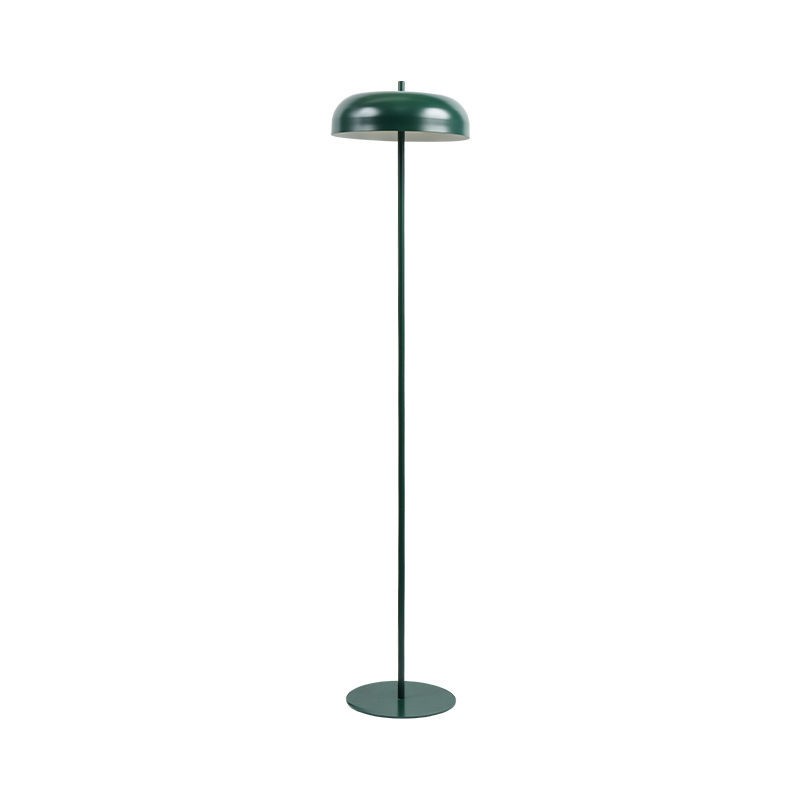
Imagine you are sourcing 2,000 lamps for a boutique hotel renovation, and the specification sheet only says "fluorescent lamp vs incandescent lamp." ...
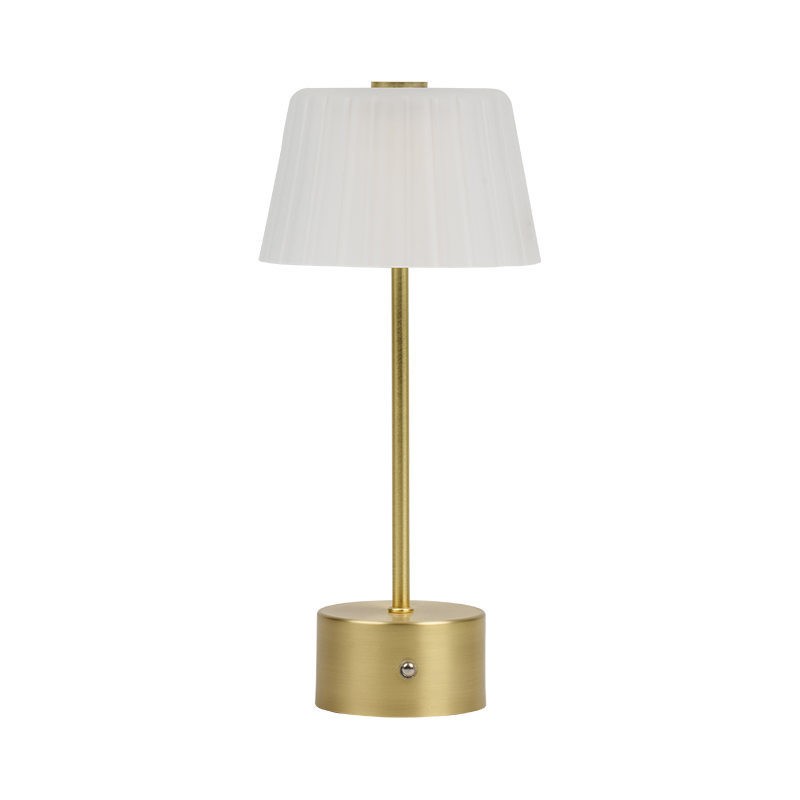
A restaurant operator in Sydney is lighting a courtyard terrace where the contractor never installed outdoor sockets. A hotel buyer needs bedside lam...
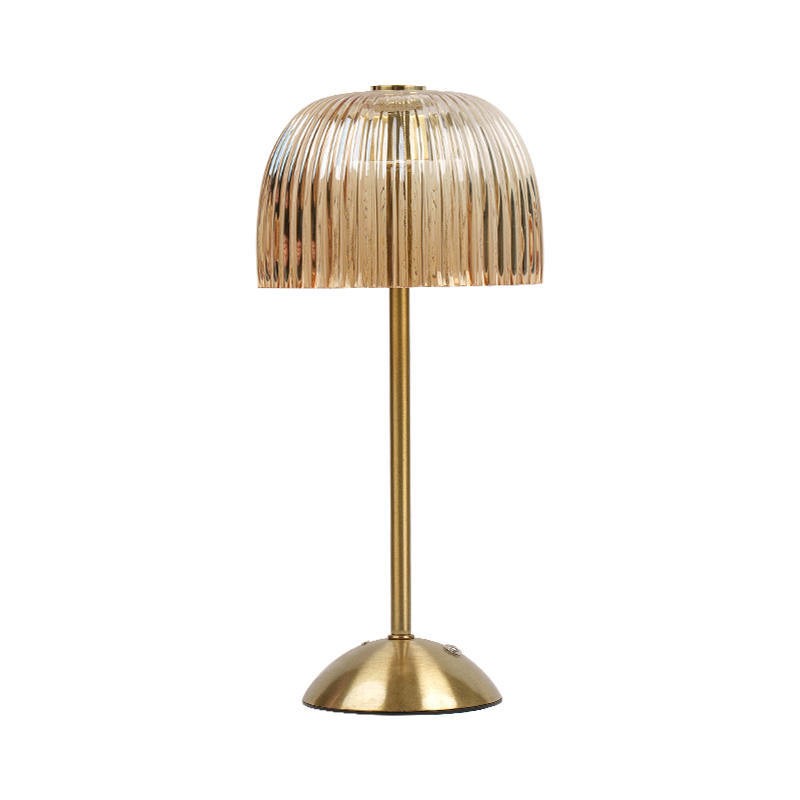
Why Cordless Table Lamps Rechargeable Models Are Gaining Traction in the Contract Lighting Market A cordless table lamp rechargeable design solves a ...
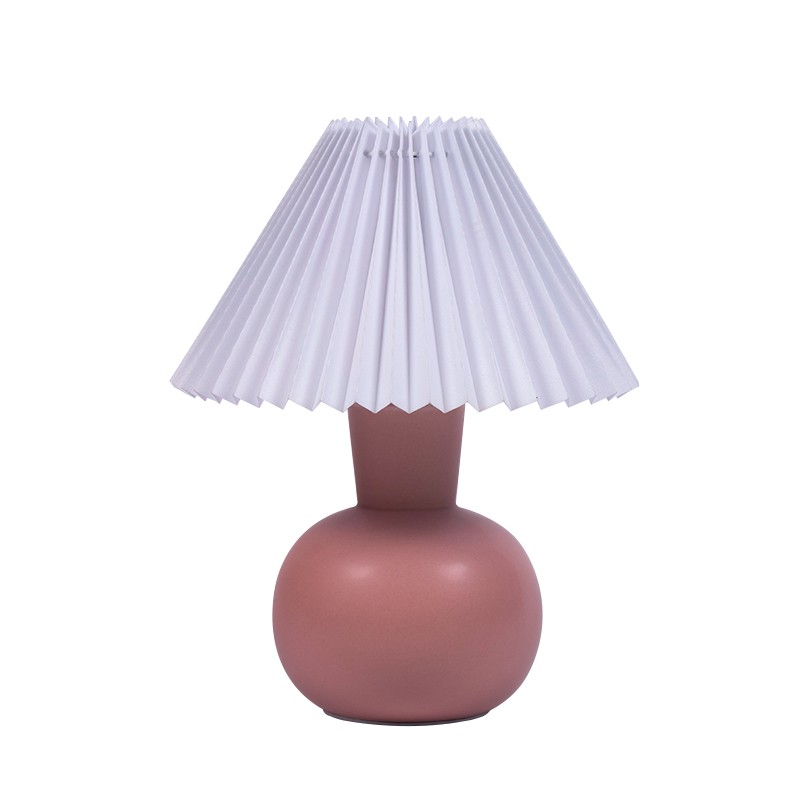
Every buyer who has sourced decorative lighting has met the same mismatch: the catalogue drawing looks right, the finish is approved, and then the sh...

 No.11 Gongji South Road, Linshan Town, Yuyao City, Zhejiang Province, China
Copyright ? Yuyao Baolong Electrical Appliance Co., Ltd. All Rights Reserved. Wholesale Decoration Lamp Manufacturer Decoration Lamp Factory


bla@yybaolong.cn

+86-18868663339
+86-574-62067336