English
  中文简体
中文简体  Français
  Español
Fluorescent Lamp vs Incandescent Lamp: Efficiency, Cost, and Best Uses
Imagine you are sourcing 2,000 lamps for a boutique hotel renovation, and the specification sheet only says "fluorescent lamp vs incandescent lamp." ...
An iron table lamp is one of the most reliable choices for anyone who wants lighting that combines structural strength with lasting visual character. Because iron can be shaped, treated, and finished in many ways, an iron table lamp is able to fit Nordic, American, vintage, and openwork interior styles without losing the sturdiness that metal furniture is known for. The sections below explain how material selection, surface treatment, and design detailing work together to make an iron table lamp a practical and attractive lighting fixture for homes, hotels, and commercial interiors.
Content
The base material used in an iron table lamp is carefully screened before it enters production. Manufacturers typically select iron stock that has been checked for consistent thickness, low impurity content, and stable mechanical properties, since inconsistent raw material can lead to warping or premature corrosion later on. Once the raw iron is approved, it usually goes through additional processing such as rust prevention treatment, heat treatment, and strengthening treatment. These steps are intended to help the metal keep its shape and resist environmental stress over years of everyday use, whether the lamp sits in a dry living room or a more humid hotel bathroom vanity area. A well treated iron table lamp base should not be thought of as a single piece of raw metal, but as a material that has been engineered through several distinct stages before it ever reaches an assembly line.
Surface finishing is just as important as the internal metal treatment, because it is the surface that determines both the visual result and the day to day resistance to scuffing, moisture, and oxidation. Three finishing methods are commonly used across the Table Lamp BT category and similar wrought iron lighting products: baking paint, electroplating, and sandblasting. Baking paint, also called powder coating in some markets, is applied and then cured at controlled temperatures so that the coating bonds evenly across the surface, giving a smooth, weather resistant layer. Electroplating deposits a thin, dense metal layer onto the iron surface, which helps block oxidation while adding a distinct metallic sheen that many hollow base and grid style lamps use to highlight their frame details. Sandblasting instead roughens the surface intentionally, producing a matte, textured finish that suits industrial and farmhouse style interiors where a raw, tactile look is preferred over a glossy one.
Before looking at the chart below, it helps to understand what is actually being compared. The chart illustrates three finishing methods used on an iron table lamp frame: baking paint, electroplating, and sandblasting. Each bar reflects a general performance rating across three practical qualities that matter to buyers and interior designers: corrosion resistance, surface uniformity, and textured tactile feel. These ratings are illustrative and meant to help a reader compare finishing options conceptually rather than presenting exact laboratory figures. Understanding these differences can help a buyer choose the right finish for a Nordic metal wrought iron table lamp, an American iron table lamp, or a more decorative iron hollow base table lamp depending on the room and climate it will be used in.
The comparison above shows that no single finishing method wins in every category, which is exactly why manufacturers keep all three in production rather than standardizing on one. Baking paint tends to perform steadily across corrosion resistance and surface uniformity, which is why it is common on grid iron table lamps and simple iron table lamps meant for everyday household use. Electroplating shows a stronger corrosion resistance profile in many cases, since the deposited metal layer forms a dense barrier against moisture and air, making it a frequent choice for hollow base and decorative iron table lamps that are displayed as a visual centerpiece. Sandblasting scores lower on smooth uniformity by design, because its purpose is not a mirror finish but a deliberately rough, tactile surface that suits industrial and Nordic decorative table lamps. Buyers furnishing a coastal property or a humid hotel room may lean toward electroplated or baking paint finishes for their added resistance to moisture. Buyers who want an authentic wrought iron decorative table lamp look, closer to blacksmith made pieces, often prefer the textured result of sandblasting even though it requires slightly more maintenance attention. Interior designers frequently combine finishes within the same collection, using a baked finish on the structural frame and a sandblasted texture on decorative elements like a bird cage shade or mesh cover. This layered approach lets a single iron table lamp manufacturer offer a wide range of visual results from one core material. It also explains why an iron striped hollow decorative table lamp can look completely different from a hat shaped table lamp even though both may start from a similar iron stock. Understanding these tradeoffs helps buyers ask more informed questions when comparing catalogs from different suppliers. In practical terms, the finishing method chosen has a direct effect on how the lamp ages, how often it needs cleaning, and how it photographs in a showroom or product listing. This is why finishing method should be treated as a design decision, not just a manufacturing afterthought.
Iron as a raw material lends itself to an unusually wide design range, which is part of why the category includes everything from a black bird cage wrought iron table lamp to a mesh cover cylindrical personality table lamp. Because iron can be bent, welded, cut into patterns, and combined with fabric or glass shades, manufacturers are able to produce distinct sub styles while keeping the same underlying production process. Below are some of the more recognizable style groups found in current iron lighting catalogs.
The radar chart below compares three broad style groups discussed above across four design attributes: classic charm, structural openness, ornamental detail, and modern minimalism. It is meant as a conceptual visual aid rather than a precise measurement, helping readers quickly see how a Nordic style lamp differs from an American style lamp or a hollow mesh style lamp on paper. Each of the three shapes on the chart corresponds to one style group, and the further a point extends from the center, the stronger that attribute is expressed in that style. This kind of side by side view is often more useful than reading long paragraphs when someone is deciding between design directions for a bedroom, living room, or hotel project. Readers should treat the chart as a starting point for conversation with a supplier rather than a fixed rule, since finishing, shade material, and scale can shift the impression of any individual iron table lamp.
The Nordic profile leans furthest toward modern minimalism and classic charm at once, which explains why Nordic iron decorative table lamps are often marketed as pieces that fit both contemporary and slightly traditional interiors. The American profile shows the strongest classic charm reading of the three, consistent with its heavier silhouette and frequent pairing with fabric shades in traditional living rooms. The hollow and mesh cover group scores highest on structural openness, which matches how these lamps use cutouts and grid patterns to let light pass through the frame itself rather than only through the shade. None of the three groups scores at the extreme edge of ornamental detail, which reflects the overall restraint that most modern iron table lamp buyers now prefer compared to heavily ornamented antique reproductions. This restraint is also easier to manufacture consistently, since fewer decorative elements mean fewer points where a defect could appear during welding or finishing. A hotel procurement team furnishing many rooms at once often favors the Nordic or hollow and mesh groups specifically because of this manufacturing consistency. A residential buyer decorating a single feature room, on the other hand, may be more willing to pay attention to a single striking piece such as a hat shaped table lamp or a black bird cage wrought iron table lamp. Recognizing where a lamp style sits on attributes like these can help a buyer communicate more precisely with a supplier about what look they are trying to achieve. It also helps explain why the same manufacturer can offer both a simple iron table lamp and a more elaborate wrought iron decorative table lamp within the same catalog without either one feeling out of place.
Selecting an iron table lamp is not only a matter of personal taste. Room function, ambient lighting, and even ceiling height can all affect which style works best. The table below summarizes general recommendations that designers commonly apply when placing an iron table lamp within a home or hospitality setting.
| Room Type | Suggested Style | Reason |
|---|---|---|
| Bedroom | Black bird cage wrought iron table lamp | Soft cage shape reduces glare for bedside reading |
| Living Room | American iron table lamp | Heavier profile balances larger furniture pieces |
| Study or Office | Grid iron table lamp | Structured lines match a focused work setting |
| Hotel Guest Room | Hotel bedroom metal hollow iron table lamp | Openwork design reduces visual bulk across many identical rooms |
| Entryway or Console | Hat shaped table lamp | Compact silhouette suits smaller surfaces near a doorway |
The donut chart that follows offers a simplified, illustrative view of how buyer attention tends to be distributed across the main style families described earlier in this article. It is not drawn from a specific market survey, but instead reflects general patterns observed across catalog inquiries in the wrought iron lighting category. Nordic and hollow base designs are shown occupying a larger share, consistent with their popularity in modern apartment and small hotel projects. Bird cage and grid or striped designs make up the remaining shares, reflecting steady but more specialized demand. This visual is meant to help a reader think about assortment planning, such as how many of each style to stock or feature on a product page, rather than to state a precise industry figure.
Interpreting this chart alongside the earlier table gives a fuller picture of where each style tends to fit best. Nordic and hollow base styles occupying the largest combined share aligns with their versatility across both bedrooms and hotel rooms discussed above, since a single restrained design can serve multiple room types without feeling repetitive. The American style holding a solid but smaller share reflects its more specific placement in larger, traditionally furnished living rooms rather than universal use across a whole building. Bird cage and grid or striped styles rounding out the chart show that specialized, more decorative designs still hold a meaningful place in the category even though they are not the largest segment. A buyer sourcing for a boutique hotel with a distinct design identity might intentionally choose a higher share of bird cage or striped styles than this general chart suggests, since a boutique property often wants to stand out rather than blend in. A buyer sourcing for a larger chain hotel, by contrast, is more likely to lean toward the Nordic or hollow base share shown here because of the consistency and lower visual risk across many identical rooms. Retailers building an online catalog can use a similar logic when deciding how many SKUs to list under each style category, giving more space to broadly appealing styles while still keeping a curated selection of specialty pieces available. Ultimately, the goal of this chart is to support planning conversations rather than to replace direct research into a specific target market.
Understanding how an iron table lamp is put together can help a buyer evaluate quality more confidently, even without visiting a factory in person. The isometric diagram below breaks down the main structural parts of a typical iron table lamp, from the weighted base up through the stem to the shade or cage enclosure, so that terminology used elsewhere in this article is easier to visualize.
The weighted base shown at the bottom of the diagram is one of the most functionally important parts of any iron table lamp, since it lowers the center of gravity and reduces the chance of tipping when the lamp is placed on a nightstand or console table. The stem connects the base to the upper structure and is typically the section most affected by the strengthening treatments described earlier in this article, since it must support the shade and cage assembly without bending under normal handling. The mesh or cage frame section, drawn here in red for clarity, is where much of the stylistic identity of a piece like a black bird cage wrought iron table lamp or an iron striped hollow decorative table lamp comes from, since the spacing, thickness, and pattern of the metalwork are highly visible even when the lamp is switched off. The shade at the top completes the fixture and is usually the component most likely to be swapped between fabric, glass, or metal depending on the target market, allowing one core iron frame design to support several finished product variations. Looking at the lamp this way, as a set of separately engineered components rather than a single object, makes it easier to understand why some iron table lamp manufacturers are able to offer so many design variations from what is fundamentally a similar production line. It also explains why quality differences between suppliers often show up first at the joints between these sections, such as where the stem meets the cage frame, since welding quality at these transition points has a direct effect on long term stability. Buyers evaluating sample lamps are often advised to check exactly these transition points by hand, feeling for any looseness or uneven welds before finalizing an order. A well constructed iron table lamp should feel stable when gently pressed from the side, with no noticeable flex at the stem or wobble at the base. This kind of physical inspection complements the visual and stylistic considerations discussed earlier and rounds out a more complete picture of what separates a well made iron table lamp from a poorly assembled one.
Established in 2010, Yuyao Baolong Electrical Appliance Co., Ltd. is a professional manufacturer and exporter focused on the design, development, and production of lighting products, including a range of iron table lamps. The company is based in Yuyao City, a location with convenient transportation access that supports efficient export logistics. The facility covers an area of approximately 6,500 square meters and currently employs more than 130 staff members, supporting an annual sales figure of over six million dollars.
The company's product range spans table lamps, floor lamps, and ceiling lamps, which are distributed to markets across Australia, Europe, and the United States. Products from Yuyao Baolong are produced to meet recognized international quality standards, and many items in the catalog hold CE, ERP, and RoHS certification, reflecting attention to both safety and regulatory compliance across different export regions. The company supports both OEM and ODM order types, allowing buyers to work from existing catalog designs or to develop custom specifications suited to a particular market or brand identity. Businesses interested in sourcing iron table lamps or discussing a custom lighting project are welcome to reach out directly to explore a working relationship.
| Q1: Is an iron table lamp heavier than lamps made from other materials? Generally yes, and this extra weight is often an advantage, since it improves stability on a nightstand or console table compared to lighter materials. |
| Q2: How should an iron table lamp be cleaned? A soft, slightly damp cloth is usually sufficient for baked or electroplated finishes, while sandblasted textured surfaces benefit from a dry, soft brush to remove dust from grooves. |
| Q3: Can an iron table lamp be used in a humid room such as a bathroom? Electroplated or baked paint finishes tend to hold up better in humid conditions than untreated sandblasted iron, so finish choice should match the room environment. |
| Q4: What is the difference between a hollow base and a solid base iron table lamp? A hollow base uses cutout patterns to reduce visual weight while keeping structural strength, whereas a solid base offers a heavier, more grounded appearance. |
| Q5: Are custom finishes available for hotel or bulk orders? Many manufacturers, including Yuyao Baolong Electrical Appliance Co., Ltd., support OEM and ODM orders that allow finish, shade material, and scale to be adjusted for larger projects. |
| Q6: How can I tell if an iron table lamp is well constructed? Check the joints between the stem, cage frame, and base for smooth welding and press gently on the frame to confirm there is no looseness or flex. |
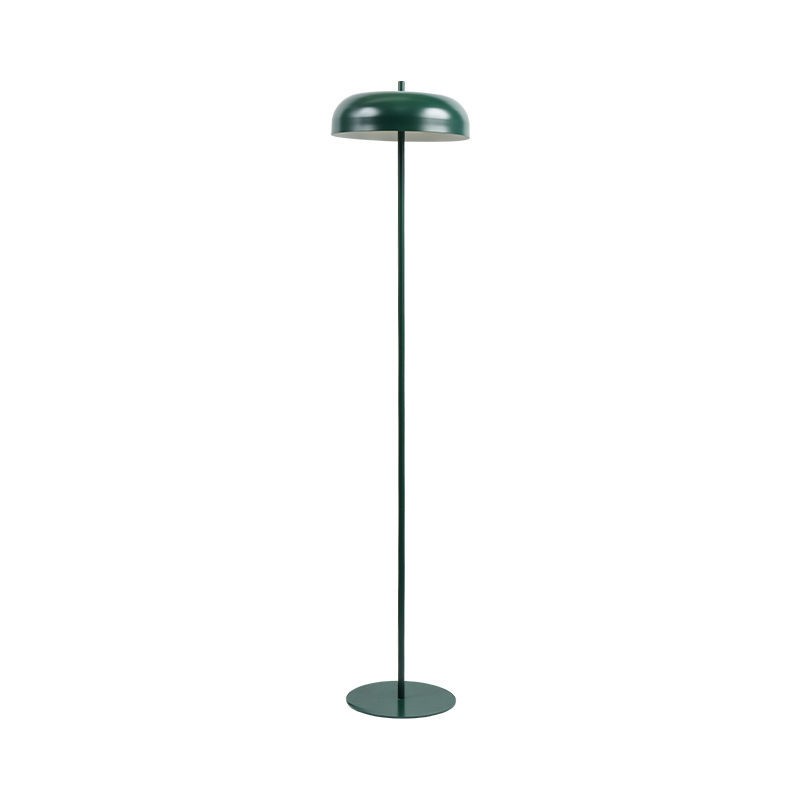
Imagine you are sourcing 2,000 lamps for a boutique hotel renovation, and the specification sheet only says "fluorescent lamp vs incandescent lamp." ...
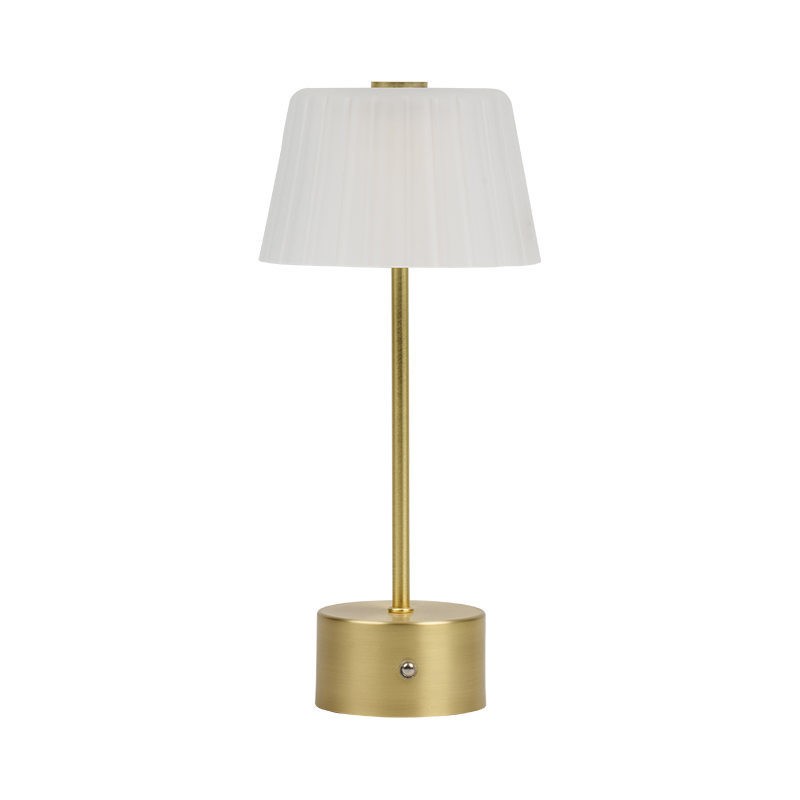
A restaurant operator in Sydney is lighting a courtyard terrace where the contractor never installed outdoor sockets. A hotel buyer needs bedside lam...
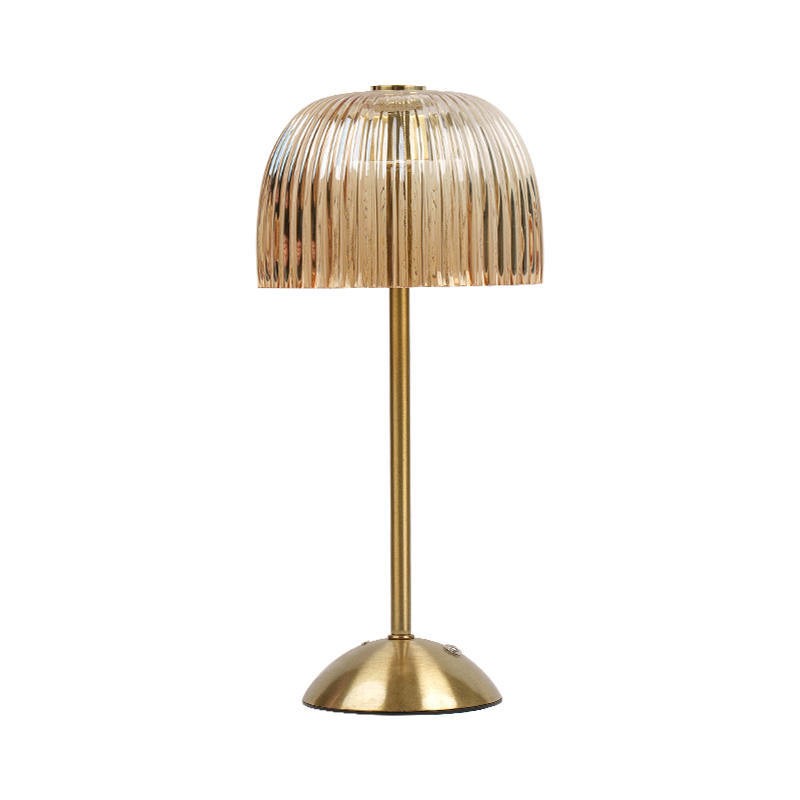
Why Cordless Table Lamps Rechargeable Models Are Gaining Traction in the Contract Lighting Market A cordless table lamp rechargeable design solves a ...
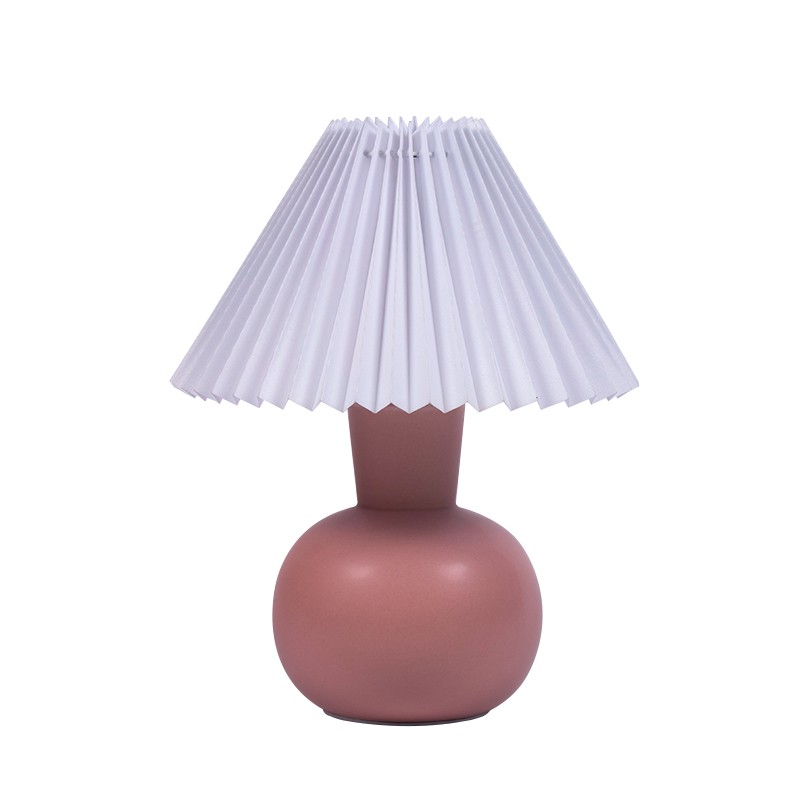
Every buyer who has sourced decorative lighting has met the same mismatch: the catalogue drawing looks right, the finish is approved, and then the sh...

 No.11 Gongji South Road, Linshan Town, Yuyao City, Zhejiang Province, China
Copyright ? Yuyao Baolong Electrical Appliance Co., Ltd. All Rights Reserved. Wholesale Decoration Lamp Manufacturer Decoration Lamp Factory


bla@yybaolong.cn

+86-18868663339
+86-574-62067336