English
 中文简体
 Français
 Español

Travertine Table Lamp Buying Guide: Stone Specs for B2B Wholesale Buyers
Travertine Table Lamp Buying Starts With the Stone Spec A travertine table lamp can look calm and expensive in a showroom, but the purchase decision ...
Content
A travertine table lamp can look calm and expensive in a showroom, but the purchase decision starts in the stone, not the shade. For importers, wholesalers, and private-label brands, two samples from the same supplier can differ in pore fill, vein pattern, color, and weight. A travertine table lamp should therefore be specified with a written stone grade, finish, base dimension, and acceptable color tolerance before price negotiation begins.
Travertine is a sedimentary stone and a form of limestone formed by mineral precipitation. Its natural voids may be filled with cement or resin, and the surface may be honed, polished, brushed, or tumbled. For table lamps, honed or lightly filled bases are common because they retain a natural texture while reducing sharp voids. For B2B buyers, filled density, cut orientation, and surface treatment matter more than the geological label alone.
| Base material | Visual character | Weight and handling | Best-fit program |
|---|---|---|---|
| Travertine | Natural pores, soft veining, mineral texture | Heavy; stable but higher freight cost | Premium hospitality, design retail, natural-luxury ranges |
| Marble | Denser surface, stronger vein contrast | Heavy; similar packing concerns | Upscale bedside and console lamps |
| Ceramic | Controlled glaze and shape, lighter visual weight | Moderate; easier color consistency | Volume wholesale and mixed shade programs |
| Metal | Clean lines, industrial or modern character | Moderate; easy tooling and repeatability | Contract lighting and affordable premium ranges |
For a repeatable travertine table lamp program, define stone grade, fill method, finish, and color tolerance before approving a sample.
Stone weight is useful. A travertine base lowers the center of gravity, so bedside and console lamps resist tipping when touched. But weight becomes freight cost. A 3 kg base may suit retail parcels, while a 6 kg base can raise damage claims and shipping charges. Ask for packed weight, carton dimensions, drop-test data, and felt-pad details.
Light behavior also changes. Opaque stone does not transmit light like glass or thin ceramic, so the design depends more on shade diffusion, upward glow, or a shaded socket. If the lamp needs a soft pool of light, specify a fabric or woven shade with a stable harp and a warm-to-neutral LED. If the lamp must work as a visual object when switched off, stone pattern and shade proportion carry more value than lumen output.
Treat weight and light diffusion as engineering inputs, because they affect freight, stability, shade choice, and retail price.
A sample approval sheet should separate the stone base from the electrical assembly. For the base, record length, width, height, tolerance, weight range, thread insert depth, felt pad type, and finish. For the electrical side, record voltage, plug type, cord length, switch position, socket type, LED color temperature, shade material, and packing method. This prevents a common problem: the sample looks right, but production arrives with a different cord set or a shade that sits 10 mm too low.
Stone base and finish
|
Electrical and shade
|
If the supplier offers OEM or ODM service, ask for a golden sample and a signed specification sheet. For Europe, confirm CE, ERP, and RoHS documentation. For the United States, confirm UL or ETL listing as required. For Australia, confirm RCM and SAA-related compliance. The stone base also needs a secure threaded insert; a shallow insert can crack during final assembly, especially when visible voids sit near the drilling point.
Approve the base and electrical assembly as two separate specification packages, then release production only against a signed golden sample.
Travertine is a natural material, so “same as last order” needs a measured definition. Set acceptable ranges for color, veining, filled holes, and surface gloss. For wholesale orders, inspect the first production run against the approved sample under the same light. Check base edges, thread insert, shade seams, switch action, cord length, plug molding, and carton drop protection.
The cheapest quotation often hides risk in color sorting, packing, or electrical documentation, so compare landed cost and inspection cost before choosing a supplier.
Travertine suits hospitality, residential, and design-led retail programs where texture matters. In a hotel, it works on a lobby console or suite bedside because it feels solid and quiet. In residential use, it fits living rooms, bedrooms, and hallways with warm wood, linen, rattan, or brass. In retail, it supports a natural-luxury story, but the base must photograph consistently because online returns rise when veining differs sharply from the image.
For a manufacturer or supplier building a range, travertine can sit beside ceramic, glass, metal, and natural-material families. The commercial logic is range depth: one stone base shape can carry several shade choices, finish levels, and price bands. A wholesaler can test a premium travertine model beside a lower-cost ceramic model without changing the visual language.
Position travertine as a premium texture option within a broader table lamp range, not as a single stand-alone SKU.
If a travertine program is not yet ready, buyers can review adjacent base materials that solve similar design problems. The product references below are not travertine substitutes by material name; they are useful comparisons for stone-adjacent weight, mineral texture, or natural weaving in a table lamp range. Use them to discuss base proportion, shade pairing, and finish direction with the supplier before requesting a custom sample.
 Nordic Marble-Effect Ceramic Table Lamp with Metal ShadeUseful for buyers comparing stone-adjacent texture and shade pairing; ceramic base is finished to resemble marble and paired with metal.View Product →
 Geometric Ceramic Table Lamp with Linen ShadeGeometric ceramic lamp with linen shade softly diffuses light for reading or leisure and suits Nordic, industrial, and retro pastoral interiors.View Product →
 Handmade Rattan Art Table Lamp with Contrasting ShadeHandwoven rattan base with brown rustic texture contrasts a light fabric shade, softening glare for reading, work, or leisure; OEM/ODM orders available.View Product →
For a B2B buyer, the practical question is whether the factory can control the same critical points across materials: base stability, shade fitting, electrical safety, and carton protection. A supplier with ceramic, metal, glass, and natural-material lines can often support a mixed container or a private-label collection more efficiently than a single-material specialist.
Use adjacent material samples to validate proportion and packing, but keep travertine’s stone specification separate in the final purchase order.
Price for a travertine table lamp is driven by stone yield, fill and finishing labor, shade construction, electrical components, and packing. A quote without those breakdowns is hard to compare. Ask for base-only cost, shade cost, electrical cost, packaging cost, MOQ per finish, sample lead time, production lead time, and carton drop standard.
Compliance should match the market, not the factory’s general claim. A supplier may hold CE, ERP, and RoHS for many products, but the exact SKU still needs a declaration and label review. For US buyers, confirm UL or ETL; for Australia, confirm RCM; for Europe, confirm the correct plug, voltage, and label language. Also ask who owns the tooling for custom stone cuts and whether the fixture can be reused across orders.
A comparable quotation must break out stone, shade, electrical, packing, compliance, and MOQ, or it is only a headline price.
Travertine is easy to live with when the finish is specified correctly. Dust with a soft dry cloth. For fingerprints, use a lightly damp cloth and dry immediately. Avoid acidic cleaners, abrasive pads, and standing water, especially on honed or unfilled surfaces. If the base has a sealer, follow the supplier’s reapplication interval. For hospitality projects, include care instructions in the packaging and train housekeeping to avoid silicone or ammonia sprays on the stone.
Check the felt pad annually. A missing pad can scratch furniture and make the lamp feel unstable. If the lamp has a fabric shade, dust it with a soft brush; if the shade is woven, keep it away from direct moisture. For LED versions, the light source usually lasts longer than the stone finish needs attention, but the driver and switch still require a basic function check at receiving.
Specify a sealed or properly filled finish and simple dry-care instructions to reduce returns from staining, chipping, and furniture scratches.
Is travertine a type of marble?No. Travertine is a form of limestone with natural voids, while marble is metamorphic rock with a denser crystalline structure. For a table lamp base, specify the material by name and confirm fill and finish rather than relying on a generic “stone” description. |
What finish is best for a travertine table lamp base?Honed or brushed finishes usually suit table lamps because they keep a natural surface and hide minor wear. Polished finishes can look more formal but show marks more easily. Filled surfaces are easier to clean, while unfilled surfaces need clearer care warnings. |
How should I approve travertine color consistency?Approve a range under the same light source used for inspection. Ask for production photos from the actual batch, and set limits for contrast, veining, and filled-hole visibility. A single image is not enough for a natural stone order. |
Are travertine table lamps suitable for hotels?Yes, when weight, stability, cord length, switch position, and care instructions match the room layout. For contract use, confirm base fixing, felt pads, shade durability, and replacement-part availability before placing a wholesale order. |
Can a supplier customize the shade and plug?Many table lamp manufacturers offer OEM and ODM service, including shade shape, fabric, finish, plug type, voltage, and packaging. Provide a drawing, target market, and order quantity so the supplier can confirm tooling, MOQ, and compliance requirements. |
For most B2B programs, a honed, filled base with a documented color range and destination-specific electrical set is the safest starting specification.
Review the manufacturer’s table lamp range for base and shade references, then send the stone specification, target market, and order quantity for a quote. A concise RFQ should include a sketch or sample photo, dimensions, finish, voltage, plug, shade material, MOQ, and certification needs.
| Purpose | Link |
|---|---|
| Review table lamp families | Table lamp range |
| Request pricing and samples | Contact the supplier |
A clear RFQ with stone, electrical, packing, and compliance details will produce a more useful quotation than a one-line price request.
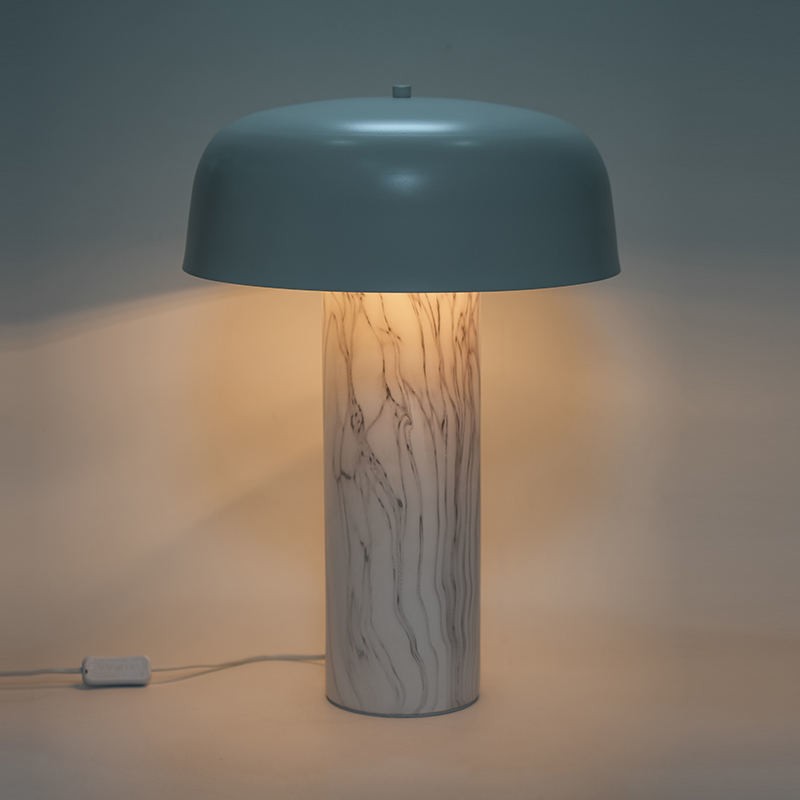
Travertine Table Lamp Buying Starts With the Stone Spec A travertine table lamp can look calm and expensive in a showroom, but the purchase decision ...

Twelve touch lamp samples arrive at a hotel refurbishment office. On the bench they behave exactly as the catalogue promises: one tap for on, a secon...

A buyer in Rotterdam opens a carton of twelve portable rechargeable lamps, switches each one on, and watches three of them fade within twenty minutes...
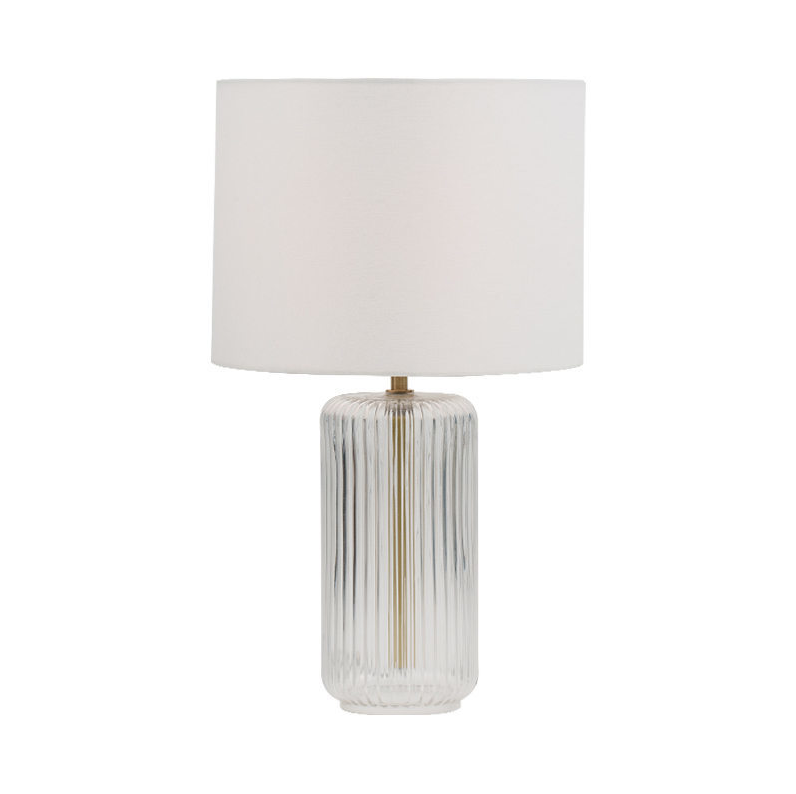
An importer in Rotterdam opens a container of 3,000 bedside lamps and finds 180 cracked glass shades. The bases are fine, the wiring passed inspectio...

 No.11 Gongji South Road, Linshan Town, Yuyao City, Zhejiang Province, China
Copyright ? Yuyao Baolong Electrical Appliance Co., Ltd. All Rights Reserved. Wholesale Decoration Lamp Manufacturer Decoration Lamp Factory


bla@yybaolong.cn

+86-18868663339
+86-574-62067336