English
  中文简体
中文简体  Français
  Español
Lamp Shade Types Explained: A Practical Sourcing Guide for B2B Importers
An importer in Rotterdam opens a container of 3,000 bedside lamps and finds 180 cracked glass shades. The bases are fine, the wiring passed inspectio...
An importer in Rotterdam opens a container of 3,000 bedside lamps and finds 180 cracked glass shades. The bases are fine, the wiring passed inspection, the cartons were undamaged, and the factory shipped exactly what was written on the purchase order. The failure sits in a single line of that order: "clear glass shade, approx. 150 mm." That one line is now a credit note, a rework decision and a delayed retail launch.
This is why shade selection deserves far more attention than it usually gets in a B2B brief. The lamp shade type you choose decides three things at the same time: the quality of light the fixture throws into a room, how the product survives a three to five week sea freight journey, and what the unit really costs once freight, duty and breakage allowance are added to the FOB price.
The short version, before the detail. Six lamp shade types cover almost every volume order placed with an Asian lighting manufacturer: fabric, glass, metal, natural fibre, paper and ceramic or resin composite. Each one sits in a different place on the cost, durability and light-quality triangle, and each one fails in a different way. Choose the material family first, then the shape, then the fitting, then the price. Buyers who reverse that order are the ones who spend the following quarter negotiating credits.
Decide the shade material before the base, the shape or the price. It is the one choice that drives light quality, freight survival and landed cost at the same time.
Content
If you are building a range for a retail chain, a hotel group, a hospitality distributor or an online store, the first technical conversation with a lamp shade supplier usually narrows to six material families. Everything else, from polycarbonate diffusers to laminated printed shades, is either a variant of these six or a specialised accessory.
The table below sets out how each family behaves. The cost column is relative to the other families rather than an absolute price, because a 200 mm pleated cotton shade and a 400 mm mouth-blown glass shade sit in completely different price brackets even within the same family.
| Shade type | Light behaviour | Relative cost | Typical applications | Main sourcing risk |
|---|---|---|---|---|
| Fabric | Soft, even diffusion; hides the bulb and the glare line | Low to medium | Bedside, hospitality, residential living rooms | Shade-to-shade colour variation, sagging, colour fastness |
| Glass | High transmission, crisp edges; clear glass casts hard shadows | Medium | Dining pendants, chandeliers, feature living areas | Transit breakage, wall thickness tolerance, visible seams |
| Metal | Opaque body with directed or patterned output | Low to medium | Reading lamps, industrial and retro ranges, wall lights | Sharp edges, coating adhesion, heat build-up |
| Natural fibre | Warm, dappled light with strong texture and shadow play | Medium to high | Resort, homestay, coastal and Nordic interiors | Moisture, weaver-to-weaver variation, treatment queries |
| Paper and parchment | Very warm, gentle, low-glare output | Low | Japanese-style lamps, decorative and accent pieces | Tearing, humidity distortion, fire-behaviour questions |
| Ceramic, resin, composite | Usually decorative; light is shaped by an inner lining or diffuser | Medium to high | New Chinese, retro and hotel decorative ranges | Weight, breakage, glazing and surface defects |
Two patterns are worth noticing. First, the families that diffuse light most gently, fabric and paper, are also the cheapest and the most fragile in transit terms but the least fragile in impact terms; a fabric shade that is crushed can often be re-formed, whereas a glass shade that is crushed cannot be repaired at all. Second, the families that read as "premium" to an end consumer, glass and natural fibre, are also the ones with the widest quality variance between units, which is precisely where claim conversations start.
For a first bulk order, most B2B buyers hedge by building a mixed range: one or two fabric shade table lamps as the volume driver, a metal or brass-plated shade for the reading and office segment, a small glass or natural fibre group to give the range a premium anchor, and one paper or ceramic accent piece for visual interest on a catalogue page.
Fabric normally carries the volume, glass and natural fibre carry the margin, and metal carries the durability story. Build the range around that division rather than around a single shade type.
The family names above are only the entry point. Within each family there are construction choices that change the light output, the price and the failure mode. This section walks through the six families in the order a buyer usually encounters them, and points out the details worth locking into a specification sheet.
Fabric remains the default choice for bedside and hospitality lamps because it does the one thing hard materials cannot do cheaply: it spreads light evenly across a wide angle and removes the glare line that makes a bare bulb uncomfortable at eye level. The trade-off is that a fabric shade absorbs somewhere between a quarter and just under half of the light that reaches it, depending on the weave density, the lining and the colour. A dark navy linen shade on a 6 W LED lamp will read as substantially dimmer than the same lamp under an off-white cotton shade.
Construction matters more than most buyers expect. An unlined single-layer shade shows a visible glow line at the seam and a bright patch at the top ring. A lined shade, usually with a white PVC or polystyrene inner layer, produces a softer and more uniform wash but traps more heat, which shortens the life of low-cost adhesives in warm climates. Pleated shades are the opposite: the folds break the light into fine vertical bands and give a classic hotel look, but each fold is a stress point during packing, and cheaper pleating machines leave uneven pleat depth that is obvious once the lamp is switched on.
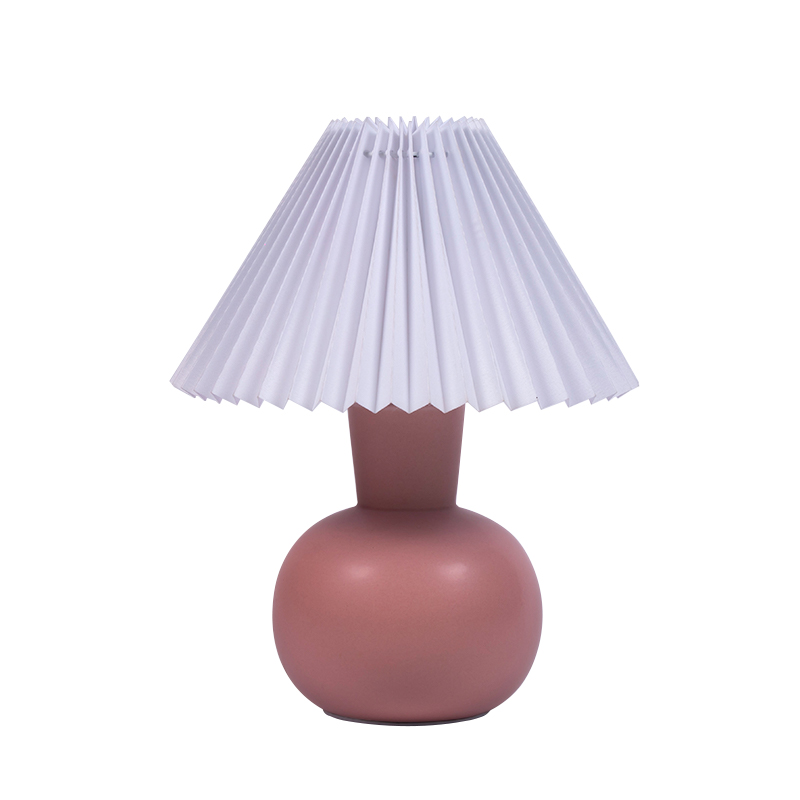 Pleated Lampshade Bedside Table Lamp1. The lampshade of the pleated lampshade bedside table lamp adopts a delicate white cone design, which not only enhances the aesthetic value of the table lamp, but mo...View Product →
For export programmes, ask the supplier for the fabric weight in grams per square metre, the stated light fastness rating, and whether the trim is glued, stitched or heat-sealed. Glued trim is the cheapest and the first thing to lift in a humid warehouse. Also confirm the top diameter, bottom diameter and slant height separately, because a "medium drum shade" means nothing across factories and everything in a carton dimension.
Glass shades are the clearest expression of the shade as a design object. Clear glass transmits almost all of the light but produces hard-edged shadows and makes the bulb itself part of the design, which only works if the bulb is attractive. Frosted or acid-etched glass softens the output considerably and hides the lamp bead, which is why it dominates dining pendants in European catalogues. Seeded glass, with its deliberate bubbles, sits between the two and photographs extremely well, but the bubble pattern is never identical from unit to unit and that inconsistency needs to be agreed in writing before production.
The technical conversation around glass shades is mostly about thickness and thermal shock. A 3 mm pressed shade is adequate for a low-wattage LED but will not survive a thermal shock test or a careless hand in a cold room. Wall thickness tolerance also controls how the shade sits on the holder: a 1 mm difference across a batch is enough to produce a visible wobble on a pendant. Rim polishing, seam placement and the position of any drilled hole should all be on the drawing, not agreed verbally.
Metal shades are the workhorses of the reading, office and industrial segments. Because the body is opaque, all of the light goes where it is aimed, which is exactly what a task lamp needs. A spun steel dome with an off-white interior coating can deliver a surprisingly comfortable reading light, while a perforated or cage design turns the shade itself into a light pattern on the wall.
The failure modes are mechanical rather than optical. Sharp rolled edges cause handling injuries and failed drop tests; powder coating that has not been correctly cured will chip at the mounting point within weeks; and a tightly fitting metal shade over a warm bulb will raise the temperature of the holder more than a fabric shade would. Ask for the coating thickness, the salt spray hours the finish has been tested to, and confirmation that all edges are deburred and rolled. If the shade is part of a metal-bodied lamp, ask how the earth continuity is maintained through the assembly, because that is a safety issue rather than a cosmetic one.
Natural fibre is the fastest-growing shade category in hospitality and homestay projects, largely because woven texture photographs beautifully and signals a relaxed, regional aesthetic. Rattan, bamboo strip, hemp rope, seagrass and paper rope are all woven over a metal or wooden frame, and the weaving is done by hand. That single fact explains almost every commercial risk in this category.
Hand weaving produces natural variation in spacing, tightness and colour. Some variation is the point of the product; too much variation is a rejection. The practical solution is to approve a master sample, photograph it under consistent lighting, and include that photograph as an annex to the purchase order with a stated tolerance for weave density and tone. Moisture content is the second issue: fibre that is packed too damp can develop mould during a long sea voyage, and fibre that is too dry becomes brittle and cracks at the frame. Ask what the incoming moisture target is and how the goods are dried before packing. Fumigation and treatment enquiries are also common from Australian and US buyers, so a clear written answer, plus any treatment certificates, saves weeks at the port.
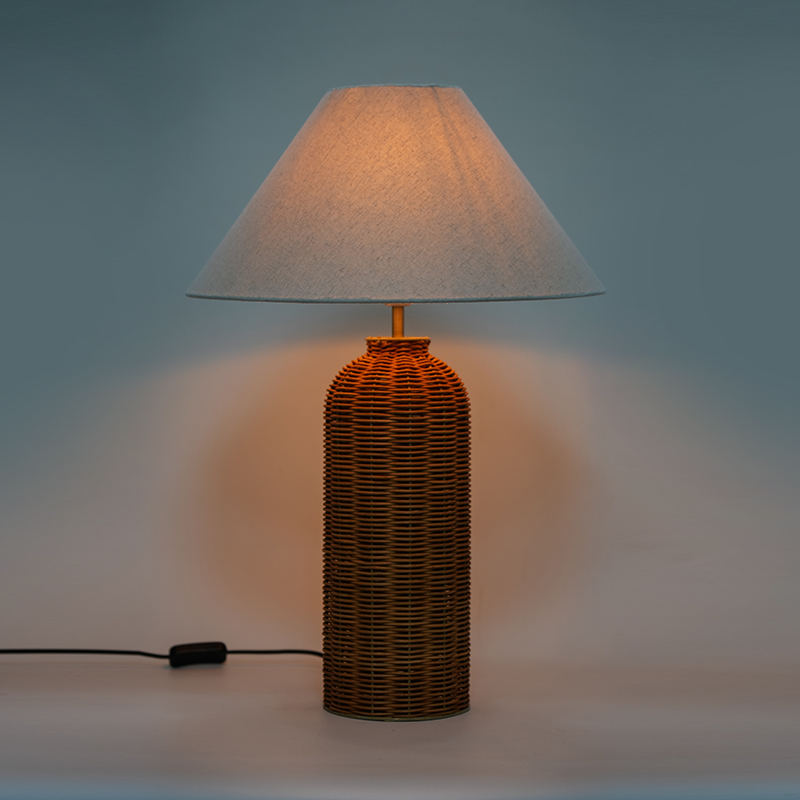 Hand-Woven Rattan Table Lamp1. The rattan hand-woven table lamp adopts a modern and simple style, combining brown woven materials with a white round lampshade, forming a sharp visual contrast and...View Product →
Paper shades occupy a specific and valuable niche. A pleated paper or washi-style shade produces the warmest, gentlest light of any material on this list, and it does so at the lowest material cost. The construction is usually a folded or pleated sheet wrapped around a wire frame, sometimes with a parchment or laminated inner layer for rigidity.
The weaknesses are obvious and manageable. Paper tears; paper distorts in humid air; and paper burns, which is why fire-behaviour questions arrive quickly from European and North American buyers. Untreated decorative paper shades are rarely suitable for high-wattage conventional bulbs, and the specification should state clearly that the product is intended for LED sources within a given wattage. For transit, paper shades need individual wrapping and a rigid insert in the carton, because a stack of paper shades under its own weight will flatten at the bottom of a pallet.
Fully ceramic shades exist but are relatively rare, because ceramic is heavy and brittle at the thin wall thicknesses a shade requires. Where ceramic and resin appear most often is as a combined shade and base design, particularly in the new Chinese, retro and hotel decorative ranges where a ceramic jar, a rough textured body or a moulded resin form is topped by a fabric or metal shade. The visual weight of ceramic is a genuine selling point in hospitality interiors; the freight weight is not.
When a composite body is combined with a shade, the specification needs to cover the whole assembly. Ask for the total unit weight, the balance point, the drop-test result for the packed unit, and how the glaze or coating behaves at the transition line where the holder meets the body. Crazing, pinholes and colour drift between kiln batches are the classic ceramic complaints, and they are normally resolved by agreeing an acceptable range rather than by demanding perfection.
Within every family, the differences that cause claims are construction details, not material names. Specify weave, lining, thickness, trim method and moisture content in writing before the sample is approved.
Material decides how the light behaves; shape decides where it goes and how the lamp reads in a room. Buyers who cannot name the shape they want tend to receive whatever the factory has on the shelf, which is rarely the fastest route to a differentiated range. The seven shapes below cover the great majority of commercial production.
Straight-sided cylinder, equal top and bottom diameter. The most neutral choice: wide, even light, modern look, and the easiest shape to pack.
Tapered with a smaller top than bottom and a slight outward curve. Classic hospitality profile, throws light down and slightly out.
Wider flare at the base with a rounded shoulder. Softens downward light and is common on traditional table lamps.
Steeply angled cone, wide at the bottom, narrow at the top. Directs light sharply downward; a good fit for pendant and task lamps.
Four-sided panel construction. Designed for linear fixtures, console lamps and bedside lamps set against a wall.
Fully round. Emits light in every direction, so it is best used as a feature or ambient source rather than a reading light.
The plain cone without a curve. Cheapest to produce in fabric and glass, and the standard shape for replacement shades.
Three proportions do most of the work in practice. The bottom diameter controls how much light escapes downward and how large the lamp reads in a room. The slant height controls how much of the bulb is concealed; too short a slant and the lamp bead is visible from a normal seated eye level. The top diameter controls the glow at the top of the shade, which is a design decision rather than a technical one. A useful rule of thumb for table lamps is that the shade's bottom diameter should be roughly one and a half to two times the diameter of the base, and the shade's overall height should be about two thirds of the distance from the table surface to the bottom of the shade ring.
For a replacement shade programme, always quote the top diameter, bottom diameter, slant height and the fitting type. Buyers who send only a photograph should expect a sample that fits loosely or not at all, because a photograph carries no scale.
Name the shape, then give four numbers: top diameter, bottom diameter, slant height and fitter size. Those four numbers prevent more problems than any drawing.
Sourcing decisions almost never hinge on a single variable, and shade selection is a good example of that. A buyer weighing glass against fabric is not asking which material is better in the abstract; they are asking which one best balances light quality, freight survival, unit cost and compliance workload for their specific market and price point. Those four dimensions pull in different directions, and a range built around only one of them tends to fail later in the cycle, usually after the container has shipped. The chart below converts the four dimensions into a single composite index so that the trade-offs are visible at a glance. It is an illustrative benchmark drawn from the patterns that repeat across B2B shade briefs rather than a laboratory measurement, and it should be used as a starting point for your own weighting rather than as a fixed score.
Composite sourcing score by lamp shade type (index out of 100)
Metal leads the composite ranking largely because it scores well on dimensions that matter to volume buyers rather than to designers. A spun or pressed metal shade holds its shape through a long sea voyage, resists humidity, tolerates a wide range of pack densities, and can be produced to a tight dimensional tolerance without adding much cost. Its weakness is optical: because the body is opaque, the light distribution is decided entirely by the shape and the interior coating, so a poorly aimed metal shade produces a hotspot on a wall rather than an even wash. Metal also carries the highest temperature at the holder, which means the lamp holder specification has to be chosen with care when the fixture runs at higher wattages.
Fabric sits close behind, and its score is more sensitive to how the specification is written than any other material on the list. A correctly specified fabric shade with a defined weight, a stated light fastness rating and a stitched rather than glued trim will outperform most alternatives on the combination of light quality and cost. The same shade specified loosely, with no fabric weight and no lining requirement, becomes the most variable item in the shipment. In other words, fabric's position on this chart is earned or lost at the sampling stage, not at the factory.
Natural fibre ranks third, and the ranking hides a wide spread. A tightly woven rattan shade produced by a single workshop with a master sample to work against can score much higher than the index suggests, while an unbranded mixed-lot purchase from several weaving households can score far lower. The variance between units, not the average quality, is what determines whether a container is accepted. Buyers who invest in one approved master sample and photograph it under controlled lighting almost always see the fibre score rise on the next order.
Glass comes fourth, which surprises buyers who assume the most expensive material must be the best. Glass loses points on exactly two dimensions: transit survival and tolerance control. Breakage in a mixed container is the single most common claim in this category, and the fix is packaging rather than material. Individually boxed shades with a shaped EPE or foam insert, packed on a layer-by-layer basis rather than loose in a polybag, will move a glass programme several points up this chart at a cost that is usually smaller than a single credit note. Wall thickness tolerance and rim finishing then determine whether the replacement rate settles after the first order or continues indefinitely.
Ceramic and resin composites sit in the lower middle of the index, and their position is driven almost entirely by weight. Weight raises freight cost, raises the breakage consequence when a carton is dropped, and raises the drop-test standard the packaging must meet. That does not make ceramic a poor choice, because it delivers a visual and tactile weight that no other material matches, and in hospitality interiors that is often exactly what the client is paying for. It simply means ceramic and composite ranges should be planned with realistic freight assumptions from the start rather than treated as a cheaper equivalent of glass.
Paper ranks last on the composite score, and this is the number buyers most often misread. Paper shades are not low quality; they are highly specialised. Their light quality, judged purely on warmth and gentleness, is arguably the best in the entire table. What pulls the score down is everything around the shade: vulnerability in transit, sensitivity to humidity, and the extra documentation that fire-behaviour questions generate in regulated markets. Handled as a controlled niche product with individual wrapping and a clearly stated LED-only wattage limit, a paper shade line can be both profitable and trouble-free. Handled as a commodity, it will generate more service emails per unit than any other shade type on this list.
The practical lesson from the chart is that composite scores should not be read as a ranking of quality. They are a ranking of fit for a mixed-container, multi-market programme with average handling. A buyer shipping directly to a single hotel project with dedicated packaging will see a completely different order, and a buyer building a low-price volume range for an online channel will see another one again. Weight the four dimensions for your own business, recalculate, and the right answer will usually be a mixed range rather than a single winner.
No shade type wins on every dimension. Use the composite view to pick a mixed range for your own handling, freight and market conditions, not to crown a single material.
The same material behaves differently depending on the fixture it sits on, because the height of the light source, the direction of view and the expected mounting height all change. A fabric shade that is ideal on a bedside table lamp is often the wrong answer for a chandelier, where the viewer looks up into the open top of the shade and sees the bulb holder directly.
| Fixture | Preferred shade types | Indicative shade size | Notes for the specification |
|---|---|---|---|
| Table and bedside lamp | Fabric, metal, ceramic composite | 200 to 400 mm bottom diameter | Bottom diameter roughly 1.5 to 2 times the base diameter; check the sightline from a seated position |
| Floor lamp | Fabric, natural fibre, metal cage | 300 to 550 mm bottom diameter | Weight matters for stability; a heavy shade on a slim base raises tip-over risk |
| Chandelier and pendant | Glass, metal, natural fibre, paper | Depends on pendant spacing | Light is viewed from below and the side; seam placement and internal wiring visibility matter |
| Wall light | Metal, glass, fabric half-shades | 150 to 300 mm projection | Projection from the wall and the wash pattern on plaster are the key checks |
| Reading and task lamp | Metal, opal glass, dense fabric | Matched to arm length | Cut-off angle should prevent direct glare into the user's eyes at working height |
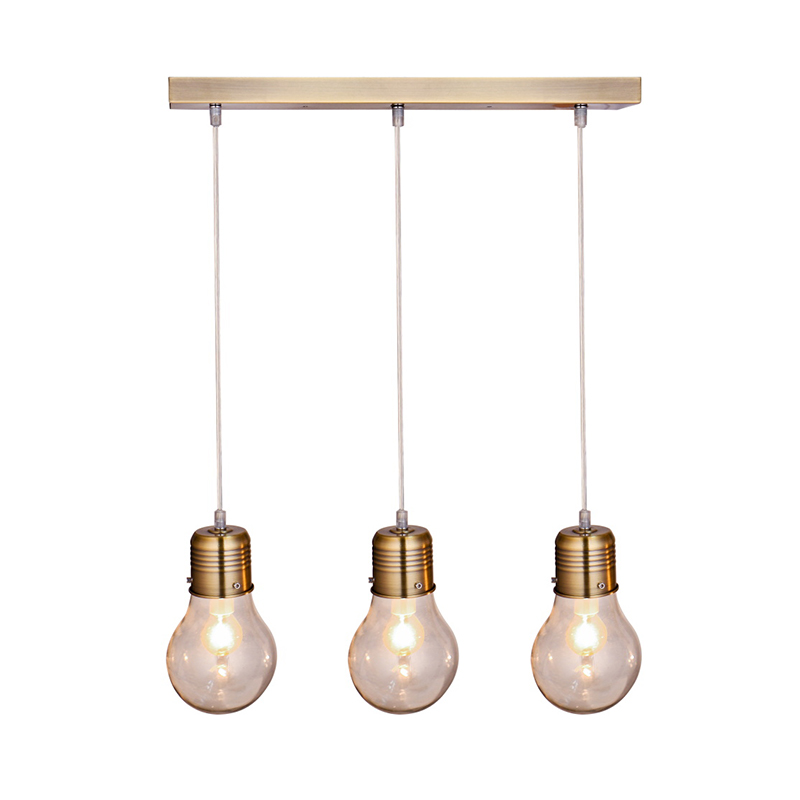 Three-Head Glass Chandelier for Dining Room and Living Room DecorationThe overall design of the three-head chandelier for dining and living room decoration is modern and elegant. It consists of a rectangular metal bracket and three hangi...View Product →
Chandeliers deserve a special note. Because the shade is above the viewer's eye line, the underside of the shade becomes the visible surface, and any roughness in the rim, any untrimmed fabric edge or any visible fixing screw will be noticed immediately. For glass chandeliers, the internal wiring route and the neatness of the connections become part of the product rather than a hidden detail. For multi-arm chandeliers, shade-to-shade consistency across the arms is more important than the absolute dimensions of any single shade, because the eye compares them side by side.
Floor lamps introduce a structural question. A large fabric or natural fibre shade on a slim metal column raises the centre of gravity, and a light tap can tip the whole fixture. Buyers shipping into markets with strict stability expectations should ask for the tip-over test result of the assembled lamp, not just the shade.
Judge a shade from the angle the user will actually see it from. Chandelier shades are viewed from below, wall light shades from the side, and table lamp shades from above.
Even a perfectly made shade will fail if it does not attach to the lamp. Fitting errors account for a large share of first-order problems, and they are almost entirely avoidable because the standard hardware is well defined and inexpensive. There are four attachment systems you will meet in commercial production, plus the lamp holder standards that sit underneath them.
| Fitting type | How it works | Key dimensions | Typical use |
|---|---|---|---|
| Spider / washer fitter | A ring at the top of the shade sits under the lamp holder and is secured by a finial | Ring inner diameter, often 42 to 45 mm | Table lamps, floor lamps, larger fabric shades |
| Uno fitter | The shade screws directly onto the lamp holder thread, integral with the shade | Thread type and shade height relative to the socket | Compact table lamps, reading lamps, wall lights |
| Harp and finial | A wire harp supports the shade; the finial locks it in place | Harp height determines the shade's vertical position | Traditional table lamps with fabric shades |
| Clip-on | Spring clips grip the bulb or a small socket ring | Clip opening and clamp force | Small accent shades, chandelier shades, retrofit |
Put this in writing
|
Do not leave this open
|
Lamp holder standards vary by market, and the shade must be designed around them. E27 and E14 are standard in Europe and much of Asia; E26 and E12 are the North American equivalents; GU10 and integrated LED modules appear in many modern ranges. The practical consequence for a shade programme is that the same visual design often needs two fitting variants, one for each market. Building both from the same tooling is usually possible if the decision is taken before the frame is welded, and expensive if it is taken afterwards.
One further detail worth writing into the spec is the shade's position on the lamp after fitting. A harp that is 5 mm too tall will lift the shade and expose the bulb, and a shade that sits too low can foul the switch. Both are trivial to correct at the sample stage and awkward to correct on 5,000 units.
Confirm the fitting type and the ring diameter in writing, and build one shade design in two fitting variants if you sell into both the EU and North America.
Shades themselves are rarely the regulated component; the complete luminaire is. But the shade choice determines how easily the complete product passes, particularly on fire behaviour, heat management and packaging waste. A responsible manufacturer will state clearly which standards a product has been tested against and provide the corresponding documentation with the shipment.
| Market | Common requirements | Shade-related implications |
|---|---|---|
| European Union | CE marking, Low Voltage Directive, EMC, RoHS, ERP, REACH, WEEE | Material declarations for fabric, coatings and fibre treatments; packaging waste compliance |
| United States | Listing of the complete luminaire, FCC requirements for LED drivers, state-level chemical rules | Heat rise testing at the shade interface; cord, switch and holder ratings |
| Australia and New Zealand | Electrical safety approval and RCM marking for the complete product | Stability and tip-over checks on floor lamps; moisture and treatment questions on natural fibre |
The company behind this article states that its products are produced to international quality standards and that many of its items carry CE, ERP and RoHS certification, with factory and certificate pages available for buyers who want to review documentation. For a shade programme, the documents worth requesting before the order are the applicable test reports for the complete luminaire, the RoHS or material declaration for any coating or plated finish, and a written statement on the intended light source and maximum wattage.
Packaging is treated as a commercial issue in most factories and as a compliance issue in Europe. If you sell into Germany or France, the carton weight and the proportion of recyclable material matter, and a shade that is over-packaged to survive transit may create a different problem at the other end. The pragmatic approach is to agree a drop-test standard, design the packaging to meet it with the least material, and record the result. That single test usually pays for itself the first time a mixed pallet is handled badly at a transshipment port.
Agree the drop-test standard and the packaging method at the same time as the shade specification. Packaging is a cost line and a compliance line at once.
Most first-order problems trace back to a brief that was one page too short. The checklist below is the one worth sending to any lamp shade manufacturer, wholesaler or OEM supplier before tooling starts. It also works as an internal review document for your own product team.
Two items on that list cause more disputes than the rest. The first is colour, because a swatch viewed under office lighting and a finished shade viewed under a warehouse skylight will never look identical; agreeing a measured value or a sealed master sample removes the argument. The second is the definition of a defect, particularly for hand-made goods. A woven shade with visible variation is not defective, but a woven shade with a broken strand is. Writing that distinction down before production is far easier than arguing it after inspection.
For buyers working with a supplier that offers both OEM and ODM services, it is also worth clarifying which parts of the design are fixed and which can be adapted. Shade diameter, fitting type, colour and packaging are usually straightforward to modify within existing tooling; a completely new shape or a new weave pattern usually requires new tooling and a longer lead time.
Send the checklist before the sample, not after the inspection. Colour reference and defect definition are the two items that most often decide whether an order closes cleanly.
Care instructions are a small part of the specification and a large part of the after-sales conversation. If you sell into hospitality or rental channels, the shade will be cleaned regularly by staff who have not read the manual, so the instructions need to be short enough to fit on a card.
| Shade type | Routine cleaning | Avoid | Typical replacement trigger |
|---|---|---|---|
| Fabric | Soft brush or vacuum on the lowest setting, working downward | Water, solvent cleaners, soaking the trim | Permanent staining or lifting trim |
| Glass | Dry microfibre cloth, or a mild glass cleaner on the outside only | Abrasive pads, sudden temperature change | Chips or cracks at the rim |
| Metal | Dry cloth; a barely damp cloth on coated finishes | Acidic or ammonia-based cleaners, scouring pads | Coating failure or rust at the edge |
| Natural fibre | Dry soft brush; vacuum at low power with a brush head | Wet wiping, prolonged direct sun, damp rooms | Broken strands or mould |
| Paper and parchment | Dry brush only, held upside down so dust falls out | Any liquid, direct handling of creased areas | Tears or humidity distortion |
| Ceramic and composite | Dry or barely damp cloth | Immersion, harsh detergents | Glaze crazing or impact damage |
Where replacement shades are sold separately, quote the four dimensions and the fitting type on the product page, and say clearly which lamp models the shade fits. Replacement shade ranges are a useful source of repeat revenue for wholesalers and online sellers, and the customers who order them are usually the ones who already own the lamp, which shortens the buying decision considerably.
Keep care guidance to three short lines per shade type and always publish the four shade dimensions, because that is what replacement buyers search for.
If you want to see how these material families look when they are built into finished products, the two short cuts below are the most useful starting points. One shows the table lamp range where fabric, ceramic, glass and metal shades are already developed; the other opens a direct line for OEM and ODM briefs, custom shade dimensions and private-label programmes.
See the shades in productionBrowse our table lamp collection to compare fabric, glass, metal and ceramic shades side by side, with the dimensions and fittings already documented. |
Start a custom programmeWorking from a drawing or a reference sample? Send us your shade brief and we will come back with tooling questions, sample timing and a realistic quotation. |
These are the questions that come up most often from importers, wholesalers and private-label brands during the first technical exchange.
Which lamp shade types are best for a first bulk order?Start with fabric and metal. Fabric covers the volume bedside and hospitality segment and is forgiving of handling, while metal covers the reading and task segment and holds its shape through long transit. Add a small glass or natural fibre group once you have agreed packaging and a master sample, because both of those families have wider unit-to-unit variation and need a stronger specification before they scale. |
How do I specify a lamp shade type so the factory can quote accurately?Give the material family, the shape name, the top diameter, bottom diameter and slant height in millimetres, the fitting type and ring diameter, the lamp holder standard, the maximum wattage and the packaging method. Add a colour swatch and a stated tolerance for anything hand-made. With those items on paper, quotations become comparable across suppliers instead of being a mix of different assumptions. |
Is glass more expensive than fabric for the same shade size?Usually yes, and the difference grows as the shade gets larger, because glass cost scales with volume and thickness while fabric cost scales mainly with surface area. The breakage allowance is the bigger hidden cost. A fabric shade that is squashed can often be re-formed and sold; a broken glass shade is a total loss plus the labour involved in unpacking and repacking the carton. |
Can one shade design be sold in both Europe and North America?Yes, and it usually should be. The visual design can stay identical while the fitting changes: E27 and E14 for Europe and much of Asia, E26 and E12 for North America. Build the two variants from the same tooling and the difference is limited to the holder, the harp height and the label. Decide this before the shade frame is welded, because retrofitting a different fitting afterwards costs far more than planning for it. |
How much light does a fabric shade actually block?Depending on the weave density, the lining and the colour, a fabric shade typically absorbs somewhere between a quarter and just under half of the light reaching it. Dark colours and dense linings block more; light colours and open weaves block less. If a lamp is specified as a 6 W LED and the client expects a bright reading light, the shade choice can quietly reduce the perceived output by a noticeable margin, so the lumen figure should always be quoted for the complete assembled lamp rather than for the light source alone. |
Are natural fibre and paper shades suitable for hotels and rental properties?They are, with two conditions. First, the product should be LED-only within a stated wattage, and that limit should be printed on the label and repeated in the care card. Second, the cleaning instructions must be short and practical, because housekeeping staff will wipe whatever they can reach. Natural fibre and paper shades work well in lobbies, restaurants and low-touch decorative positions, and less well in bathrooms or anywhere with high humidity and frequent handling. |
What is the most common cause of shade claims on a first order?Roughly in order: packaging that was never drop-tested, dimensions that were agreed as "approximately", colour that was described only by name, and fittings that were assumed rather than confirmed. None of these are material problems. All four are specification problems, and all four are cheap to fix before production and expensive to fix afterwards. |
Shade selection rewards buyers who slow down at the beginning. Naming the material family, then the shape, then the fitting, then the packaging turns a vague brief into a document a factory can build against, and it turns a shipment into a repeat order rather than a claim. The six families described here will cover the great majority of decorative lighting programmes, and the differences between a good and a poor order usually sit in details that cost almost nothing to specify and a great deal to correct.
If you are developing a range this season, the most useful next step is not a price list but a drawing: shade diameter, slant height, fitting, lamp holder and a colour reference. Send that with your target quantity and destination market, and any experienced manufacturer will be able to tell you within a few days whether the design is straightforward, needs adjustment, or needs new tooling.
The brief that prevents the claim is short: material family, shape, four dimensions, fitting, max wattage, packaging and a colour reference. Everything else can be negotiated later.
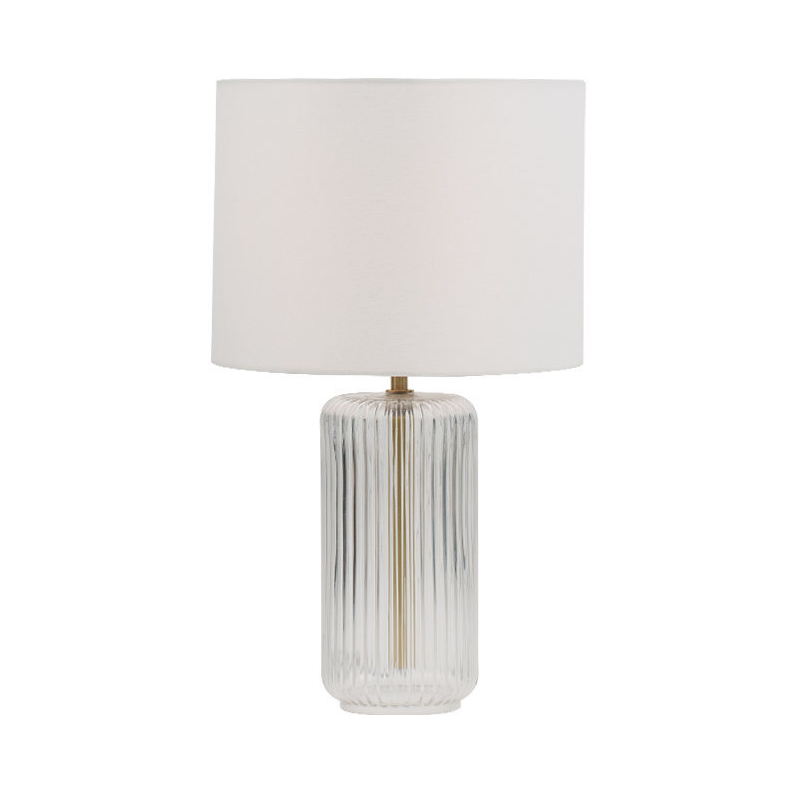
An importer in Rotterdam opens a container of 3,000 bedside lamps and finds 180 cracked glass shades. The bases are fine, the wiring passed inspectio...
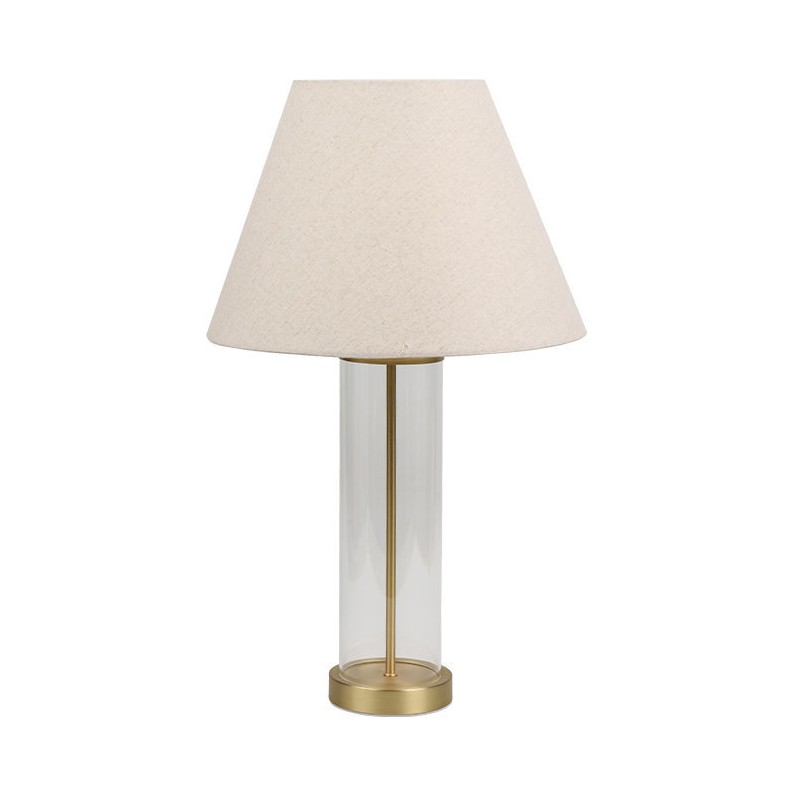
Two containers of the same decorative table lamp leave the same factory, and only the socket label changes: E27 for a German importer, E26 for a US w...
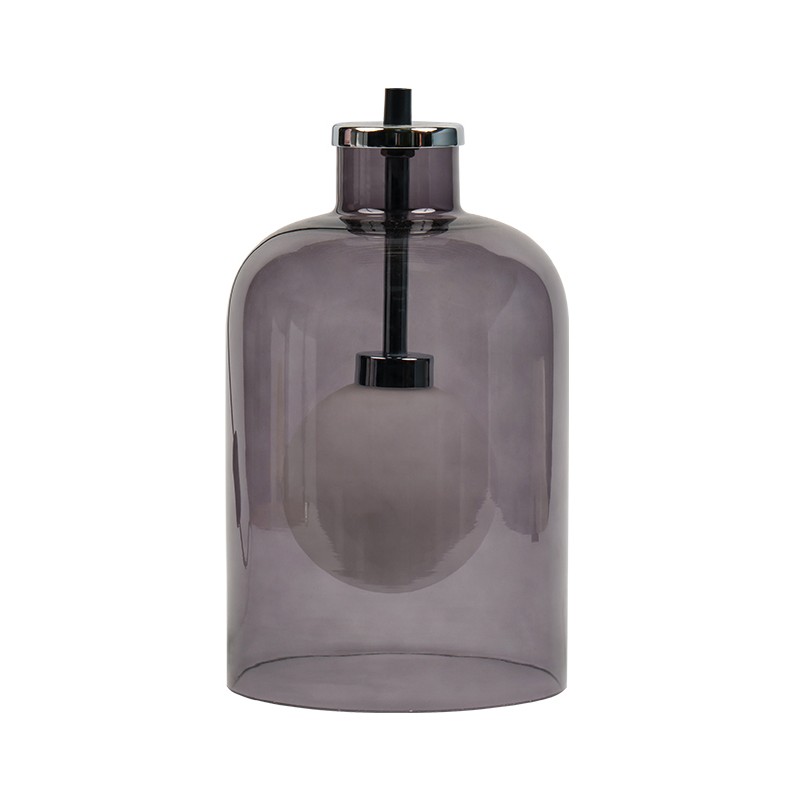
If a replacement lampshade arrives and will not sit straight, will not clear the bulb, or leans to one side, the fault is almost never the shade. It ...
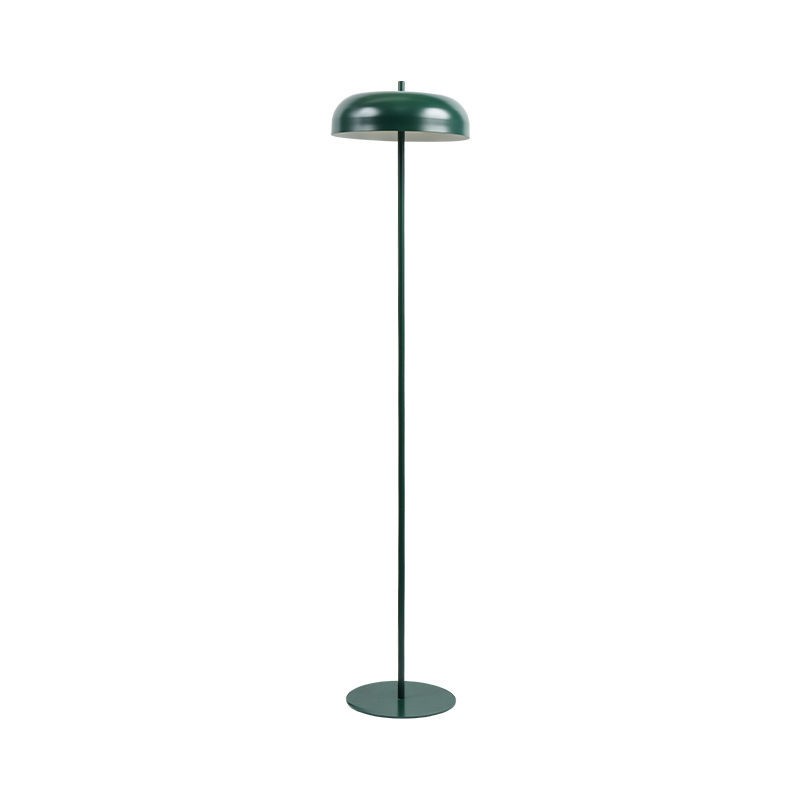
Imagine you are sourcing 2,000 lamps for a boutique hotel renovation, and the specification sheet only says "fluorescent lamp vs incandescent lamp." ...
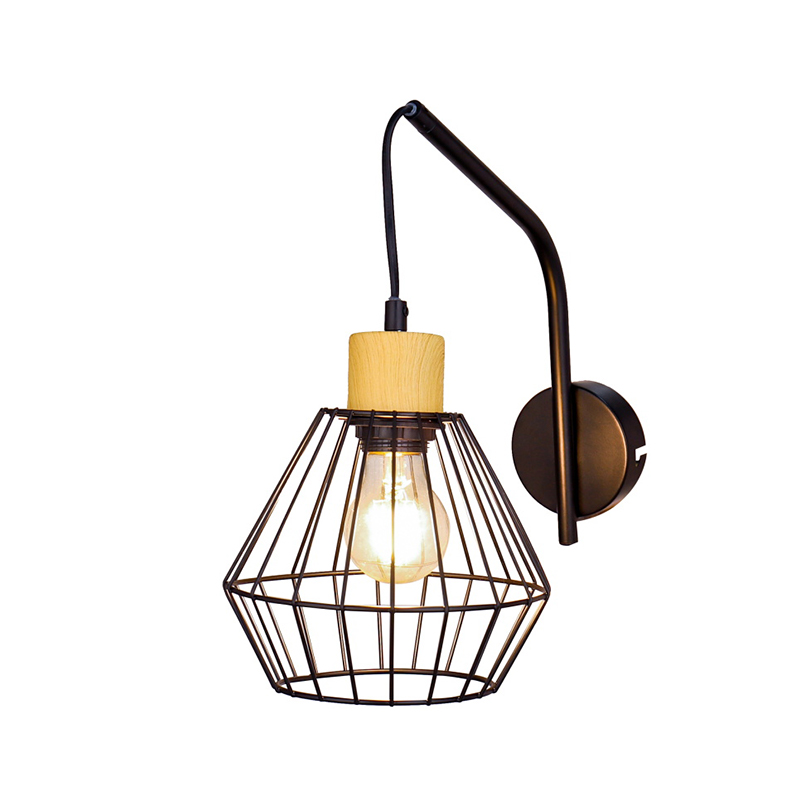

 No.11 Gongji South Road, Linshan Town, Yuyao City, Zhejiang Province, China
Copyright ? Yuyao Baolong Electrical Appliance Co., Ltd. All Rights Reserved. Wholesale Decoration Lamp Manufacturer Decoration Lamp Factory


bla@yybaolong.cn

+86-18868663339
+86-574-62067336