English
  中文简体
中文简体  Français
  Español
Fluorescent Lamp vs Incandescent Lamp: Efficiency, Cost, and Best Uses
Imagine you are sourcing 2,000 lamps for a boutique hotel renovation, and the specification sheet only says "fluorescent lamp vs incandescent lamp." ...
Imagine you are sourcing 2,000 lamps for a boutique hotel renovation, and the specification sheet only says "fluorescent lamp vs incandescent lamp." The first question is not which one looks better; it is which one will still be working after two years of daily use and which one will not double the electricity bill. For most commercial and residential projects, fluorescent lighting wins on efficiency and lifespan, while incandescent lighting wins on warmth, dimming, and simplicity. The gap has narrowed because modern LED lamps combine both sets of strengths, and importers and wholesalers have shifted purchasing budgets accordingly. This article compares the two older technologies in detail and explains how to make a practical sourcing decision.
The short answer is this: choose fluorescent when you need low running costs and long service life for continuous general lighting; choose incandescent when you need a fully dimmable, warm, high-color-rendering light in a decorative fixture; and evaluate LED before you commit to either technology in bulk.
Content
When a buyer asks for a fluorescent lamp vs incandescent lamp comparison, the first thing to clarify is whether they are comparing compact fluorescent lamps (CFLs) or linear fluorescent tubes with traditional incandescent bulbs. The table below gives a quick overview of the performance data that matters in a wholesale purchasing decision.
| Criterion | Fluorescent | Incandescent | Practical impact |
|---|---|---|---|
| Typical efficacy | 60–80 lm/W | 10–18 lm/W | Fluorescent reduces lighting electricity use by roughly 60–75%. |
| Typical lifespan | 6,000–15,000 hours | 750–2,000 hours | Incandescent needs more frequent replacement in daily-use areas. |
| Warm-up time | Bright after 30 seconds to 3 minutes | Instant full brightness | Fluorescent can feel slow in corridors, restrooms, or motion-activated areas. |
| Dimmability | Limited unless ballast and lamp are compatible | Smooth dimming with standard dimmers | Bedroom and dining fixtures usually prefer dimming. |
| Color rendering (CRI) | CFL typically 60–85 CRI | 95–100 CRI | Incandescent shows skin tones, fabrics, and wood grain more naturally. |
| Mercury content | Yes, small amount | No mercury | Fluorescent requires spill cleanup and certified recycling. |
| Operating heat | Low | High | Incandescent adds load to air conditioning in warm climates. |
| Purchase price | Higher in some markets | Usually lower | Running-cost savings usually outweigh the initial price difference. |
For a purchasing manager, the comparison is not only about the bulb itself, but about the fixture design, the control system, the maintenance schedule, and the end user's expectations. A decorative table lamp with a dimmer, for example, may be better served by incandescent or a modern LED equivalent than by a fluorescent lamp that flickers at low levels.
Understanding the physics explains why their costs diverge so quickly. Incandescent light is blackbody radiation: a tungsten filament is heated until it glows, producing a continuous warm spectrum that is very similar to natural sunset light. Fluorescent light is produced by a low-pressure mercury vapor discharge: the discharge emits ultraviolet radiation, and a phosphor coating on the glass converts that UV into visible light.
A standard incandescent bulb contains a thin tungsten filament inside a glass envelope filled with inert gas. When electricity passes through the filament, resistance heats it to roughly 2,700°C, and it emits light across the visible spectrum. The process is simple, cheap, and easy to dim, but it is also extremely inefficient. Most of the energy is emitted as heat rather than visible light, which is why incandescent lamps have high wattage, high heat output, and short lifespan compared with other technologies.
A fluorescent lamp uses a sealed glass tube containing argon gas and a small amount of mercury. The electrical discharge excites the mercury vapor, which produces ultraviolet photons. Those photons hit the phosphor coating on the inside of the tube, and the phosphor re-emits the energy as visible light. Because this process does not rely on heating a filament, fluorescent lamps run much cooler and convert electricity into light far more efficiently.
Energy efficiency is usually the first specification a procurement manager checks. The metric that matters is luminous efficacy: how many lumens a lamp produces per watt of electricity it consumes. An old incandescent lamp typically converts only 5–10 percent of its energy into visible light, while the rest leaves the bulb as heat. A fluorescent lamp uses a gas discharge and phosphor coating to create roughly three to five times more visible light for the same input. The horizontal bar chart below shows typical luminous efficacy values for common lamp families.
At 15 lm/W, an incandescent lamp sits at the bottom of the efficiency range. A CFL at roughly 60 lm/W produces four times as much light per watt. A linear fluorescent tube reaches about 80 lm/W, which is why it remains common in commercial ceiling systems. An LED lamp at around 100 lm/W is better still, and that is why LED has become the default choice for new projects. If a standard 60W incandescent lamp is used eight hours a day, it consumes about 14 kWh per month; a 13W compact fluorescent uses about 3 kWh, and a 9W LED uses about 2 kWh. For a wholesaler buying for a fifty-room hotel, that difference changes the customer's payback calculation. In cooling-dominated buildings, incandescent adds unwanted heat, forcing air conditioning to work harder. In heating-dominated regions, the heat is not completely wasted, but a lamp is a poor substitute for a heating system. Energy regulations in many export markets have restricted general-purpose incandescent lamps, so a buyer who keeps incandescent in the catalog must confirm local compliance. This means the chart should be read as a cost signal, not just a technical curiosity. Overall, the efficiency gap is large enough to drive a purchasing decision even before maintenance is considered.
The running-cost table below applies those figures to a realistic order quantity.
| Lamp type | Typical wattage for 800 lumens | Annual kWh for 100 lamps | Annual cost |
|---|---|---|---|
| Incandescent | 60 W | 13,140 kWh | $1,971 |
| Compact fluorescent | 13 W | 2,847 kWh | $427 |
| Linear fluorescent | 15 W | 3,285 kWh | $493 |
| LED | 9 W | 1,971 kWh | $296 |
The math changes further when you add replacement labor, downtime, and disposal costs. A fluorescent lamp still has to be replaced less often than an incandescent lamp, but the ballast age and switching frequency should be part of the calculation.
Efficiency figures do not tell the whole story, especially in hospitality and residential projects where the atmosphere is part of the product. Incandescent lamps produce a warm, continuous spectrum with excellent color rendering, which makes skin tones look healthy and wood finishes look rich. Fluorescent lamps vary widely: a warm-white CFL can look pleasant, but a cool-white tube can make a space feel clinical and flat.
Incandescent bulbs sit around 2700K, producing a warm yellowish glow. Fluorescent lamps are available across 2700K to 6500K, so they can imitate warm white, neutral white, or cool daylight. The choice of color temperature affects perception far more than wattage. A decorative floor lamp with the wrong color temperature can make a bedroom feel cold, and our article on how light color temperature affects the atmosphere of a room explains why this matters in practice.
Color rendering index (CRI) measures how accurately a light source reveals colors compared with natural daylight or an incandescent reference. Incandescent lamps are close to 100 CRI, while CFLs typically land between 60 and 85 CRI depending on the phosphor quality. For retail displays, art galleries, makeup areas, and high-end restaurant settings, low CRI can make products look dull or distorted.
Some fluorescent lamps, especially those with magnetic ballasts, can produce visible flicker that is tiring to the eyes. Electronic ballasts reduce this problem, but not all CFLs are equal. Incandescent lamps produce light continuously and do not flicker, which is one reason they still feel more comfortable in bedrooms and reading areas.
Rated lifespan is another area where fluorescent has a clear advantage. A typical incandescent lamp lasts about 1,000 hours, while a CFL is rated around 8,000 hours and a linear fluorescent tube often reaches 15,000 hours or more. But durability depends on how the lamp is used, and switching frequency can change the result significantly.
| Factor | Fluorescent | Incandescent |
|---|---|---|
| Rated life | 6,000–15,000 hours | 750–2,000 hours |
| Frequent on/off | Each start stresses the cathode and reduces life | No significant penalty |
| Vibration | Can damage tube and phosphor layer | Filament is fragile when hot |
| Operating temperature | Output drops in very cold areas | Unaffected by cold |
| Ballast dependency | Needs a compatible ballast; ballast failure can stop the lamp | No ballast needed |
| Dimming behavior | Requires special dimming ballasts | Works with standard dimmers |
Practical maintenance guidance for facility teams:
Fluorescent lamps contain a small amount of mercury, usually 3–5 mg in a typical CFL, so broken lamps require careful cleanup and spent lamps must be recycled through a certified program. Incandescent lamps contain no mercury and can be disposed of in ordinary municipal waste in most regions, but their higher energy use indirectly increases carbon emissions. The choice is therefore not simply "clean versus dirty"; it is a trade-off between toxic materials in production and energy waste during operation.
Fluorescent tubes and CFLs also emit a small amount of ultraviolet radiation, although the phosphor coating and the glass envelope absorb most of it. Uncovered fluorescent tubes in retail display fixtures should not be placed too close to exposed skin or sensitive materials. Flicker is another factor: magnetic ballasts can produce noticeable 50/60 Hz flicker, while electronic ballasts greatly reduce it but do not always eliminate it. People who are sensitive to flicker may complain of headaches in fluorescent-lit offices, even if the light appears stable at first glance.
For facilities managers, the practical rules are simple:
Instead of asking which technology is "better," the more productive question is which technology fits the operating pattern of the space. A warehouse that runs lights ten hours a day needs a totally different solution from a bedside lamp that runs thirty minutes before sleep. The two-column guide below summarizes the most common scenarios.
Choose fluorescent for
|
Choose incandescent for
|
In restaurants and hotels, a mixed approach is common: fluorescent or LED for general ambient light, and incandescent or warm LED for task light and accent light. For a dining room, warm light at around 2700K with high CRI makes food look more appetizing, while a cool fluorescent tube can suppress the atmosphere. For a reading corner or home office, the user needs enough illuminance on the task plane without glare; this is where a well-designed adjustable fixture matters more than the lamp family itself.
For most new orders, the fluorescent vs incandescent debate is secondary to the question of whether LED can replace both. LED lamps now offer efficacy around 100 lm/W, rated lives above 25,000 hours, instant full brightness, dimmable versions, and warm color temperatures close to traditional incandescent light. Filament-style LEDs even copy the glowing glass look of classic bulbs, which makes them popular in decorative chandeliers and bedside table lamps.
For a bedside table lamp, the soft shape and glare-free shade matter more than the lamp type. Our LED mushroom table lamp, for example, uses a diffused LED source inside a compact decorative form, giving a warm ambient pool of light without the heat of an incandescent bulb.
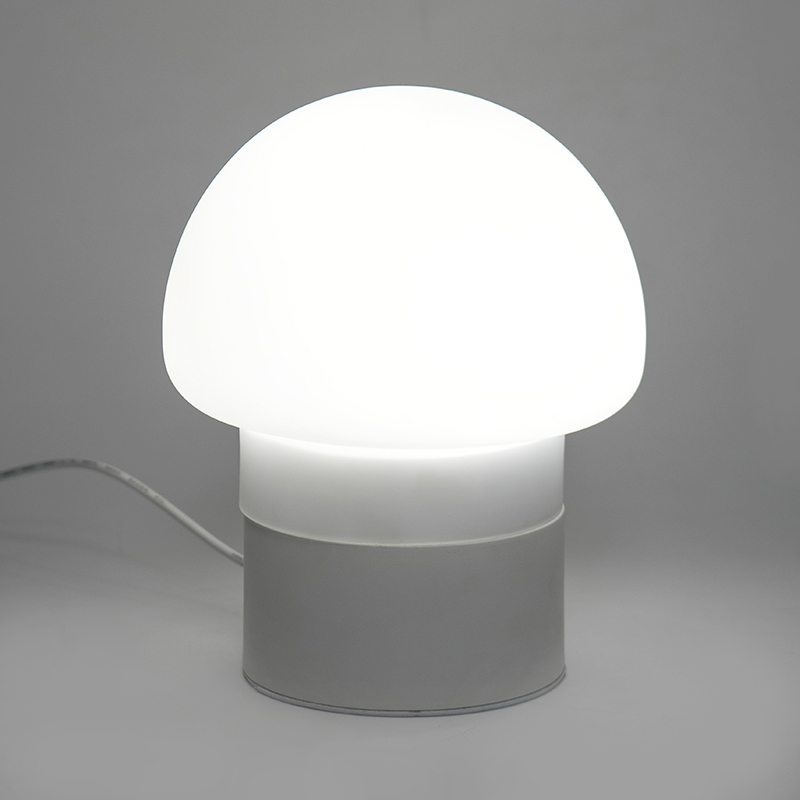 LED Mushroom Table Lamp with Diffused Warm LightingThis compact lamp uses a diffused LED source inside a bionic mushroom shape, providing soft, flicker-free light ideal for bedside tables without the heat of incandescent bulbs.View Product →
For reading corners and bedside zones, the challenge is to deliver enough light without harsh shadows. A floor lamp with an integrated LED module can provide a smooth vertical light distribution, low glare, and a longer service life than either fluorescent or incandescent alternatives.
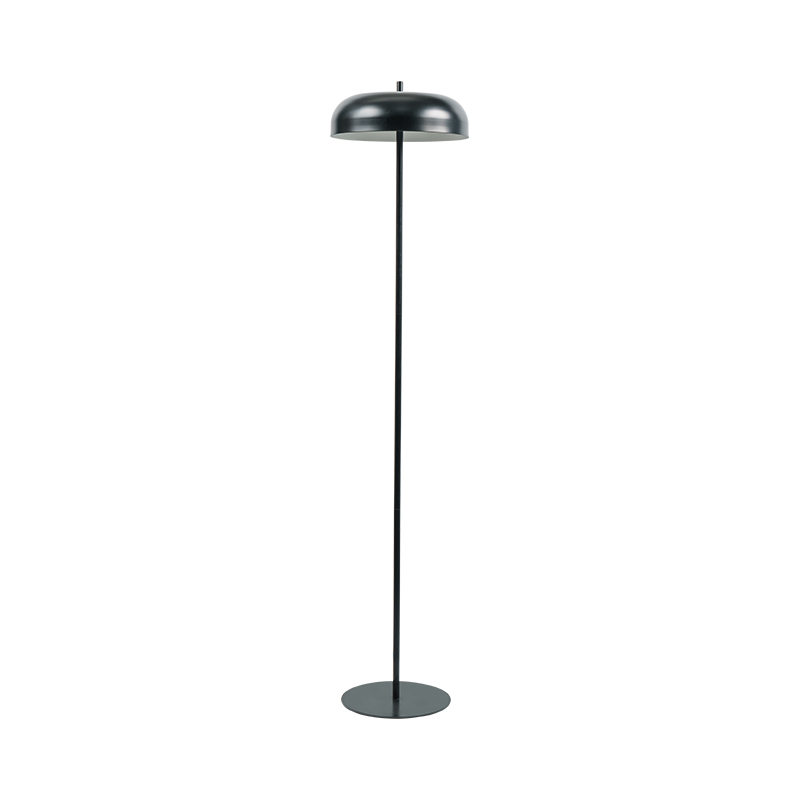 Bedroom Study LED Floor Lamp with Metal BaseThis standing lamp combines a stable metal pole and base with a dome-shaped shade, offering even, low-glare illumination suitable for reading corners and bedside zones.View Product →
In home offices and study rooms, users need task-level illuminance and decent color rendering. An adjustable reading lamp with a properly diffused LED source avoids the flicker problems associated with poor fluorescent ballasts and the heat of incandescent bulbs.
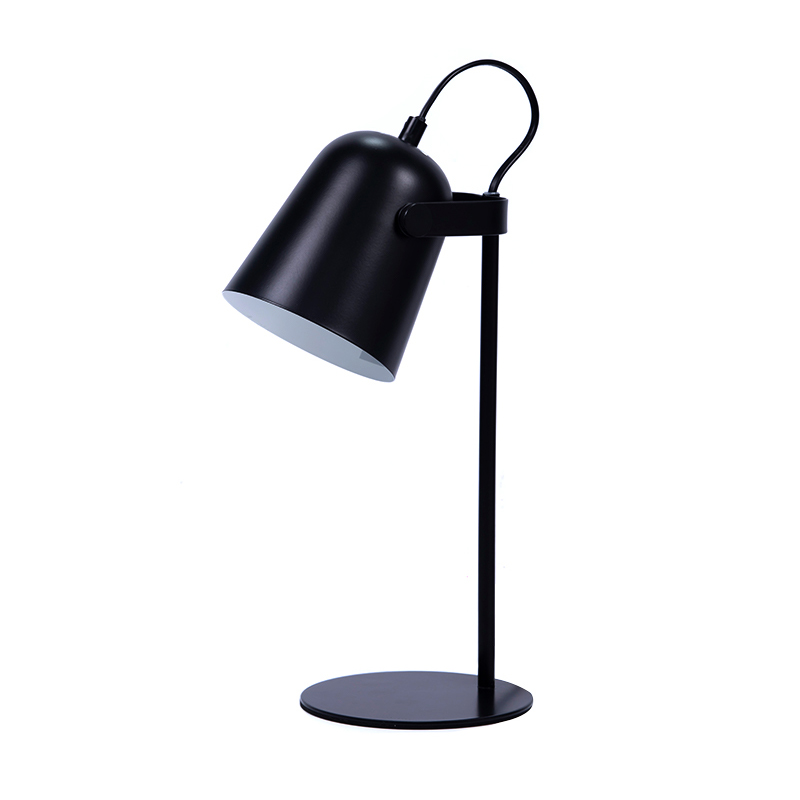 Glare-Free Reading Eye Protection LED Table LampFeaturing a hemispherical shade and integrated LED source, this desk lamp delivers bright, natural-like light while minimizing glare and flicker for comfortable task lighting in home offices.View Product →
From a wholesale perspective, LED also simplifies inventory: one LED lamp can replace an incandescent bulb with a much lower wattage, and it works with the same screw sockets when designed correctly. For a supplier who sells into Australia, Europe, and the United States, LED also makes compliance easier because many markets have phased out general-purpose incandescent lamps and are tightening rules on fluorescent lamp efficiency.
When you buy fluorescent or incandescent lamps in wholesale quantities, the product itself is only half the decision. A reliable manufacturer should be able to confirm voltage compatibility, photometric data, certifications, packaging dimensions, and lead times before you place a purchase order. As a professional lighting manufacturer and supplier, we produce decorative table lamps, floor lamps, chandeliers, and wall lights with export experience in Australia, Europe, and the United States.
Our factory covers about 6,500 square meters and employs more than 130 people. We support OEM and ODM orders, so you can specify shade materials, colors, lamp holders, and electrical systems for your market. Many of our products carry CE, ERP, and RoHS certification, which is a practical requirement for selling into Europe and several other regions. If you are evaluating fluorescent vs incandescent lamps for a custom fixture, the fixture design and the lamp type must be considered together: the socket, dimmer compatibility, and ventilation all influence reliability. Our engineering team can help you select the correct light source during product development, and you can send a Request a Quote from the contact page if you need a tailored specification.
For buyers who want to save on logistics, grouping fixtures by lamp type can reduce warehousing complexity. For example, a complete order of LED decorative lamps from a single supplier removes the need to stock multiple fluorescent ballast types and incandescent spare bulbs. It also simplifies the compliance paperwork because each SKU carries one consistent specification.
Q: What is the main difference between a fluorescent lamp and an incandescent lamp?A: The main difference is the light-generating principle. Incandescent lamps produce light by heating a tungsten filament until it glows, while fluorescent lamps produce light through a gas discharge that excites a phosphor coating. This makes fluorescent lamps more efficient and longer-lasting, but incandescent lamps warmer and easier to dim. |
Q: Are fluorescent lamps more energy-efficient than incandescent lamps?A: Yes. A compact fluorescent lamp typically produces 60–80 lumens per watt, while an incandescent lamp produces only 10–18 lumens per watt. For the same amount of light, a fluorescent lamp uses about 60–75 percent less electricity. |
Q: Why do people still use incandescent lamps if they are so inefficient?A: People still use incandescent lamps because the light quality is warm and continuous, color rendering is excellent, dimming is simple, and the lamps are inexpensive. In decorative fixtures with short operating hours, the higher energy cost may be small compared with the aesthetic benefit. |
Q: Can I use a fluorescent lamp in a dimmable table lamp?A: Only if the lamp and ballast are labeled dimmable and the dimmer is compatible. Many CFLs do not dim smoothly below a certain brightness, and some produce flicker at low levels. Incandescent lamps work with almost any standard dimmer, which is why they remain common in bedside and dining fixtures. |
Q: Do fluorescent lamps contain mercury?A: Yes. A typical compact fluorescent lamp contains a small amount of mercury, usually 3–5 mg, and linear fluorescent tubes contain slightly more. Broken lamps need careful cleanup, and spent lamps should be recycled through a certified hazardous-waste or lighting recycling program. |
Q: Which lamp is better for a hotel bedroom: fluorescent or incandescent?A: For a hotel bedroom, incandescent or a warm dimmable LED is usually better because guests expect warm, calm light and smooth dimming. Fluorescent lamps can feel cold and may flicker on cheap dimmers. If efficiency is the priority, choose a high-quality warm-white LED rather than a fluorescent lamp. |
Fluorescent remains a sensible value choice for continuous general lighting, especially in offices, workrooms, and budget-conscious hospitality projects. Incandescent remains relevant in decorative, dimmable, and warm-light applications where energy use is low enough to ignore. However, for most new projects, an LED solution should be tested first because it delivers the warm aesthetic of incandescent and the efficiency of fluorescent without most of the maintenance headaches.
For a purchasing manager, the practical process is simple: define the lumen target, operating hours, dimming requirement, and color rendering target; compare the total cost of ownership; then ask the supplier for compatibility data and certifications. In that process, fluorescent and incandescent are no longer competitors but reference points that help you frame the specification. If you are sourcing decorative lamps for hotels, homes, or commercial spaces, work with a manufacturer that can supply the right fixture and lamp combination, document compliance, and respond quickly to custom order requests.
Imagine you are sourcing 2,000 lamps for a boutique hotel renovation, and the specification sheet only says "fluorescent lamp vs incandescent lamp." ...
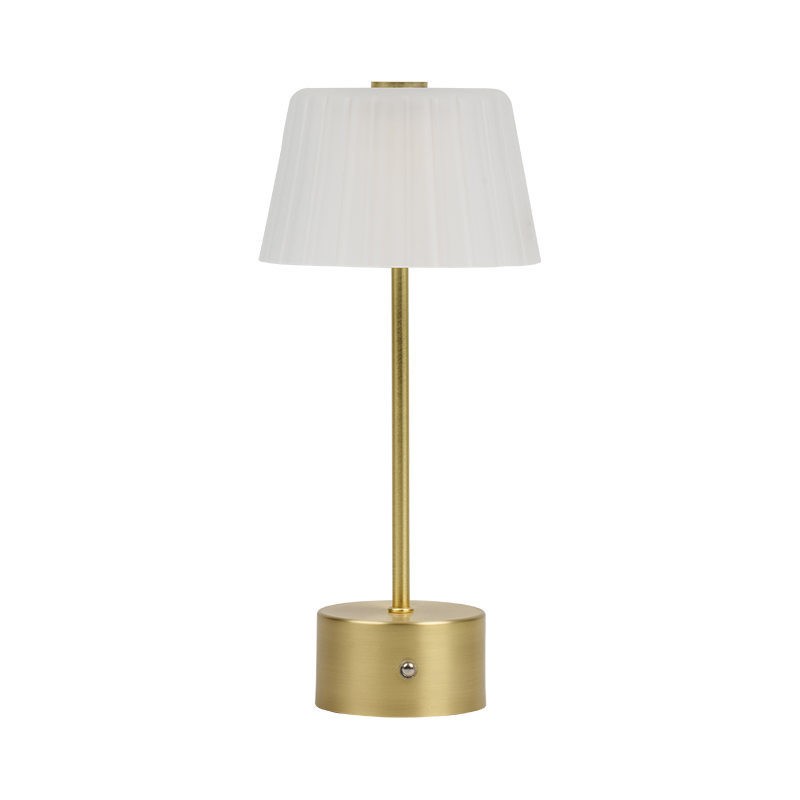
A restaurant operator in Sydney is lighting a courtyard terrace where the contractor never installed outdoor sockets. A hotel buyer needs bedside lam...
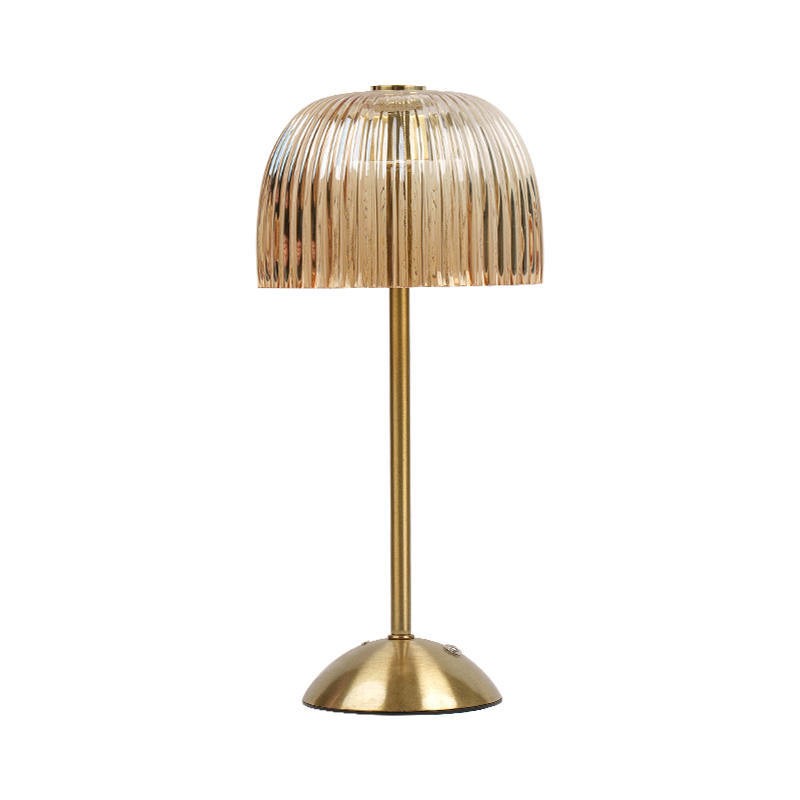
Why Cordless Table Lamps Rechargeable Models Are Gaining Traction in the Contract Lighting Market A cordless table lamp rechargeable design solves a ...
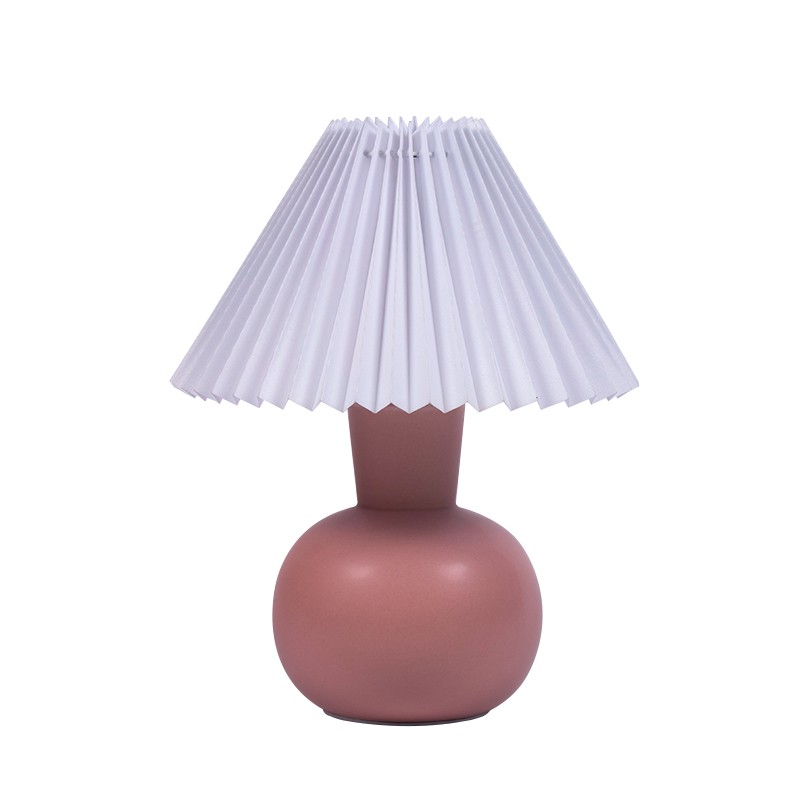
Every buyer who has sourced decorative lighting has met the same mismatch: the catalogue drawing looks right, the finish is approved, and then the sh...

 No.11 Gongji South Road, Linshan Town, Yuyao City, Zhejiang Province, China
Copyright ? Yuyao Baolong Electrical Appliance Co., Ltd. All Rights Reserved. Wholesale Decoration Lamp Manufacturer Decoration Lamp Factory


bla@yybaolong.cn

+86-18868663339
+86-574-62067336