English
  中文简体
中文简体  Français
  Español
Lamp Shade Types Explained: A Practical Sourcing Guide for B2B Importers
An importer in Rotterdam opens a container of 3,000 bedside lamps and finds 180 cracked glass shades. The bases are fine, the wiring passed inspectio...
Content
A decoration pendant lamp is a ceiling-suspended lighting fixture that hangs from a cord, chain, or rigid rod and is designed to combine functional downlight with a visually distinctive shade or diffuser, which makes it a common focal point above kitchen islands, dining tables, entryways, and staircases. Unlike a simple flush-mount ceiling fixture, a decoration pendant lamp is generally chosen specifically for its shape, material, and how it draws the eye within a room, in addition to the light it provides. For B2B buyers evaluating a decoration pendant lamp manufacturer or a decoration pendant lamp supplier, the core considerations usually include shade material and finish, suspension length and adjustability, socket and wiring compatibility, and how well a given design fits the ceiling height and layout of the target space, whether that is a residential kitchen, a hotel corridor, or a retail storefront.
This article works through the common types of decoration pendant lamps available on the market today, how these fixtures are structured internally, where they are typically placed within a space, how different options compare on several practical attributes, and how to keep a decoration pendant lamp performing well over its service life. Several data visualizations are included along the way to make comparisons easier to follow at a glance. Wholesale buyers, interior design firms, hospitality procurement teams, and retail lighting buyers sourcing a decoration pendant lamp for a project can use this guide as a practical reference when evaluating options from a decoration pendant lamp manufacturer or wholesale supplier.
Key takeaway: selecting a suitable decoration pendant lamp generally comes down to matching shade material and suspension length to the ceiling height and function of the space, confirming socket and mounting compatibility, and working with a manufacturer experienced in both standard and custom configurations.
Decoration pendant lamps are generally grouped by shade shape and hanging configuration, and each type tends to bring a distinct visual weight and light distribution pattern into a room. Buyers sourcing a decoration pendant lamp for residential, hospitality, or retail projects often begin by identifying which configuration best matches the ceiling height and layout of the intended space. The most commonly requested categories in the lighting industry include single pendant, cluster or multi-light pendant, drum shade pendant, globe pendant, linear or island pendant, and woven or rattan pendant designs. Each of these categories can be produced in a range of materials and finishes, which allows a decoration pendant lamp manufacturer to adapt a core suspension and socket design to different regional style preferences without redesigning the entire fixture. The summary below outlines the defining characteristics of six widely produced decoration pendant lamp types, presented as a horizontally scrolling set of reference cards.
One shade suspended from a single cord or rod, generally used above a small table, reading corner, or bedside area where focused downlight is needed.
Several shades grouped at varying drop heights from a shared canopy, often used above dining tables or entryways to create a layered visual effect.
A cylindrical fabric or metal shade encloses the bulb, producing soft, diffused downlight and glow through the shade material itself.
A round glass or acrylic sphere surrounds the bulb, giving off ambient light in most directions rather than concentrated downlight.
An elongated fixture with multiple light points along a single bar, generally sized to match the length of a kitchen island or long dining table.
A natural-fiber woven shade produces a dappled light pattern and a textured look, often chosen for relaxed or coastal-style interiors.
A decoration pendant lamp manufacturer with in-house design and production capability can generally produce several of these categories from a shared set of core suspension and socket components, adjusting shade material, canopy finish, and drop length to fit a buyer's target market. This flexibility is one reason wholesale and OEM buyers often prefer working with a manufacturer that maintains its own production line rather than relying on a single fixed catalog.
Key takeaway: type selection for a decoration pendant lamp should start with the ceiling height and the surface it will hang above, since each category carries a different visual weight and light distribution behavior.
Choosing among decoration pendant lamp styles rarely comes down to a single factor, since a style that looks appropriate for a project can still fall short on practical grounds such as light output or long-term durability. Buyers sourcing for multi-unit hospitality projects, retail rollouts, or wholesale residential catalogs usually need to weigh several attributes together before committing to a design. To make this kind of multi-attribute comparison easier to read, the chart below breaks down three commonly requested style categories, modern minimalist, industrial, and woven or rattan, into three stacked attribute scores each: aesthetic fit, light output quality, and durability. The scores shown are illustrative and relative, based on general design and construction characteristics typical of each style category rather than a specific laboratory measurement or third-party study. Reading the stacked bar height for each style gives a general sense of overall attribute coverage, while the individual segment sizes show where each style tends to be strongest.
The overall bar heights in this chart are fairly close across the three styles, which suggests that no single category clearly outperforms the others once all three attributes are combined, and instead each style trades strength in one area for a slightly lower score in another. The modern minimalist bar carries the largest dark blue segment, reflecting a generally strong aesthetic fit across a wide range of contemporary interiors, since its simple geometric shade tends to complement many existing color palettes. The industrial bar carries the largest red segment, reflecting a generally higher durability score, which lines up with its typically heavier gauge metal shade and mounting hardware built to withstand frequent handling in commercial settings. The woven or rattan bar shows a more balanced distribution across all three segments, with a moderate aesthetic fit and durability score but a comparatively smaller light output segment, since natural woven materials tend to filter and soften light rather than transmit it directly. Light output quality, shown in medium blue, is generally largest for the modern minimalist category, since glass, acrylic, and open metal shades used in that style typically allow more direct light transmission than fabric or woven materials. For a hospitality buyer furnishing a corridor or lobby that sees heavy use, the industrial category's stronger durability segment may be the more relevant factor, while a boutique retail buyer focused on visual merchandising may weight the modern minimalist category's aesthetic fit segment more heavily. It is worth noting that these scores can shift depending on the specific materials and finishes a decoration pendant lamp manufacturer applies within a given style category, so the chart should be treated as a general starting point for a sourcing conversation rather than a fixed technical rule. Buyers evaluating a specific product line are generally better served by requesting sample units or detailed specification sheets to confirm how a particular design performs against project requirements. Overall, this kind of stacked comparison is intended to support internal sourcing discussions rather than serve as a precise ranking of one style over another.
A decoration pendant lamp is generally assembled from a consistent set of core components regardless of style category, even though the appearance of each part can vary considerably. The main components typically include the ceiling canopy, which covers the electrical junction box and anchors the fixture to the ceiling; the suspension element, which may be a fabric or rubber-coated cord, a metal chain, or a rigid rod, and which often determines how easily the drop length can be adjusted; the socket and bulb assembly; the shade or diffuser, which shapes and filters the light output; and the internal wiring that connects the fixture to the household or building circuit. The schematic diagram below labels these components on a generic decoration pendant lamp structure to illustrate how they fit together.
This diagram is a generic schematic intended to illustrate how the major components of a decoration pendant lamp relate to one another rather than a rendering of a specific product. The canopy and suspension element together determine how the fixture attaches to a ceiling and how far it can drop below it, which is one reason mounting type and adjustable cord length are commonly discussed specification points between buyers and a decoration pendant lamp manufacturer. The socket and shade assembly determines which bulb types and light distribution patterns the fixture can accommodate, and shade material has a direct effect on how much of the light output reaches the surface below.
The light source paired with a decoration pendant lamp affects both the visual result and the ongoing energy use of the fixture, so it is worth reviewing briefly before moving to selection criteria. Most decoration pendant lamps sold today are built around standard screw-base sockets, such as E26 or E27, that can accept several bulb types, including LED, compact fluorescent, halogen, and traditional incandescent bulbs, which gives buyers flexibility in matching a fixture to local sourcing preferences. Two figures commonly referenced when comparing bulb types are wattage needed to reach a similar brightness level and rated operating lifespan, since both affect how often a bulb needs replacing and how much energy a fixture draws over time. According to general lumen equivalency guidance published by the United States Department of Energy and Energy Star programs, a brightness level of roughly eight hundred lumens can generally be reached with about sixty watts of incandescent output, forty three watts of halogen output, thirteen watts of compact fluorescent output, or as little as nine watts of LED output. The scatter chart below plots four common bulb types by wattage needed for this brightness level against their generally referenced rated lifespan in hours.
The overall pattern in this scatter chart shows a fairly clear inverse relationship between wattage needed for a given brightness level and rated operating lifespan across the four bulb types plotted. Incandescent bulbs sit in the lower right area of the chart, requiring the highest wattage of the group to reach roughly eight hundred lumens while also carrying the shortest rated lifespan, generally around one thousand hours under typical use. Halogen bulbs sit slightly up and to the left of incandescent, needing somewhat less wattage for a similar brightness level while offering a modestly longer rated lifespan, generally around two thousand hours. Compact fluorescent bulbs move further up and to the left, needing meaningfully less wattage than either incandescent or halogen options while offering a rated lifespan in the range of ten thousand hours. LED bulbs sit clearly in the upper left area of the chart, needing the least wattage of the group for the same brightness level while offering the longest rated lifespan among the four options, commonly cited in the range of twenty five thousand hours. For buyers specifying a decoration pendant lamp intended for a hard-to-reach location, such as a stairwell or a high entryway ceiling, this pattern generally supports prioritizing a bulb type positioned toward the upper left of the chart, since a longer rated lifespan reduces how often a ladder or lift is needed for bulb replacement. For hospitality and commercial buyers managing large numbers of pendant fixtures across a property, the reduced wattage draw associated with LED and CFL options can also lower the aggregate energy load compared with fixtures fitted with incandescent or halogen bulbs. It is worth noting that these figures are general reference points drawn from widely published lumen equivalency and lifespan guidance rather than measurements of any specific product, and actual performance can vary by manufacturer and bulb model. Buyers working with a decoration pendant lamp manufacturer on a custom order can typically request socket wiring suited to a preferred bulb category as part of the specification process. Confirming socket wattage ratings with a supplier before pairing a fixture with a higher output bulb is generally advisable, since exceeding a socket's rated wattage can affect both safety and warranty coverage.
Key takeaway: canopy mounting type, suspension adjustability, and socket wattage rating are the structural details most worth confirming with a supplier, since they directly affect installation, bulb compatibility, and day-to-day usability.
A decoration pendant lamp is used across a fairly wide range of settings, and the selection criteria that matter most tend to shift depending on where the fixture will be installed. The table below lines up common application scenarios against the selection criteria buyers generally use to narrow down a suitable design for each one.
Common Application Scenarios
|
Selection Criteria to Match
|
Drop length, meaning how far the shade hangs below the ceiling canopy, is one of the more practical measurements to get right when specifying a decoration pendant lamp, since a shade hung too high or too low can affect both visual balance and how comfortably people can move or sit beneath it. General interior lighting guidance commonly references a recommended clearance above a work surface for pendant fixtures, expressed as a drop length measured from the bottom of the shade down to the surface below. This clearance tends to vary somewhat depending on the surface the fixture is placed above, since a bedside table calls for a shorter drop than a tall bar counter. The area chart below plots four common placement types against their generally referenced recommended drop length in centimeters, to give a visual sense of how this figure scales across scenarios. As with the earlier structural figures, these values are general planning references rather than a precise measurement for any specific room.
The gently rising shape of this filled area chart reflects how recommended drop length generally increases alongside the height and function of the surface a decoration pendant lamp hangs above. Bedside mini pendant placements sit at the lower end of the range because they are usually mounted close to eye level beside a low surface, where a shorter drop keeps the shade out of the way while still directing light downward for reading. Kitchen island placements climb somewhat higher, reflecting a taller work surface and the need to keep the shade clear of anyone standing or working at the counter. Dining table placements climb further still, since dining tables are typically positioned with more open space around them and a slightly longer drop helps center the fixture visually over the table without obstructing sightlines across it. Bar counter placements sit at the top of this range, reflecting the greater height of a standard bar counter compared with a dining table or kitchen island. For buyers specifying multiple pendant types for a single project, such as a kitchen renovation that includes both an island and a nearby dining area, this generally points toward selecting two different drop lengths rather than a single uniform measurement across both zones. It is worth noting that overall ceiling height also interacts with these figures, since a room with unusually high or low ceilings may call for an adjusted drop length beyond the general ranges shown here. A decoration pendant lamp with an adjustable cord or chain length can help buyers fine-tune this measurement on site rather than committing to a fixed drop length before installation. Buyers working with a decoration pendant lamp supplier on a custom project can generally request adjustable suspension hardware as a standard specification point for multi-unit orders where ceiling heights may vary slightly across rooms or buildings.
The table below brings together the six style categories introduced earlier and compares them across several practical attributes that commonly come up in sourcing discussions, including typical drop range, common shade material, best suited space, and light distribution style when working with a decoration pendant lamp manufacturer.
| Style | Typical Drop Range | Common Shade Material | Best Suited Space | Light Distribution |
|---|---|---|---|---|
| Single Pendant | 60 to 90 cm | Metal, glass, or acrylic | Bedside, small table | Focused, downward |
| Cluster or Multi-Light | 70 to 110 cm | Mixed metal and glass | Dining table, entryway | Layered, ambient |
| Drum Shade | 70 to 95 cm | Fabric or metal cylinder | Living area, hallway | Soft, diffused |
| Globe | 65 to 90 cm | Glass or acrylic sphere | Kitchen, dining area | Ambient, multi-directional |
| Linear or Island | 75 to 100 cm | Metal with diffuser panel | Kitchen island, long table | Even, task-focused |
| Woven or Rattan | 70 to 100 cm | Natural fiber weave | Living area, entryway | Textured, dappled |
Shade material is one attribute that has a fairly direct effect on how much of a bulb's output actually reaches the room below, since different materials transmit, filter, or block light to varying degrees. A decoration pendant lamp with a glass or acrylic shade generally transmits most of the bulb's output with minimal filtering, while a fabric, metal, or woven shade tends to soften or partially block the light depending on material thickness and weave density. This distinction matters for buyers deciding between a fixture intended primarily as a functional light source, such as one placed above a kitchen island for task lighting, versus a fixture intended primarily as an ambient or decorative accent, such as one placed in an entryway. The column chart below presents an illustrative light diffusion quality rating across four common shade materials, expressed on a relative zero to ten scale. As with the earlier comparison charts, these ratings are relative and illustrative, intended to support general sourcing discussions with a decoration pendant lamp manufacturer rather than to represent laboratory-tested values for any specific product.
Reading this column chart from left to right shows a fairly intuitive pattern once the physical properties of each material are considered. Fabric shades receive the highest illustrative rating in this comparison, since fabric generally diffuses light very evenly across its surface while still allowing a meaningful amount to pass through, producing a soft glow that many buyers associate with decorative rather than purely functional lighting. Glass shades follow closely behind, since clear or lightly frosted glass transmits most of the bulb's output with relatively little filtering, though the specific diffusion quality can vary depending on whether the glass is clear, frosted, or textured. Woven or rattan shades sit in the middle of the comparison, since the natural fiber weave filters light into a dappled pattern rather than a uniform glow, which some buyers consider a design feature rather than a limitation depending on the intended use of the space. Metal shades paired with an internal diffuser panel generally receive the lowest illustrative rating in this comparison, since solid metal is largely opaque and depends entirely on the diffuser component to spread light evenly, which can result in a more directional or uneven output if the diffuser is not well matched to the shade shape. For buyers specifying a decoration pendant lamp intended primarily for ambient or decorative purposes, materials rated higher on this chart, such as fabric or glass, are generally worth prioritizing. For buyers specifying a fixture intended primarily for focused task lighting, such as one placed above a kitchen island, a metal shade with a well-designed diffuser can still be an appropriate choice despite its lower diffusion rating, since the goal in that scenario is often concentrated downlight rather than even ambient glow. It is worth noting that finish details, such as an interior white coating on a metal shade, can meaningfully improve light diffusion compared with an unfinished interior surface, so this chart should be read as a general material comparison rather than an absolute rule for every product configuration. Buyers working with a decoration pendant lamp manufacturer on a custom order can typically request interior shade finish adjustments as part of the specification process if a particular light distribution pattern is required for a project.
Routine maintenance for a decoration pendant lamp is generally straightforward, but a small amount of regular care can meaningfully extend the useful life of the fixture and help it continue to look its intended finish over time. The list below outlines maintenance practices commonly recommended for decoration pendant lamps across most style categories and material types.
Key takeaway: consistent light cleaning and periodic hardware checks are generally sufficient to keep a decoration pendant lamp performing reliably across most residential and commercial settings.
Buyers evaluating a decoration pendant lamp manufacturer often look for a combination of production experience, design flexibility, and export track record before committing to a sourcing partner. Yuyao Baolong Electrical Appliance Co., Ltd. is one example of a manufacturer operating in this space, established in 2010 and based in Yuyao City, a location with convenient transportation access for both domestic distribution and export shipping. The company operates a production facility covering approximately 6,500 square meters and employs over 130 people across design, production, and quality functions, supporting an annual sales figure of more than six million dollars.
The company's product range spans table lamps, floor lamps, and ceiling lamps, with decoration pendant lamp designs produced within the ceiling lamp category and sold into the Australian, European, and United States markets among others. This kind of multi-category product range can be useful for wholesale buyers looking to source coordinated lighting collections, such as a decoration pendant lamp paired with a matching table lamp designed to share a common finish or style language for a single project. The company supports both OEM and ODM order types, which generally allows buyers to either supply their own design specifications for production or work from existing base designs that can be adjusted in finish, shade material, or dimension to fit a specific market or project requirement.
For buyers exploring a new decoration pendant lamp supplier relationship, whether for a wholesale catalog, a hospitality furnishing project, or a retail lighting program, factors worth discussing typically include production capacity, minimum order flexibility, sample availability, and the manufacturer's experience with the specific style category and export market in question. Manufacturers with an established, multi-year production history and a diversified product range are generally better positioned to support both standard catalog orders and more customized OEM or ODM development work.
Q1: What is a decoration pendant lamp and how does it differ from a flush-mount ceiling fixture?A decoration pendant lamp hangs below the ceiling on a cord, chain, or rod, and is generally chosen specifically for its shape and shade material as a visual focal point, whereas a flush-mount fixture sits close against the ceiling. |
Q2: What shade materials are commonly used for decoration pendant lamps?Common shade materials include glass, fabric, metal paired with an internal diffuser, and natural woven fiber such as rattan, each offering a different light diffusion quality and visual texture. |
Q3: How is the correct drop length for a decoration pendant lamp determined?Drop length is generally based on ceiling height and the surface below, with shorter drops used above bedside tables and progressively longer drops used above kitchen islands, dining tables, and bar counters. |
Q4: Can decoration pendant lamps be customized for hospitality or retail projects?Many decoration pendant lamp manufacturers support OEM and ODM order types, which generally allows buyers to adjust finish, shade material, canopy design, or drop length to fit a specific project or market requirement. |
Q5: What bulb types are generally compatible with a decoration pendant lamp?Most decoration pendant lamps use standard screw-base sockets, such as E26 or E27, which are broadly compatible with LED, compact fluorescent, halogen, and traditional incandescent bulbs, subject to the socket's rated wattage. |
Q6: What should buyers evaluate when choosing a decoration pendant lamp manufacturer or supplier?Buyers generally review production capacity, design and OEM/ODM flexibility, sample availability, export market experience, and the range of styles and materials a manufacturer can support. |
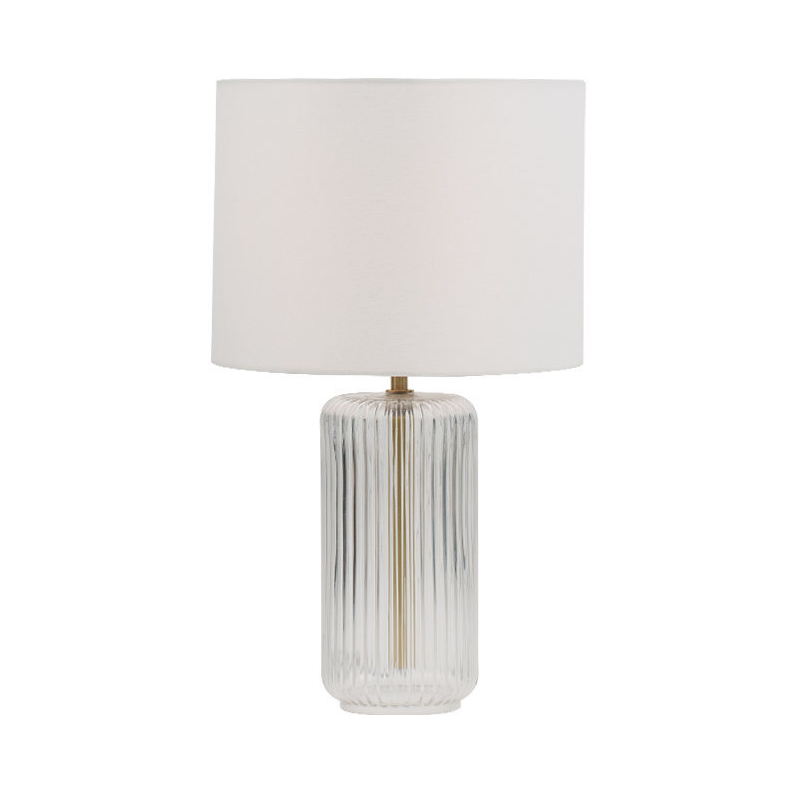
An importer in Rotterdam opens a container of 3,000 bedside lamps and finds 180 cracked glass shades. The bases are fine, the wiring passed inspectio...
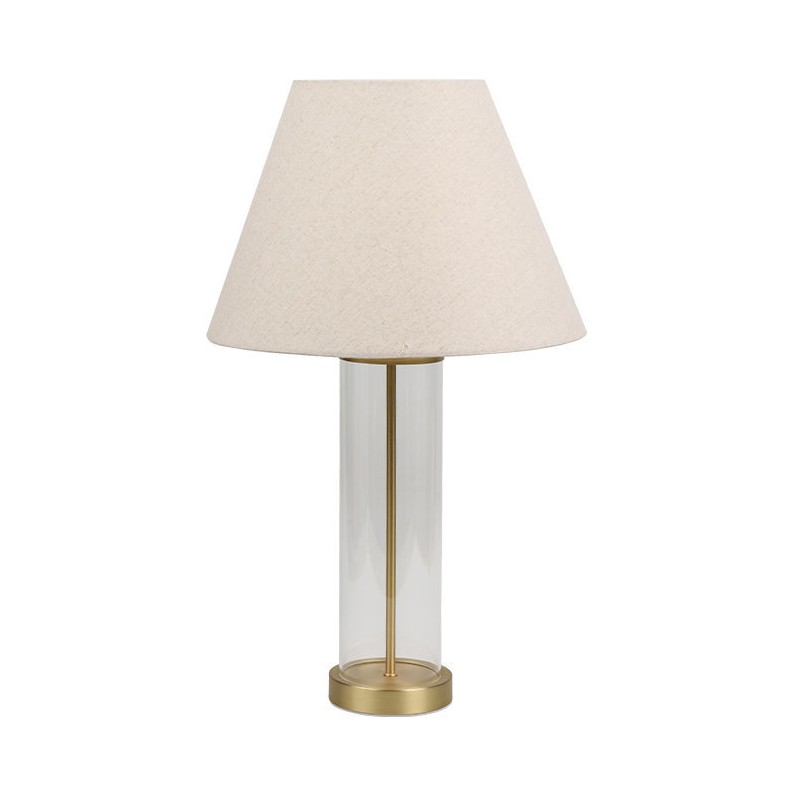
Two containers of the same decorative table lamp leave the same factory, and only the socket label changes: E27 for a German importer, E26 for a US w...
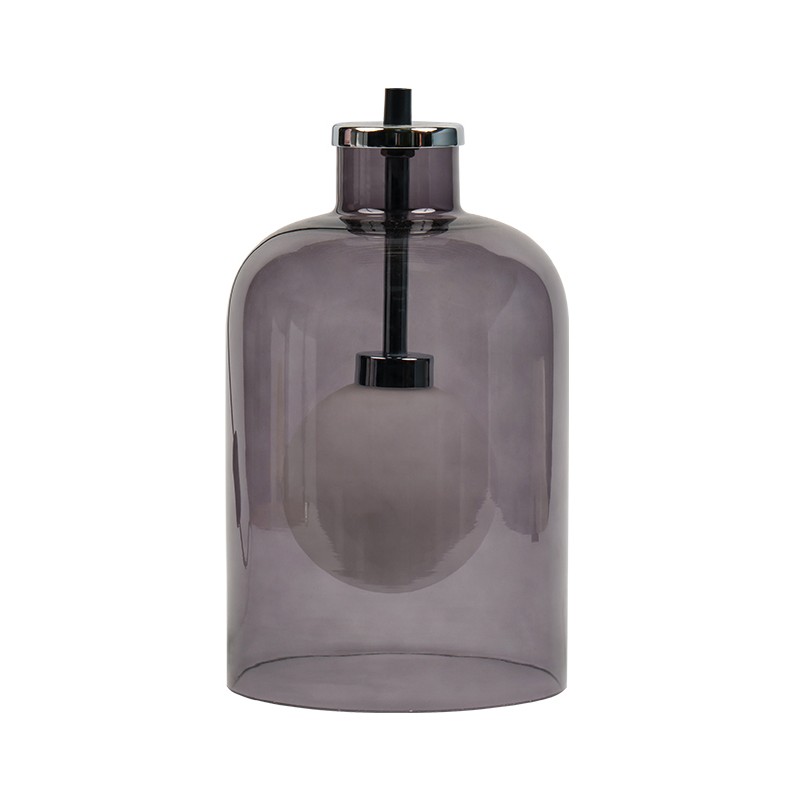
If a replacement lampshade arrives and will not sit straight, will not clear the bulb, or leans to one side, the fault is almost never the shade. It ...
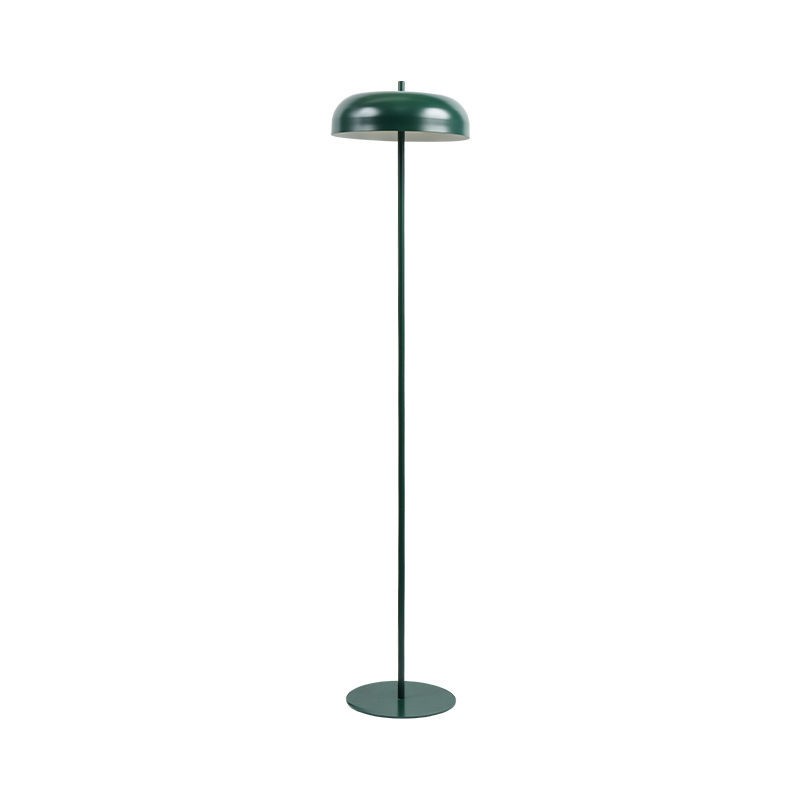
Imagine you are sourcing 2,000 lamps for a boutique hotel renovation, and the specification sheet only says "fluorescent lamp vs incandescent lamp." ...

 No.11 Gongji South Road, Linshan Town, Yuyao City, Zhejiang Province, China
Copyright ? Yuyao Baolong Electrical Appliance Co., Ltd. All Rights Reserved. Wholesale Decoration Lamp Manufacturer Decoration Lamp Factory


bla@yybaolong.cn

+86-18868663339
+86-574-62067336