English
  中文简体
中文简体  Français
  Español
Lamp Shade Types Explained: A Practical Sourcing Guide for B2B Importers
An importer in Rotterdam opens a container of 3,000 bedside lamps and finds 180 cracked glass shades. The bases are fine, the wiring passed inspectio...
A common complaint that reaches a lamp manufacturer's inbox reads like this: the sample arrived, the ceramic base looked right, but the shade swallowed it, or sat so high that the harp showed through the top like a birdcage. Both problems come from the same source - the shade was chosen for the room, or for the catalog photo, and never measured against the base. How to size a lampshade is not a decorating afterthought; it is a measurement exercise built on a few ratios and three compatibility checks, and getting it right protects showrooms, reduces returns and keeps customers satisfied.
The short answer first: choose a shade whose bottom width is about twice the widest point of the lamp base, whose vertical height is close to two-thirds of the visible base height, whose fitter matches the lamp (spider, uno or clip-on), and which leaves at least five centimetres between the top of the bulb and the inner crown of the shade. Everything below explains where those numbers come from, how they bend for bedside lamps, living-room lamps, floor lamps and pendants, and what importers, wholesalers and retail buyers should confirm with a supplier before a single carton is packed.
Size the shade to the base, not the room: twice the base width, two-thirds of the base height, the right fitter, and five centimetres of bulb clearance.
Content
Every lampshade is specified by the same three numbers: top diameter, bottom diameter and vertical height, usually written as top x bottom x height. A shade listed as 8 x 12 x 10 inches tapers from eight inches across the top to twelve inches across the bottom and stands ten inches tall. Metric catalogs list the same shade as 20 x 30 x 25 cm, so always convert before comparing quotes; mixing units between a European supplier and a North American customer is one of the most common causes of wrong-size orders.
Measure each dimension with a flexible tape across the widest points, and take the height vertically rather than along the sloped side. Slant is a fourth number that pattern makers and sewing workshops need, but buyers should order by vertical height. Slant readings inflate the figure on tapered shades, and two factories can then quietly quote sizes that will never match on the finished lamp.
Then measure the lamp itself before choosing anything. Record the base width at its widest point - straight across the belly of a round ceramic body, or across the diagonal of a square base - and the visible base height from the table surface to the top of the holder, leaving out any finial. With those six numbers written on a spec sheet, the sizing rules in the rest of this guide take minutes instead of guesswork.
| Measurement | How to take it | Why it matters |
|---|---|---|
| Top diameter | Straight across the top opening | Sets how much light escapes upward and how the taper reads |
| Bottom diameter | Straight across the bottom opening, at the widest point | The number used in the two-to-one width rule |
| Vertical height | From top rim to bottom rim, measured straight down | Used in the two-thirds height rule and harp selection |
| Slant | Along the sloped side of a tapered shade | Needed by pattern makers; do not order by slant alone |
| Base width | Across the lamp base at its widest point | Starting value for the width rule |
| Visible base height | Table surface to top of the holder, finial excluded | Starting value for the height rule |
Order shades by top diameter, bottom diameter and vertical height, and record the base width and height in the same units before comparing quotes.
The oldest and most reliable rule in the trade says the shade's bottom width should be about twice the width of the lamp base, measured at the base's widest point. A six-inch ceramic base asks for a twelve-inch shade. The ratio keeps the lamp's silhouette balanced, hides the holder and harp from normal sightlines, and gives the shade enough surface to spread light instead of glaring.
There is also a floor under the rule. A shade should extend at least half an inch beyond the base on each side; a shade that ends exactly where the base ends looks pinched and tends to expose the harp through the top opening. Between that minimum and the two-to-one target, most lamps tolerate about half an inch of movement in either direction without the change being noticeable.
Ratios are easier to apply when you can see them drawn to scale. The horizontal bar chart below pairs four of the most common table lamp base widths with the shade bottom diameter each one calls for. Every bar follows the two-to-one rule, rounded to the nearest inch for practical ordering. The label on the left is the base measurement taken at its widest point, and the bar gives the shade size to request from your supplier. Treat the figures as a starting point, then adjust for shape, harp height and how much light the lamp must deliver.
Recommended shade bottom width for common base widths
Reading the chart takes seconds: find the base width on the left, and the bar gives the shade bottom diameter to aim for. A three-inch base pairs with a six-inch shade, which is typical for compact bedside lamps. A four-inch base steps up to eight inches, the most common size for small bedroom lamps. A five-inch base calls for roughly ten inches, which suits living-room accent lamps. A six-inch base, frequent on statement ceramic lamps, needs about twelve inches to look settled. Note that the ratio applies to the bottom diameter, not the top, because the bottom edge defines the silhouette. Tapered shades can run noticeably narrower at the top without upsetting the proportion. If a base is slim or richly decorated, choose the smaller end of each pairing so the base stays visible. If the lamp has to work as a reading light, choose the larger end to widen the light pool on the page. Square and rectangular bases should be measured across the diagonal, which is their widest line. Production tolerance matters as well: a shade listed at twelve inches may arrive between roughly 11.8 and 12.2 inches, which is normal. Within about half an inch the eye forgives; beyond two inches the imbalance is obvious to customers.
Table B translates both core ratios into worked examples for three common lamp sizes.
| Lamp description | Base width | Base height | Shade bottom width | Shade vertical height |
|---|---|---|---|---|
| Compact bedside lamp | 9 cm (3.5 in) | 30 cm (12 in) | 18 cm (7 in) | 20 cm (8 in) |
| Living-room ceramic lamp | 15 cm (6 in) | 45 cm (18 in) | 30 cm (12 in) | 30 cm (12 in) |
| Large statement lamp | 20 cm (8 in) | 56 cm (22 in) | 38 to 40 cm (15 to 16 in) | 36 to 38 cm (14 to 15 in) |
Visual weight completes the picture. A tall, narrow base can carry a slightly wider shade than the strict ratio suggests, because height adds stability to the silhouette, while a short, wide base usually wants the smaller end of the range. The ceramic model below shows the pairing in production form: a broad round base and a shade that takes the full two-to-one width without hiding the glaze.
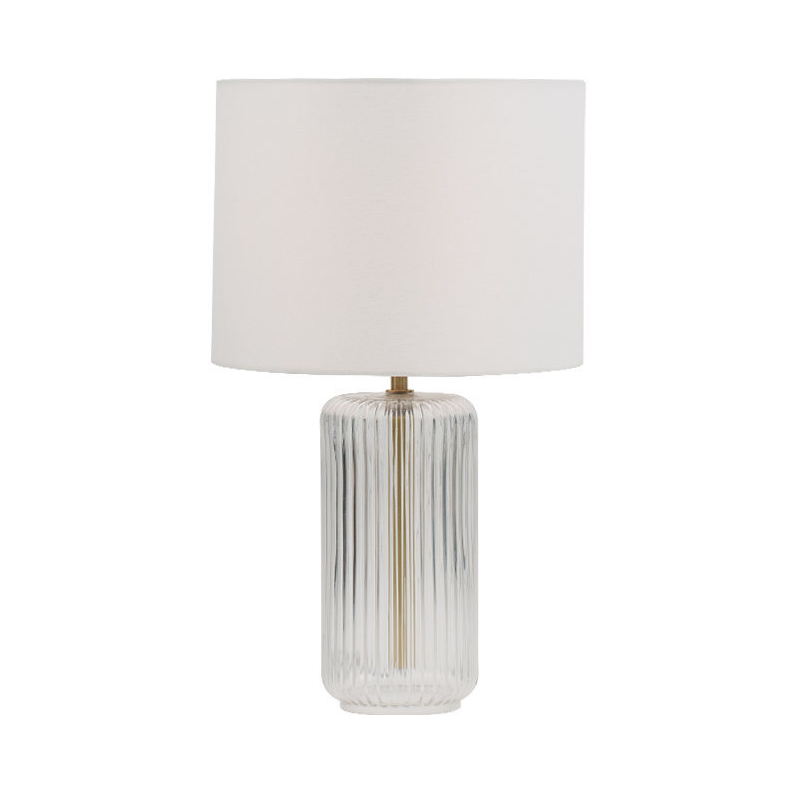
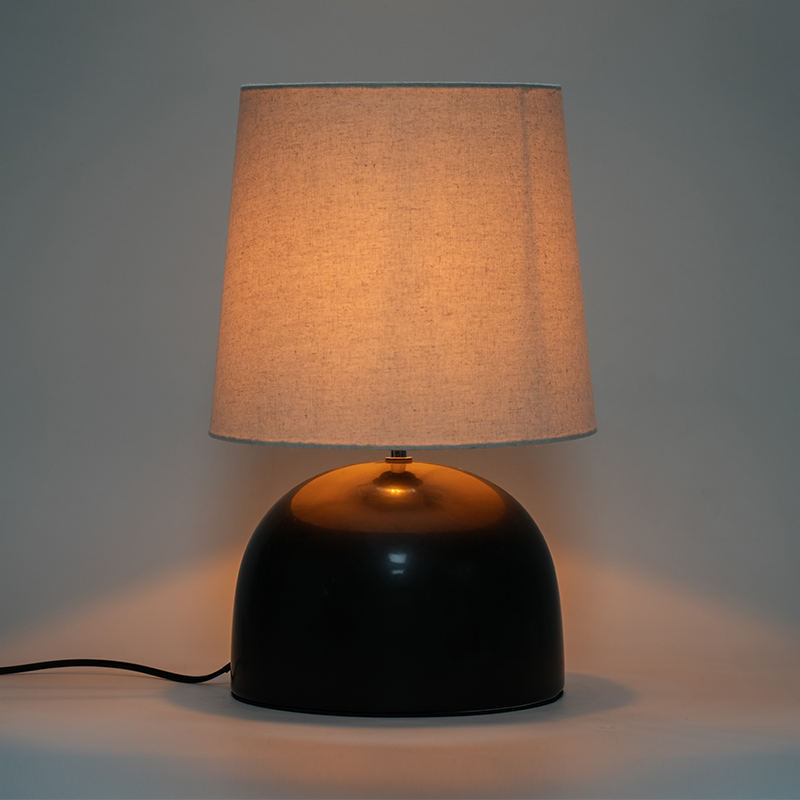 Large Ceramic Round Bottom Table Lamp with Wide ShadeThis ceramic lamp pairs a broad round base with a shade at the full two-to-one width, showing how the suggested shade-to-base proportions look in finished form while keeping the glaze visible and the light soft.View Product →
Start from a shade bottom about twice the base width, fine-tune within half an inch, and never let the shade end at exactly the base width.
Width decides balance; height decides whether the shade actually fits the lamp's structure. The working rule is that shade height should sit close to two-thirds of the visible base height. On an eighteen-inch base that is a twelve-inch shade; on a twelve-inch base, roughly eight inches. The proportion keeps the harp and socket hidden, keeps the switch reachable under the bottom rim, and leaves the base enough presence to carry the lamp's style.
The two-thirds rule is easiest to communicate as a picture. The donut chart below divides a lamp's visible height into the shade share and the base share. The filled segment represents the shade height, which should occupy about two-thirds of the total. The pale segment is the base that remains on show beneath the shade. Applied to an eighteen-inch base, the chart reads as a twelve-inch shade - a number you can verify on a sample in seconds.
Shade height Visible base height
The share matters more than the exact number, because it is the relationship the eye judges. At two-thirds, the harp disappears under the shade on almost every standard table lamp. At one-third, the harp and part of the socket peek through the top opening and the lamp looks unfinished. At three-quarters or more, the base sinks below the shade and the lamp loses its identity. Measure only the visible base: from the table surface to the top of the holder, finial excluded. A tall finial does not count toward base height, although it does count toward overall balance. Order by vertical height, because slant measurements inflate tapered shades and hide the error until the sample arrives. When choosing between two available heights, take the one that hides the harp completely, even if it breaks the ratio slightly. For reading lamps, the bottom rim should fall at eye level when you sit beside the lamp, which limits how low a shade can go. For purely decorative lamps, a slightly shorter shade that exposes more base is acceptable and often more elegant. Retailers can print the two-thirds figure on swing tags or spec sheets; it is a simple message that prevents a surprising number of returns.
Keep shade height near two-thirds of the visible base height: shorter exposes the harp, taller buries the base.
A shade can be perfectly proportioned and still unusable if its fitter does not match the lamp. Three fittings dominate the market. The spider, or washer, fitter rests on a harp and is secured by a finial screwed through the washer; it is standard on most North American table and floor lamps. The uno fitter has a ring that fits over the socket before the bulb goes in, so the shade hangs below the bulb; it is common on down-bridge designs and on many European lamps. Clip-on shades grip the bulb itself and appear on chandeliers, wall lights and candelabra-style fittings.
Harp length is the hidden variable in spider setups. Choose a harp about one inch shorter than the shade's vertical height so the harp is completely covered while still holding the washer above the socket. If the harp shows under the rim, it is too tall; if the shade rests on the bulb, the harp is too short. When replacing a shade, measure the old one top, bottom and height, note the fitter, and check the drop from the washer to the bottom rim so the replacement sits at exactly the same level.
| Fitter type | How it attaches | Typical applications | Sizing check |
|---|---|---|---|
| Spider (washer) | Rests on a harp, secured by a finial | Most North American table and floor lamps | Harp about one inch shorter than shade height; washer drop matches the holder |
| Uno | Ring fits over the socket; shade hangs below the bulb | Down-bridge table lamps, many European designs | Inner ring matches the socket body; shade clears the bulb |
| Clip-on | Clips directly onto the bulb | Chandeliers, wall lights, candelabra fittings | Clip spread matches the bulb shape; LED candle bulbs recommended |
The best-proportioned shade still fails if the fitter does not match - confirm spider, uno or clip-on before confirming anything else.
The ratios stay constant, but each lamp type adds its own constraints, and buyers who know them can qualify samples faster.
For bedside and reading positions, height is anchored by the eye. Sit on the bed or in the chair beside the lamp: the bottom rim of the shade should sit at roughly cheek or eye level, so light falls on the page and the bulb never glares into your eyes. On a standard 24 to 28 inch bedside lamp that usually means a shade eight to eleven inches across the bottom, combined with the two-to-one and two-thirds ratios taken from the base measurements. Pleated and tapered fabric shades dominate this category because their smaller top opening softens light for evening use. The bedside model below pairs a compact ceramic base with a pleated shade, a combination sized almost exactly to those numbers.
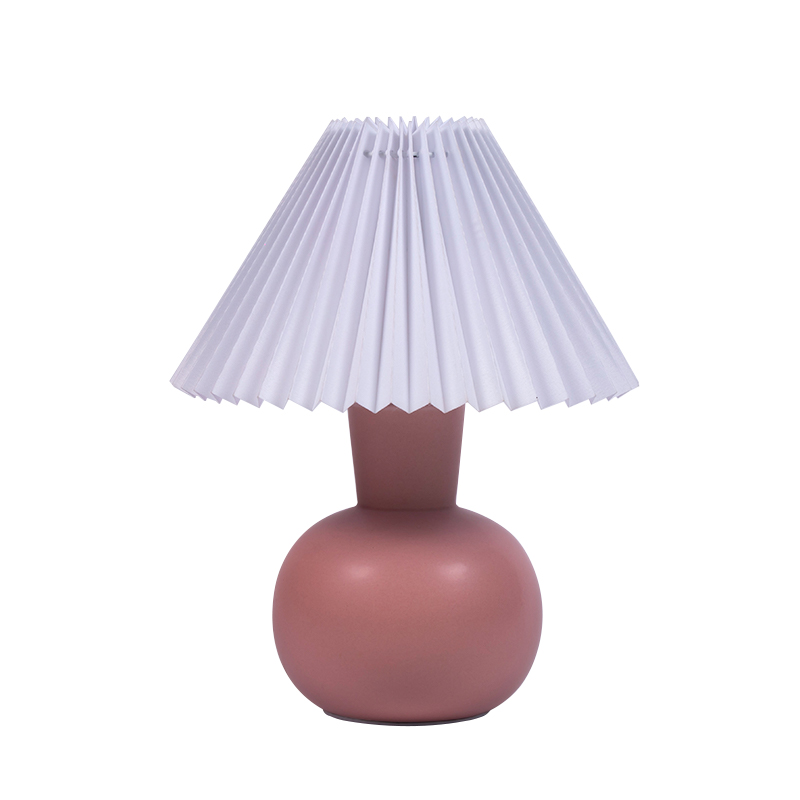 Pleated White Lampshade Bedside Table Lamp with Dark Ceramic BaseIts compact base and pleated cone shade follow the bedside sizing guidance, placing the shade rim near seated eye level so light falls on the page without glare while creating a warm bedroom atmosphere.View Product →
Floor lamps abandon the two-thirds rule because their bases are poles, not bodies. Instead, the shade should be wider than the base by about ten to twenty centimetres in total, and most floor lamps settle on shades fifteen to nineteen inches across the bottom. The bottom rim should reach eye level when you are seated beside it, and it must conceal the switch and the top of the pole from a standing view. Tall tapered shades keep the profile slim in narrow rooms; wide drums spread more light across a seating group. The fabric-shade model below shows the wider-than-base rule applied to a straight pole.
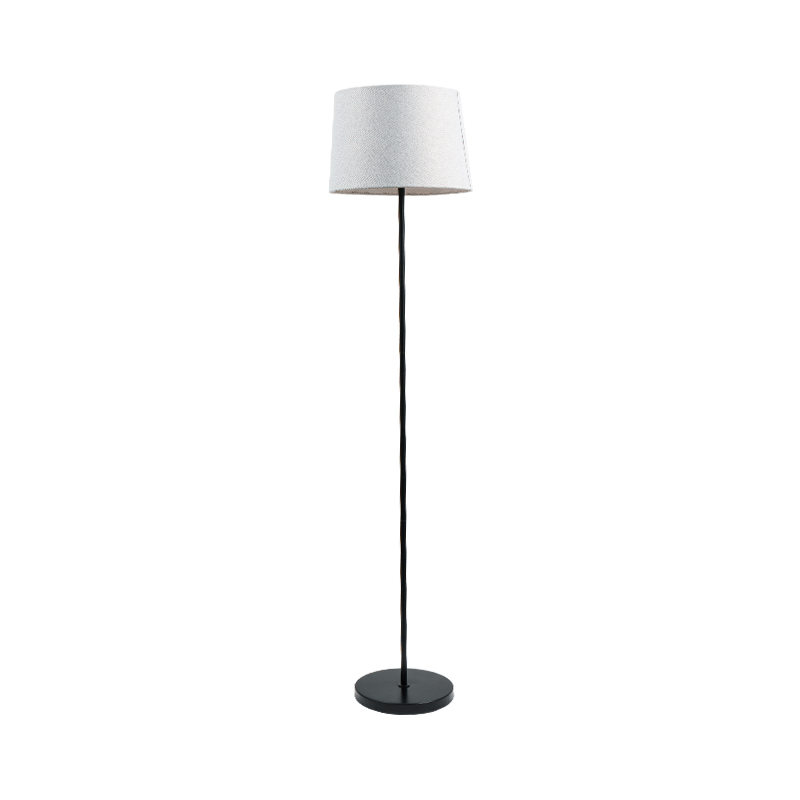 Fabric Shade Straight Pole LED Floor LampWith a durable black metal pole and fabric shade wider than the base, this floor lamp illustrates the wider-than-base rule for poles, with an efficient LED source suited to reading and everyday lighting.View Product →
Over a dining table, sizing is governed by clearance rather than ratios: hang the shade so its bottom rim sits thirty to thirty-six inches above the tabletop, near the sightline of a standing host. Width should cover about the central third of the table for a single pendant, or follow the spacing of the arms on a multi-light chandelier. Small clip-on shades size to the bulb, not the base, so check the bulb shape - standard, globe or candle - before ordering.
Table and bedside lamps
|
Floor lamps
|
Bedside lamps follow the ratios plus eye level; floor lamps follow the wider-than-base rule; pendants follow table clearance.
Two shades with identical measurements can look completely different on the same lamp, because shape changes how size is perceived. Before fixing a number, decide the silhouette, because each one carries its own sizing behavior.
Tapered sides and a classic profile. Suits slender ceramic and brass bases; the small top opening directs light downward for reading.
A straight cylinder with a modern look. Needs the full two-to-one width, so it pairs best with sturdy, wider bases rather than slim ones.
Narrow and elongated. Works on candlestick-style table lamps and slim floor lamps where a drum would overwhelm the frame.
Flat planes echo square bases and rectangular tables. Apply the width rule across the diagonal, which is the widest line.
Small shades that clip to candelabra bulbs. Common on chandeliers and multi-arm wall lights; size them to the bulb, not the base.
Material changes the picture again, because it decides where the light goes and how forgiving the size can be.
Translucent shades
|
Opaque shades
|
Judge a shade on silhouette and light transmission, not on diameter alone - the same numbers read differently by shape and material.
Proportion decides whether a lamp looks right; clearance decides whether it stays right. A shade that sits too close to a hot bulb will yellow, turn brittle and fail long before its fabric wears out, and heat damage is a warranty cost that retailers absorb quietly. The numbers are simple, but they depend on the light source the lamp will ship with, which is usually a decision the buyer makes rather than the end customer.
The column chart below compares three common light sources by the working minimum gap between the top of the bulb and the inner crown of the shade. LED, which runs coolest, needs about five centimetres. Halogen, which runs hotter, asks for roughly eight. Incandescent bulbs, the hottest of the three, deserve a full ten centimetres wherever the design allows. The values are practical targets used in production and after-sales service rather than legal limits, so the rating label on the shade always takes precedence.
Minimum clearance between bulb top and shade top
Reading the chart is direct: the taller the column, the more air the design must leave above the bulb. LED's low heat is the quiet reason it has taken over decorative lighting. With five centimetres of clearance, a fabric shade keeps its color for years instead of seasons. Halogen's eight-centimetre figure reflects how quickly its reflectors cook a tight crown. Incandescent lamps earn their ten centimetres; fitting one under a low crown is the fastest way to bake a lining. If a customer insists on traditional bulbs, steer them toward shades with wider top openings or taller crowns. Check that the maximum wattage printed on the socket and the shade's own rating tell the same story. Closed-top drums hold more heat than open-top empires, so err generously on drum designs. Clip-on mini shades on candelabra fittings should always be paired with LED candle bulbs for the same reason. For importers, print the recommended bulb type and maximum wattage on the spec sheet and the carton; it removes the most common warranty argument before it starts. One sentence in the manual - five centimetres for LED - costs nothing and prevents most heat complaints.
Leave at least five centimetres above an LED bulb, more for halogen and incandescent, and treat the shade's rating label as the final word.
For importers, wholesalers and retail groups, shade sizing is a specification task, and specifications are where margins are protected. Dimensional tolerance is the first item to agree: normal production holds shade diameters and heights within roughly 0.5 to 1 cm, and that band should be written into the purchase order rather than discovered after the container arrives. Fitter standards are the second: North American buyers usually expect spider fitters and harps sized in inches, while European ranges often run uno fittings around E27 holders, so the destination market decides the hardware before the fabric is cut.
A seven-step validation keeps a shade program on track:
Packaging deserves equal attention, because shade size and shade shape both affect freight. Flat-packed shades save space but can arrive with creases that read as defects, while formed and nested shades protect the silhouette at a higher shipping cost. Whether you need a stock program or a custom shade developed around your own base, a manufacturer that controls design and production in-house can lock ratios, fitters and tolerances into a single size guide instead of leaving the details to assembly at destination. Ask any prospective supplier how they document those points before you compare prices.
Agree ratios, fitter standards, tolerances and packing in the specification before production - it is the cheapest return-prevention tool a buyer has.
Most sizing complaints repeat the same handful of errors, and every one of them is detectable before production:
Most sizing complaints trace back to one skipped measurement - audit width, height, fitter, harp, clearance, room and shape before approving samples.
How do I size a lampshade for a bedside table lamp?Start with the base. Double its widest measurement to get the shade bottom width, take two-thirds of its visible height for the shade height, then check the eye line: seated on the bed, the shade's bottom rim should be at about cheek level so the bulb never glares into your eyes. On most bedside lamps that works out to a shade eight to eleven inches across the bottom. Confirm the fitter - usually spider or uno - and leave at least five centimetres between an LED bulb and the crown. |
What does the 2-to-1 rule for lampshades mean?It means the shade's bottom diameter should be about twice the width of the lamp base at its widest point. A five-inch base takes a ten-inch shade; a fifteen-centimetre base takes a thirty-centimetre shade. The ratio balances the silhouette and hides the harp and holder from normal sightlines. It is a starting point rather than a law: slim or ornate bases look better at the smaller end, and lamps that must throw more light benefit from the larger end. |
Should a lampshade be wider than the lamp base?Yes. As a minimum, the shade should extend at least half an inch beyond the base on each side; a shade that ends exactly at the base width looks pinched and usually exposes the harp through the top. The classic target is double the base width, which is why a well-proportioned lamp reads as two clear parts: a visible base and a shade that crowns it. Floor lamps follow the same instinct with a different number - roughly ten to twenty centimetres wider than the pole base. |
How do I measure an old shade to replace it with the same size?Take three measurements with a flexible tape: straight across the top opening, straight across the bottom, and the vertical height from rim to rim - not the slant along the side. Write them as top x bottom x height and note the fitter type: spider, uno or clip-on. If the old shade sits on a harp, also measure from the washer down to the bottom rim so the replacement covers the harp to the same level. Order in the same units as the supplier's catalog to avoid conversion errors. |
How much space should there be between the bulb and the shade?Plan on at least five centimetres between the top of an LED bulb and the inner crown of the shade, about eight for halogen and around ten for incandescent bulbs, which run much hotter. The clearance protects the lining and fabric from yellowing and keeps the adhesives inside the shade from failing. If the design cannot provide the gap, switch the recommendation to LED and print the maximum wattage on both the socket label and the spec sheet. |
Can one shade size work across an entire lamp range?Often yes, and it is a deliberate strategy for wholesalers. If the bases in a series share the same holder height and fitter, a single shade size in two or three materials can cover the range, simplifying stock and spares. The ratios still have to be checked against the largest and smallest base, and the shade must hide the harp on every model. A supplier that offers OEM and ODM development can verify those limits with samples before the range is announced. |
Twice the base width, two-thirds of the base height, the right fitter and five centimetres of clearance answer most sizing questions.
The rules in this guide compress into six numbers: top diameter, bottom diameter, vertical height, base width, base height and bulb clearance. Keep them on one spec sheet and most sizing disputes disappear before they reach the warehouse. For readers who want to go deeper, the two resources below cover the design side of table lamps and the custom manufacturing path for ranges that need shades developed from scratch.
How the design of a decoration table lamp affects the ambiance of a space OEM and ODM lighting and lampshade development servicesBaolong has designed and produced table lamps, floor lamps, chandeliers and wall lights since 2010, exporting to Australia, Europe and the United States, with OEM and ODM programs for brand owners, wholesalers and retail groups. Send your base drawings together with the six numbers above through the inquiry page, and the team will come back with shade options sized to the ratios - measured, not guessed.
Send the six base measurements with your inquiry and a competent manufacturer can quote a correctly sized shade the first time.
An importer in Rotterdam opens a container of 3,000 bedside lamps and finds 180 cracked glass shades. The bases are fine, the wiring passed inspectio...
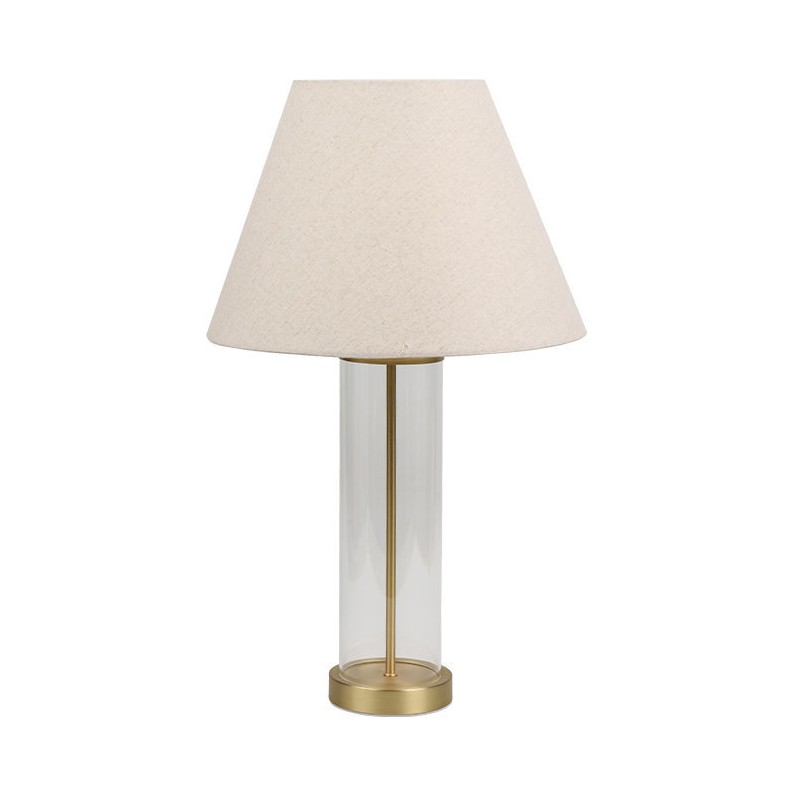
Two containers of the same decorative table lamp leave the same factory, and only the socket label changes: E27 for a German importer, E26 for a US w...
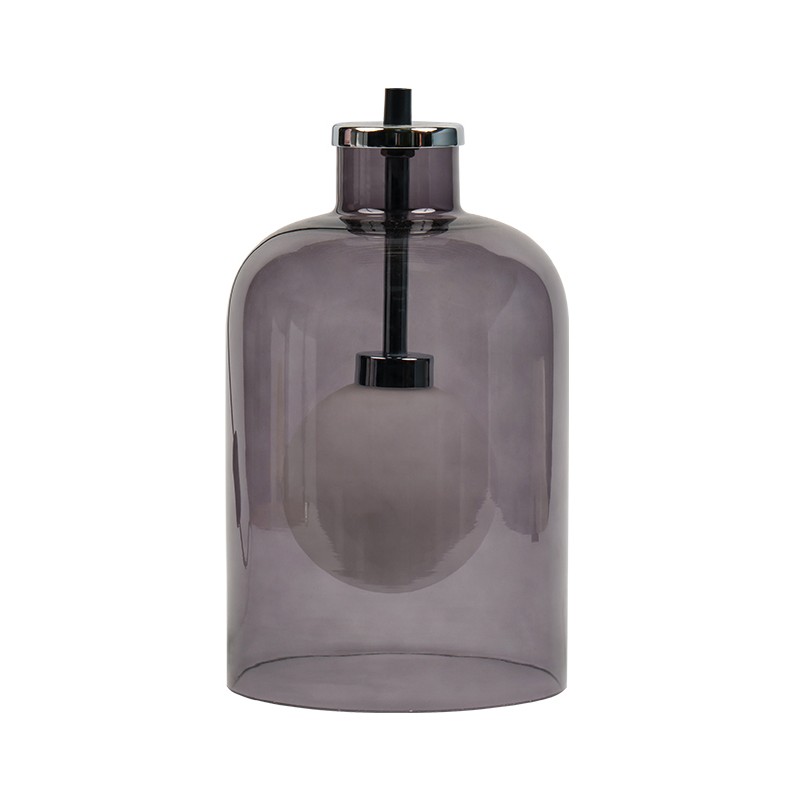
If a replacement lampshade arrives and will not sit straight, will not clear the bulb, or leans to one side, the fault is almost never the shade. It ...
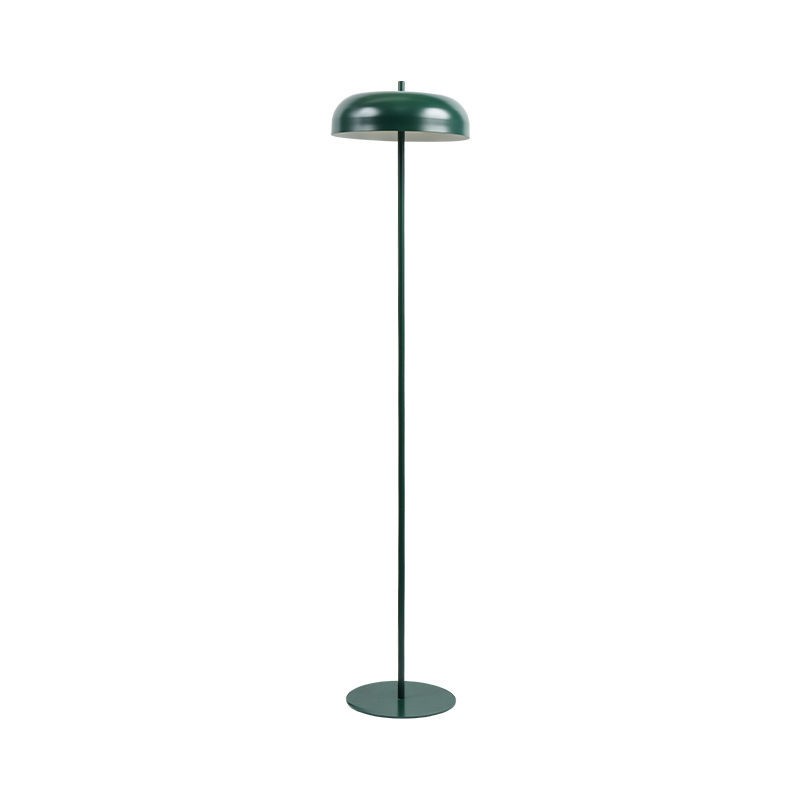
Imagine you are sourcing 2,000 lamps for a boutique hotel renovation, and the specification sheet only says "fluorescent lamp vs incandescent lamp." ...
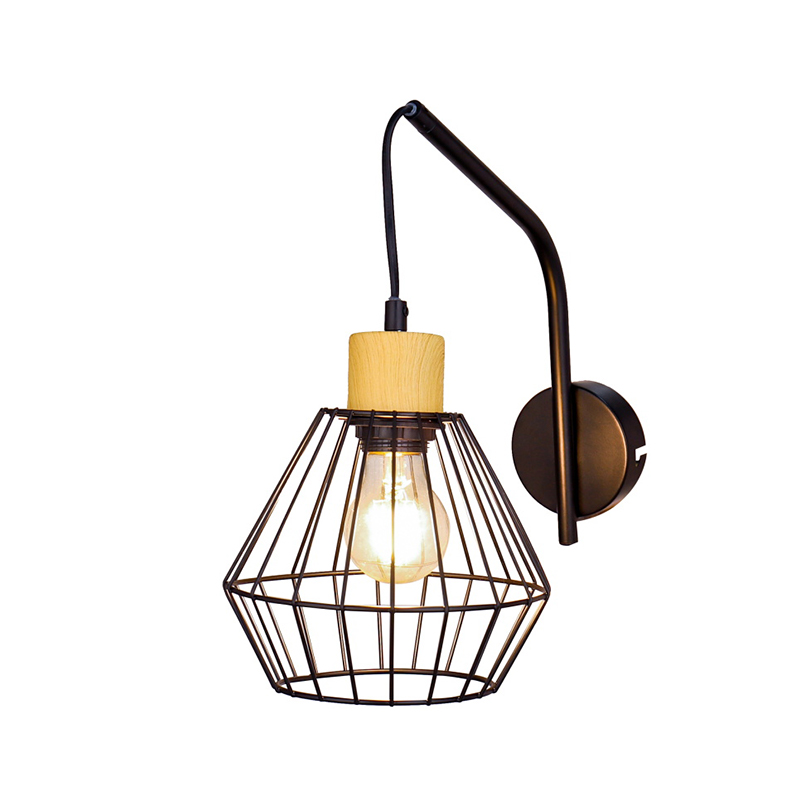

 No.11 Gongji South Road, Linshan Town, Yuyao City, Zhejiang Province, China
Copyright ? Yuyao Baolong Electrical Appliance Co., Ltd. All Rights Reserved. Wholesale Decoration Lamp Manufacturer Decoration Lamp Factory


bla@yybaolong.cn

+86-18868663339
+86-574-62067336