English
  中文简体
中文简体  Français
  Español
Fluorescent Lamp vs Incandescent Lamp: Efficiency, Cost, and Best Uses
Imagine you are sourcing 2,000 lamps for a boutique hotel renovation, and the specification sheet only says "fluorescent lamp vs incandescent lamp." ...
Conclusion: A decoration wall lamp is primarily used to enhance the visual appeal of interior spaces while providing focused ambient or task lighting — creating atmosphere, highlighting architectural features, and offering layered illumination that ceiling lights alone cannot achieve. Unlike purely functional lighting, a Decorative wall lamp combines form and function, serving as both a light source and an art piece. Whether used as a Wall lamp lighting decor element in living rooms, hallways, or bedrooms, these fixtures add depth, warmth, and character to any space. The growing popularity of Modern wall lamp designs has made them a staple in contemporary interior design.
Content
A Decorative wall lamp serves multiple purposes depending on placement and fixture type. The table below summarizes the most common applications.
| Room | Primary Use | Typical Mounting Height | Best Fixture Style |
|---|---|---|---|
| Living Room | Ambient + artwork accent | 150-170cm | Upward/downward adjustable |
| Bedroom | Reading light (bedside) | 110-130cm | Swing arm or directional |
| Hallway/Corridor | Wayfinding + visual interest | 180-200cm | Upward-only or wall washer |
| Bathroom | Task lighting (vanity mirror) | 150-160cm | Vertical sconces (both sides of mirror) |
Beyond these standard uses, a Decorative wall lamp can also highlight textured walls, frame a fireplace, or create a gallery effect along a long corridor.
Popularity of Wall Lamp Applications (Interior Design Survey, n=500)
Bedrooms and living rooms are the most common locations for decorative wall lamps
Understanding the unique role of Wall lamp lighting decor requires comparing it to other light sources.
A Modern wall lamp typically uses LED bulbs ranging from 2700K to 3000K for warm, inviting light — ideal for evening relaxation.
Selecting a Decorative wall lamp involves matching the fixture to both the room's function and its aesthetic. Consider these factors:
Light Direction Preference by Room Type (Designer Survey)
Light direction preference varies significantly by room function
Correct placement maximizes the effectiveness of any Decorative wall lamp. Follow these general guidelines:
For a cohesive Wall lamp lighting decor scheme, maintain consistent mounting heights across similar fixtures within the same visual field.
Professional lighting design uses three layers: ambient, task, and accent. A Modern wall lamp can serve any of these layers depending on selection and placement.
For optimal Decorative wall lamp performance, select bulbs with appropriate color temperature:
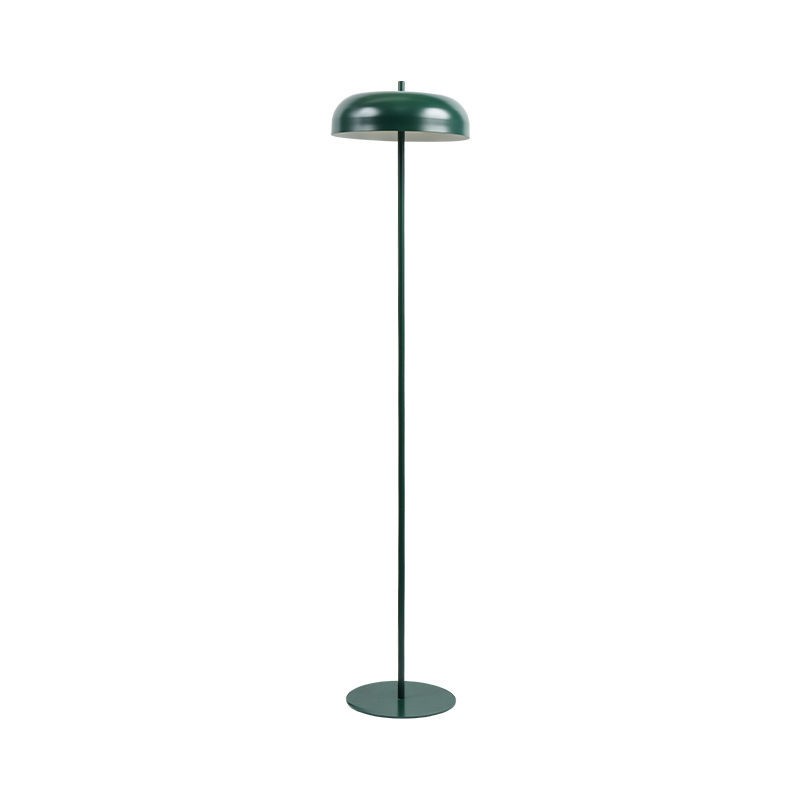
Imagine you are sourcing 2,000 lamps for a boutique hotel renovation, and the specification sheet only says "fluorescent lamp vs incandescent lamp." ...
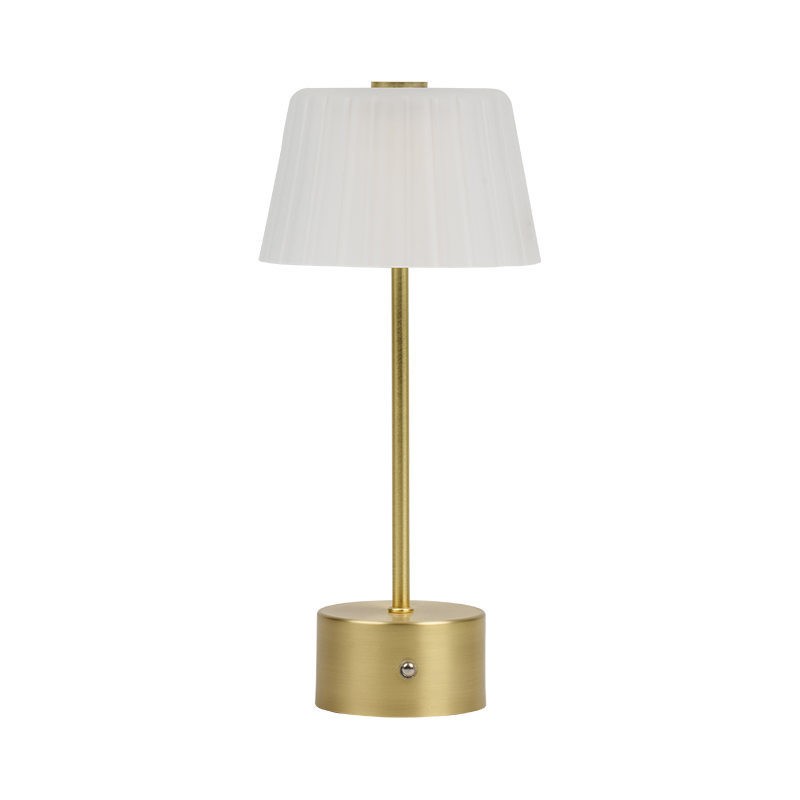
A restaurant operator in Sydney is lighting a courtyard terrace where the contractor never installed outdoor sockets. A hotel buyer needs bedside lam...
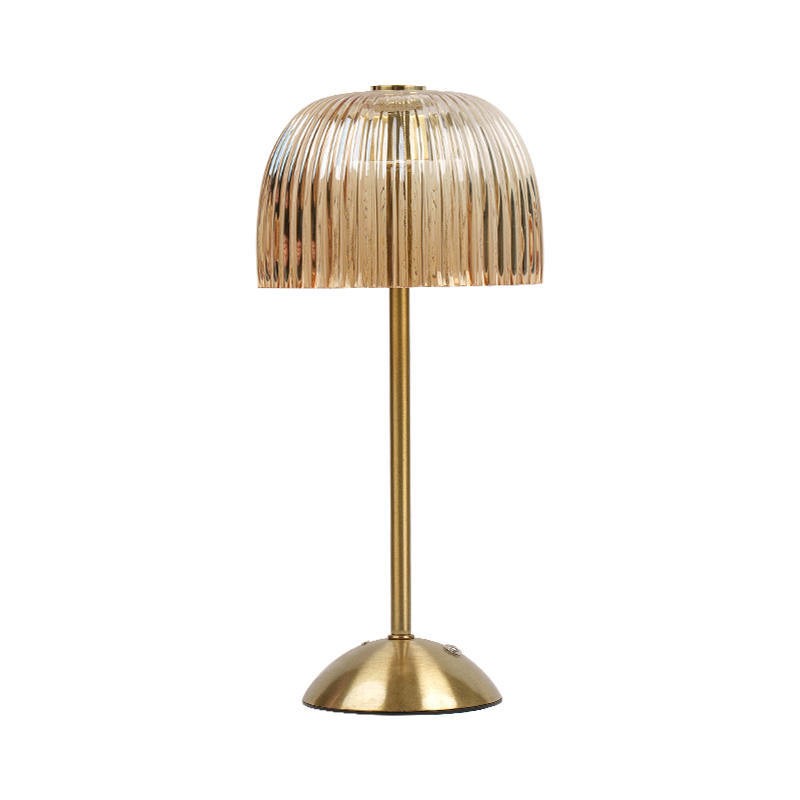
Why Cordless Table Lamps Rechargeable Models Are Gaining Traction in the Contract Lighting Market A cordless table lamp rechargeable design solves a ...
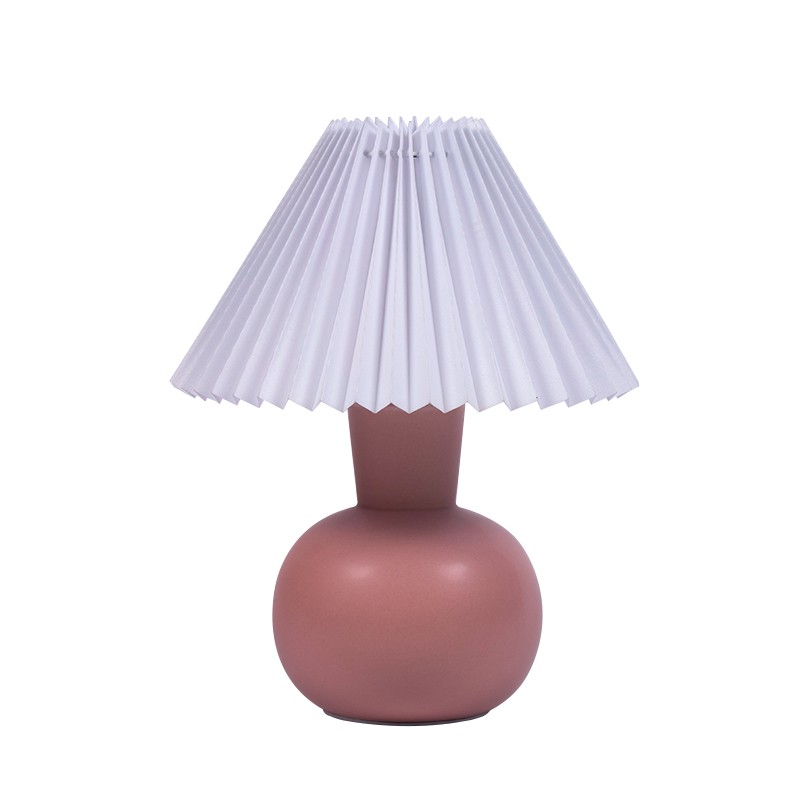
Every buyer who has sourced decorative lighting has met the same mismatch: the catalogue drawing looks right, the finish is approved, and then the sh...

 No.11 Gongji South Road, Linshan Town, Yuyao City, Zhejiang Province, China
Copyright ? Yuyao Baolong Electrical Appliance Co., Ltd. All Rights Reserved. Wholesale Decoration Lamp Manufacturer Decoration Lamp Factory


bla@yybaolong.cn

+86-18868663339
+86-574-62067336