English
  中文简体
中文简体  Français
  Español
Fluorescent Lamp vs Incandescent Lamp: Efficiency, Cost, and Best Uses
Imagine you are sourcing 2,000 lamps for a boutique hotel renovation, and the specification sheet only says "fluorescent lamp vs incandescent lamp." ...
Matching a decorative pendant lamp to your living room comes down to three decisions: scale, style, and light function. Choose a pendant whose diameter is roughly one-third the width of the surface below it, whose aesthetic echoes your existing furniture, and whose light output suits the activity in that zone. Get those three right and the lamp will feel like it was always meant to be there. Everything else — finish, cord length, shade material — is refinement.
This guide walks through every aspect of pendant lamp selection, from reading your room's style language to understanding mounting heights and layering light — so you can make a confident, well-informed choice.
Content
Unlike wall sconces or floor lamps, pendant lamps hang at eye level or just above it — directly within the sightline of anyone entering the room. This makes them one of the most influential design elements in any interior. A single well-chosen decorative pendant lamp can anchor a seating area, define a dining zone, or add vertical drama to a space that otherwise feels flat.
Interior design surveys consistently show that lighting is cited by over 70% of professional decorators as the most transformative single change a homeowner can make — and pendant lamps, because of their visibility and central placement, carry the most visual weight of any light fixture.
Beyond aesthetics, pendant lamps provide directed or diffused light that overhead recessed fixtures rarely match for warmth and intimacy. They perform double duty: decoration and illumination in one object.
Before browsing pendant lamps, identify your room's dominant design vocabulary. Most living rooms fall into one of five broad style families, each of which points toward a specific pendant lamp approach.
| Room Style | Pendant Form | Ideal Materials | Finish Palette |
|---|---|---|---|
| Modern / Minimalist | Geometric, clean lines | Spun metal, frosted glass | Matte black, brushed nickel |
| Scandinavian / Nordic | Soft dome, woven shade | Rattan, linen, light wood | White, natural, pale oak |
| Industrial / Loft | Exposed bulb, cage shade | Raw steel, aged brass | Gunmetal, rust, dark bronze |
| Mid-Century Modern | Sputnik, globe, cone | Enameled metal, glass | Brass, walnut, teal |
| Traditional / Classic | Bell shade, lantern form | Fabric shade, crystal | Antique brass, cream, gold |
If your room blends styles — for instance, a mid-century sofa paired with Scandinavian shelving — look for a pendant lamp that shares one characteristic with each element. A brushed brass dome with a linen shade, for example, bridges both worlds without committing too strongly to either.
Living rooms are rarely single-purpose spaces. Most contain at least two activity zones — a seating conversation area and perhaps a reading nook, home office corner, or dining-adjacent space. Each zone benefits from a different pendant lamp approach.
This is the most common pendant placement in a living room. A single large pendant — typically 40–60 cm in diameter for standard rooms — hung 150–160 cm from the floor creates a visual anchor without obstructing sightlines. Multi-pendant cluster arrangements work well in lofts or rooms with high ceilings above 3 meters.
In open-plan layouts, pendant lamps serve a zoning function as much as a lighting one. Hanging two or three smaller pendants in a row over the dining table — typically 70–75 cm above the tabletop — visually separates the dining area from the lounge without physical barriers. Choose a finish that appears in both zones to maintain cohesion.
A slender pendant with a focused downlight in a corner reading area provides task lighting while adding a sense of private intimacy. Adjustable-cord pendants are particularly useful here, as cord length can be tuned precisely to the chair or daybed below.
The bedroom calls for pendant lamps that balance atmosphere with practicality. Decorative pendant lamps for bedrooms serve a different function than living room fixtures — they need to provide soft, restful light while contributing to a sense of calm and sanctuary.
Hanging a pendant lamp on either side of the bed in place of bedside table lamps is one of the most practical bedroom lighting upgrades available. It frees up surface space on nightstands and allows cord length to be calibrated precisely to the bed height — typically 40–50 cm above the mattress surface for comfortable reading without glare.
In bedrooms with a ceiling height of 2.7 meters or more, a central decorative pendant lamp with a diffusing fabric or frosted glass shade creates a gentle ambient glow. Avoid pendants with open downlights in bedrooms — light directed into the eyes when lying down causes discomfort and disrupts relaxation.
For bedrooms, a color temperature of 2700K–3000K (warm white) is widely recommended by lighting designers. This range supports natural melatonin production in the evening, making it easier to wind down. Avoid cool-white or daylight bulbs (4000K+) in bedroom pendants — they stimulate alertness rather than relaxation.
Incorrect sizing is the most common pendant lamp mistake. A fixture that is too small disappears visually; one that is too large overwhelms the space. Two simple formulas help:
Ceiling height also affects apparent size. In rooms with ceilings above 3 meters, larger-scale pendants or multi-pendant arrangements help prevent the fixture from appearing lost in the vertical space.
The shade material directly determines how light behaves in the room — whether it spreads softly, casts dramatic downward pools, or filters through with a warm glow. Understanding this helps narrow choices considerably.
| Shade Material | Light Effect | Room Mood | Best Suited For |
|---|---|---|---|
| Linen / Fabric | Warm, diffused glow | Cozy, intimate | Bedrooms, living rooms |
| Frosted Glass | Even, milky light | Clean, serene | Modern kitchens, bathrooms |
| Clear Glass | Focused, sparkle | Bright, airy | Dining, kitchen islands |
| Metal (opaque) | Directed downlight | Dramatic, focused | Task zones, bars, studios |
| Rattan / Woven | Patterned, dappled | Organic, relaxed | Boho, coastal, Japandi |
For living rooms where ambiance is the primary goal, fabric and rattan shades tend to be the most forgiving choices — they soften light in a way that flatters faces and furnishings alike. Metal pendants work best when task illumination is also needed.
A pendant lamp rarely works alone in a well-designed room. Professional lighting design follows the principle of layered lighting: ambient, task, and accent sources used in combination. A pendant typically covers the ambient layer — general illumination for the room — while floor lamps, table lamps, and wall sconces fill the task and accent layers.
In a living room, a common layering strategy looks like this:
The key is dimmability. When all layers can be adjusted independently, a single room can transition from bright and functional during the day to soft and atmospheric in the evening — with the pendant lamp usually doing the most work to set the overall tone.
Even well-intentioned pendant lamp selections can underperform if a few common errors are not avoided:
Established in 2010, Yuyao Baolong Electrical Appliance Co., Ltd. is a professional manufacturer and exporter specializing in lighting design, development, and production. Located in Yuyao City with convenient access to major transportation routes, the company covers 6,500 square meters and employs over 130 people, with annual sales exceeding $6 million USD.
As a professional wholesale decoration lamp manufacturer and decoration lamp factory, Baolong's product range covers table lamps, floor lamps, and ceiling lamps — with strong market presence in Australia, Europe, and the United States. All products meet international quality standards, and many carry CE, ERP, and RoHS safety certifications.
The company welcomes inquiries for both OEM and ODM orders and is actively building long-term partnerships with clients around the world. If you are interested in any of our products or would like to discuss a custom order, feel free to reach out — we look forward to working with new clients globally.
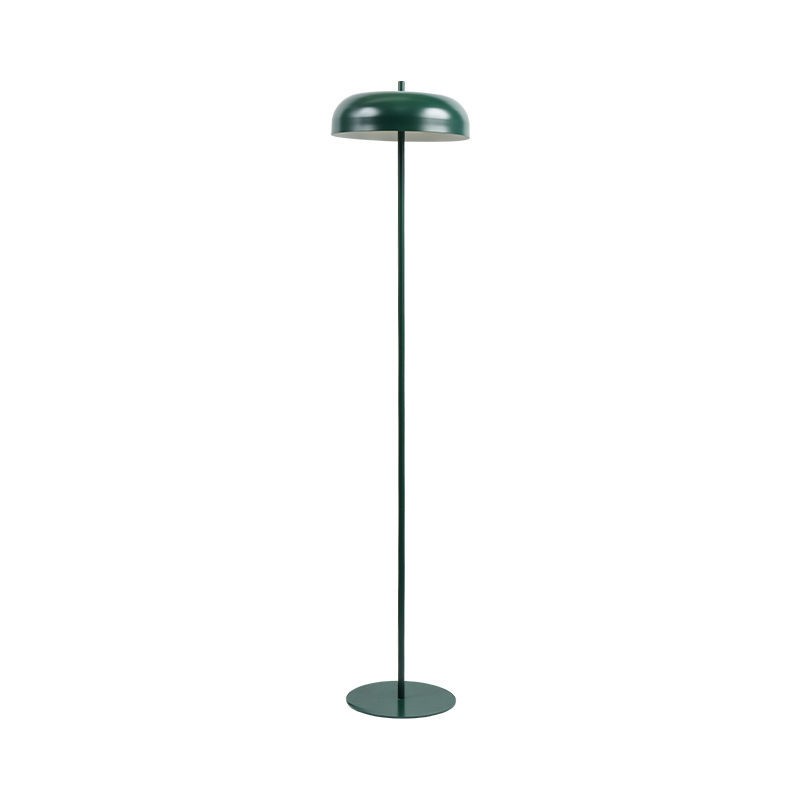
Imagine you are sourcing 2,000 lamps for a boutique hotel renovation, and the specification sheet only says "fluorescent lamp vs incandescent lamp." ...
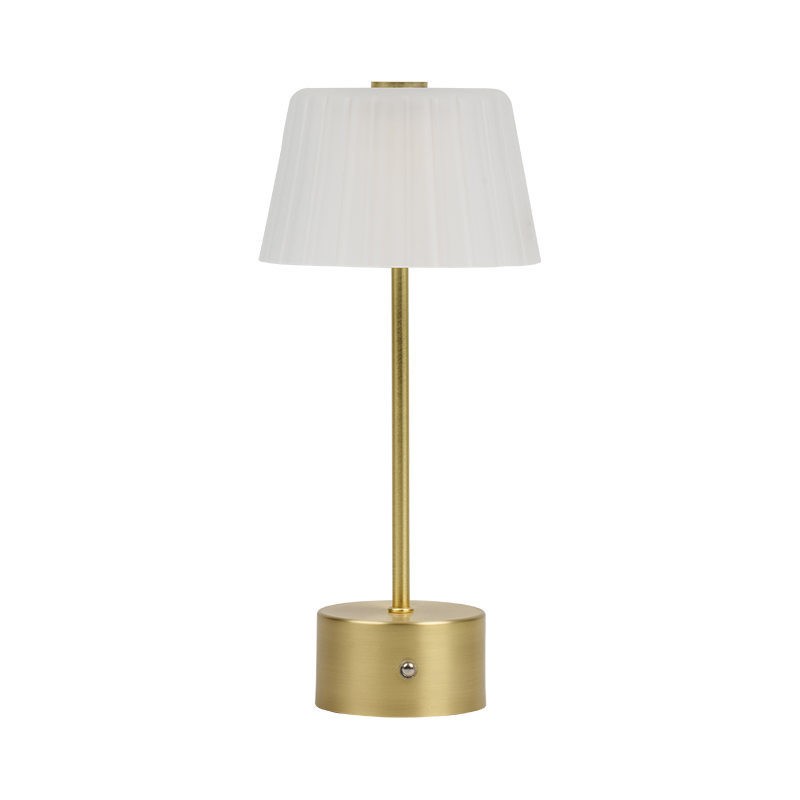
A restaurant operator in Sydney is lighting a courtyard terrace where the contractor never installed outdoor sockets. A hotel buyer needs bedside lam...
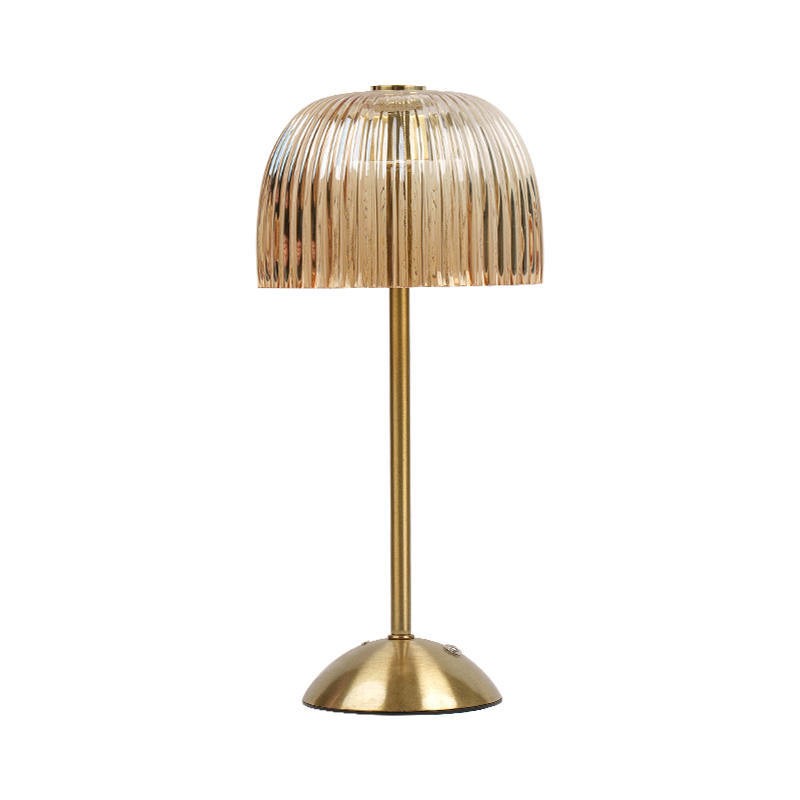
Why Cordless Table Lamps Rechargeable Models Are Gaining Traction in the Contract Lighting Market A cordless table lamp rechargeable design solves a ...
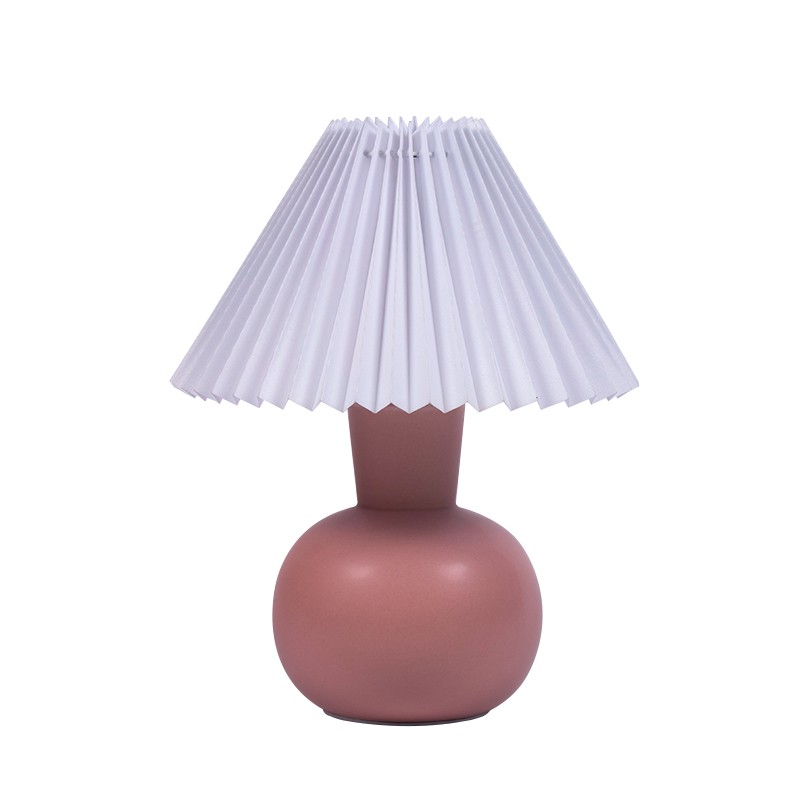
Every buyer who has sourced decorative lighting has met the same mismatch: the catalogue drawing looks right, the finish is approved, and then the sh...

 No.11 Gongji South Road, Linshan Town, Yuyao City, Zhejiang Province, China
Copyright ? Yuyao Baolong Electrical Appliance Co., Ltd. All Rights Reserved. Wholesale Decoration Lamp Manufacturer Decoration Lamp Factory


bla@yybaolong.cn

+86-18868663339
+86-574-62067336