English
  中文简体
中文简体  Français
  Español
Lamp Shade Types Explained: A Practical Sourcing Guide for B2B Importers
An importer in Rotterdam opens a container of 3,000 bedside lamps and finds 180 cracked glass shades. The bases are fine, the wiring passed inspectio...
Content
Working with a dedicated DIY lamp factory gives product developers, interior brands, and wholesale buyers direct access to customizable designs, flexible production volumes, and full-cycle manufacturing support — without the overhead of managing multiple suppliers. The most immediate benefit is design freedom: a qualified factory can take a sketch, mood board, or sample reference and translate it into a production-ready lamp with custom materials, finishes, and electrical configurations. Beyond design, partnering with a factory that specializes in diy lamp factory services eliminates the coordination friction between design, prototyping, certification, and shipment that buyers encounter when sourcing components separately.
In practical terms, manufacturers that offer both OEM and ODM services reduce total project timelines by 30–50% compared to multi-vendor approaches, while giving buyers consolidated quality accountability and a single point of contact from initial concept to container loading.
The defining advantage of a custom diy lamp factory supplier over a standard wholesale catalog supplier is the ability to modify every element of the product rather than choosing from pre-fixed SKUs. Customizable parameters typically include:
This level of customization enables buyers to build a product range that is coherent with their brand aesthetic rather than assembled from generic components. For interior design-led brands and online furniture retailers, differentiated product design is a direct competitive advantage — and a factory that supports full customization is the infrastructure that makes it possible.
| Parameter | OEM Service | ODM Service |
|---|---|---|
| Design Origin | Buyer provides design | Factory develops design |
| Buyer Input Required | Full technical drawings | Brief / mood board |
| Time to Prototype | 15–25 days | 20–35 days |
| Branding Flexibility | Full private label | Full private label |
| Best For | Established brands with in-house design | Buyers developing new product lines |
One of the most practical benefits of working with a batch diy lamp production factory is the ability to scale order volumes up or down without switching suppliers or renegotiating tooling costs at every step. A factory with mature production infrastructure supports:
Factories covering 6,500 square meters or more with over 100 production staff can typically maintain consistent quality across all batch sizes because tooling, jigs, and process controls are established at the prototype stage and carried forward unchanged into full production. This consistency is critical for buyers supplying retail chains, where cosmetic and dimensional variation between delivery batches is not acceptable.
Selling lamps in Australia, Europe, or North America requires market-specific electrical safety certifications. Buyers sourcing through a factory that has already obtained relevant certifications avoid the cost and delay of independent third-party testing for each new product. The certifications most relevant to lighting products in major export markets are:
When a factory maintains active CE, ERP, and RoHS certification across its product range, buyers can typically use the factory's test reports as the basis for their own product declarations, significantly reducing documentation workload. This can save 4–8 weeks in market-entry timelines for buyers introducing products in regulated markets for the first time.
The term "diy lamp factory services" encompasses a broader scope than manufacturing alone. A full-service factory partner supports the buyer at every stage of the product lifecycle:
Factory design teams assist with material selection, proportion review, and electrical engineering to ensure that buyer concepts are both aesthetically viable and manufacturable within target cost parameters. This is particularly valuable for buyers developing a lamp concept without in-house product engineering capability.
Before any production commitment, the factory produces a physical sample for the buyer's review and approval. Multiple revision rounds are standard, with modifications to finish, proportion, or electrical components incorporated between rounds. This stage eliminates the largest source of post-production disputes: product not matching buyer expectations.
Inline quality inspection at key assembly stages — shade attachment, wiring, socket seating, finish inspection — is standard practice in factories producing for export markets. Final inspection checks each unit against the approved sample before packaging. Buyers can also commission independent third-party inspection if needed for high-value orders.
Custom-printed retail packaging, inner carton design for drop-ship compliance, and master carton configuration for sea freight are all part of the service scope. Export documentation — commercial invoice, packing list, certificate of origin — is prepared by the factory's logistics team to meet the import requirements of the destination country.
Different sales channels have distinct product and supply chain requirements. Understanding which channels align with factory-direct sourcing helps buyers position their investment correctly:
| Sales Channel | Volume Requirement | Certification Need | Customization Value |
|---|---|---|---|
| Online Marketplace (e-commerce) | Low–Medium (50–500) | Medium | High |
| Retail Chain / Department Store | High (500+) | High | Medium |
| Interior Design / Contract | Low–Medium (10–200) | Medium | Very High |
| Wholesale / Distributor | High (1,000+) | High | Low–Medium |
| Private Label Brand | Medium (200–1,000) | High | Very High |
The Australian, European, and US markets — where decorative table lamps, floor lamps, and ceiling lamps from factory-direct suppliers sell consistently — demand both design differentiation and compliance documentation. A factory with active export experience in these markets reduces the buyer's compliance risk significantly.
Not all factories that describe themselves as a custom diy lamp factory supplier offer equivalent capabilities. Before committing to a manufacturing partnership, evaluate the following:
Yuyao Baolong Electrical Appliance Co., Ltd. was established in 2010 as a professional manufacturer and exporter focused on lighting design, development, and production. Located in Yuyao City with convenient transportation access, the company operates across a facility of 6,500 square meters with a team of over 130 employees and achieves annual sales of over $6 million.
As a professional wholesale decoration lamp manufacturer and decoration lamp factory, Yuyao Baolong's product range includes table lamps, floor lamps, and ceiling lamps that are well established in the Australian, European, and US markets. All products meet international quality standards, with CE, ERP, and RoHS certifications across the core product range.
The company operates as a comprehensive diy lamp factory services partner, supporting both OEM and ODM orders — from initial design consultation through prototyping, batch diy lamp production factory runs, and export-ready packaging. Buyers interested in building a private-label lighting range or developing a new lamp concept are welcome to reach out to explore custom production and new business partnerships.
Q1: What is the typical minimum order quantity for a custom DIY lamp design?
MOQ varies by product complexity and material, but many factories accept trial runs from 50 to 200 units for new custom designs. After a successful trial run, reorders typically have a lower MOQ as tooling and process controls are already in place.
Q2: How long does it take from design brief to first production sample?
For a new ODM design, sample production typically takes 20–35 days from design confirmation. OEM orders with buyer-supplied drawings may have shorter timelines of 15–25 days. Revision rounds add 7–14 days per round depending on the scope of changes.
Q3: Are CE and RoHS certificates transferable to my own private label product?
Factory test reports can typically be used as the basis for your own Declaration of Conformity (DoC) if the product configuration is unchanged. However, if you modify the design, wiring, or components from the tested version, new testing is required. Confirm this with the factory and, if needed, an EU-authorized representative for formal compliance.
Q4: Can a factory produce both 110V and 220–240V versions of the same lamp design?
Yes. Dual-voltage production is standard practice for factories exporting to multiple markets. The lamp body, shade, and finish remain identical; the cord set, socket, and any driver components are swapped for the appropriate voltage market. Confirm this when placing the order to ensure the correct version is produced for each destination.
Q5: What is the difference between a DIY lamp kit and a fully assembled lamp in factory production?
A DIY lamp kit is shipped as pre-cut, pre-drilled components with hardware and instructions for end-user assembly — popular for e-commerce and gift retail. A fully assembled lamp is quality-inspected and ready for direct retail display. Factories supporting batch diy lamp production factory services can produce both formats from the same design, giving buyers flexibility to serve different retail channels with the same product.
Q6: How is quality consistency maintained across large production batches?
Reputable factories use the approved first-article sample as the benchmark for all subsequent production. Inline QC checkpoints monitor finish, dimensions, and electrical assembly at key stages. A pre-shipment inspection — either factory-conducted or third-party — compares finished goods against the approved sample before container loading. Request a copy of the QC checklist before placing a large order.
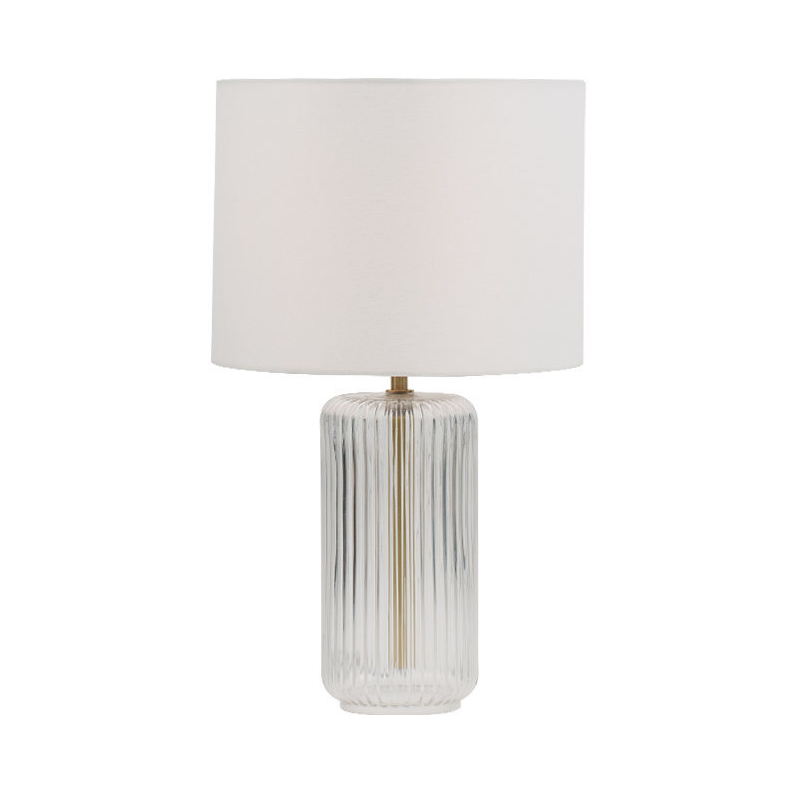
An importer in Rotterdam opens a container of 3,000 bedside lamps and finds 180 cracked glass shades. The bases are fine, the wiring passed inspectio...
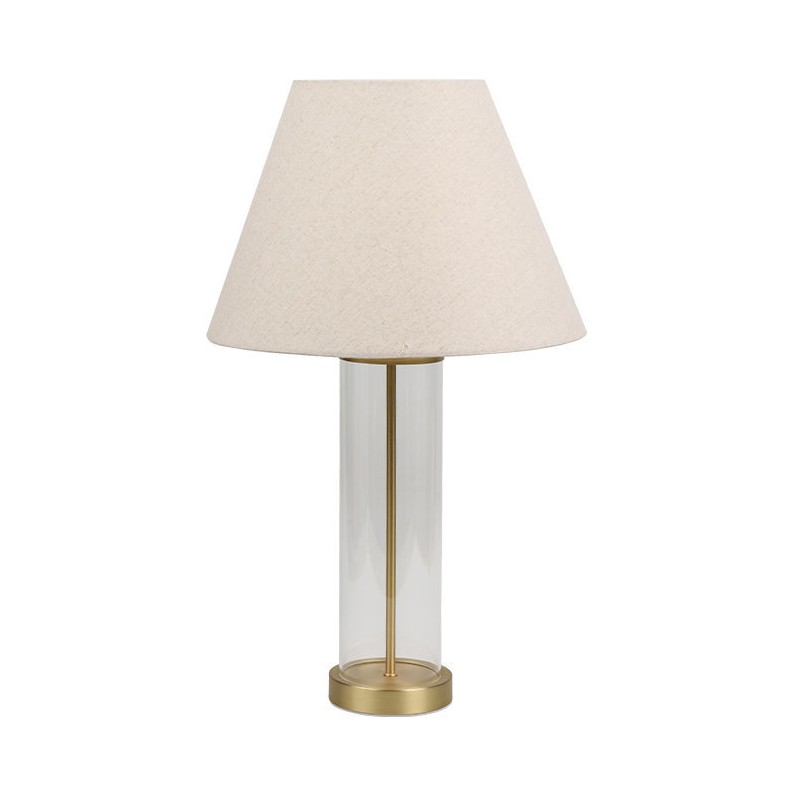
Two containers of the same decorative table lamp leave the same factory, and only the socket label changes: E27 for a German importer, E26 for a US w...
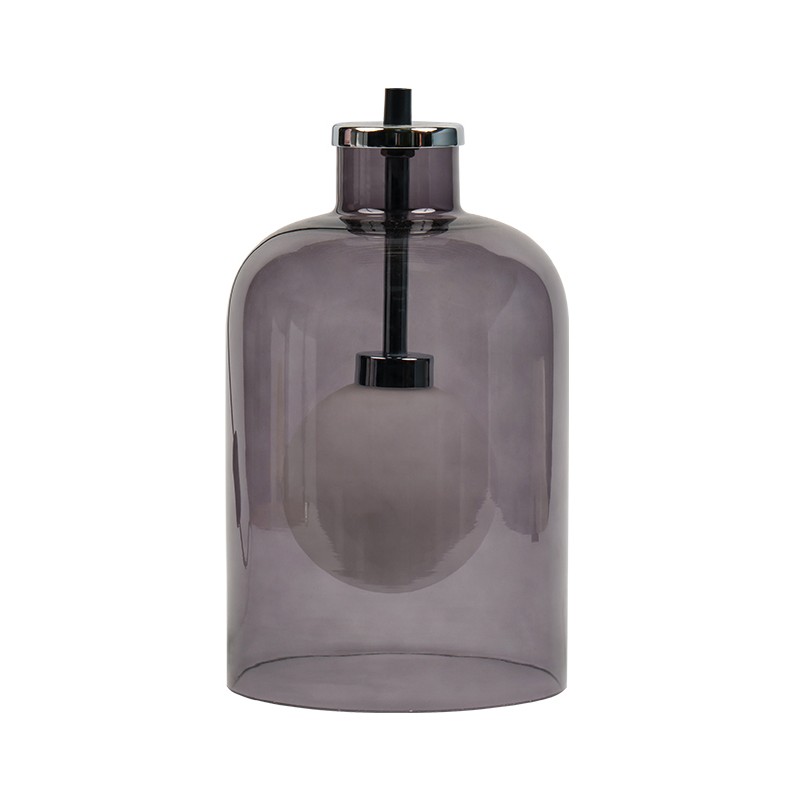
If a replacement lampshade arrives and will not sit straight, will not clear the bulb, or leans to one side, the fault is almost never the shade. It ...
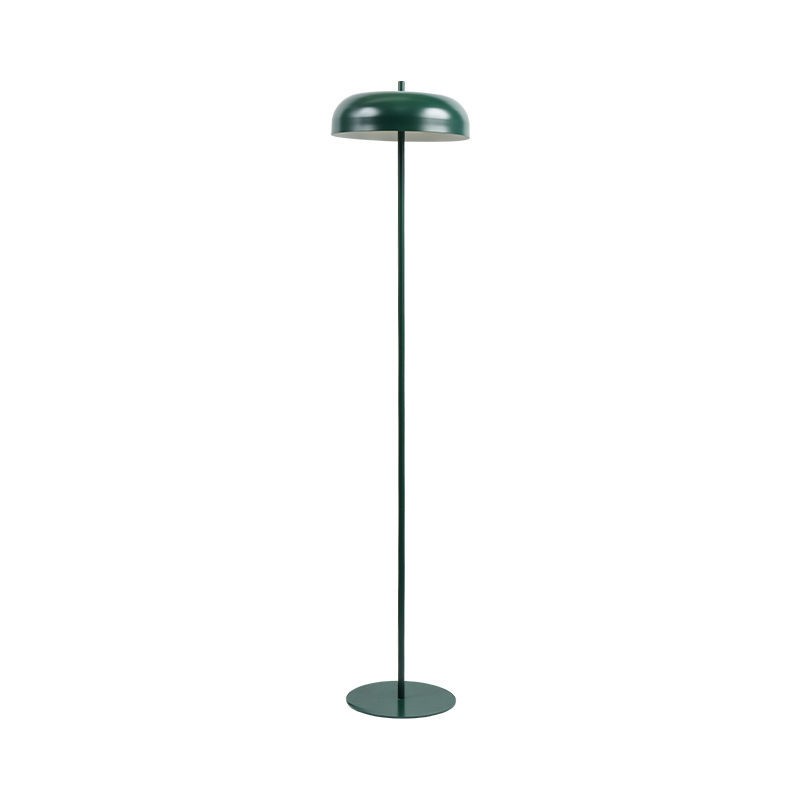
Imagine you are sourcing 2,000 lamps for a boutique hotel renovation, and the specification sheet only says "fluorescent lamp vs incandescent lamp." ...

 No.11 Gongji South Road, Linshan Town, Yuyao City, Zhejiang Province, China
Copyright ? Yuyao Baolong Electrical Appliance Co., Ltd. All Rights Reserved. Wholesale Decoration Lamp Manufacturer Decoration Lamp Factory


bla@yybaolong.cn

+86-18868663339
+86-574-62067336