English
 中文简体
 Français
 Español

Lamp Shade Fittings Explained: Spider, Uno, Clip-On, Euro and Duplex Types
Why a 2 mm Fitting Error Can Stop a Container A European wholesaler approved a 500-piece table lamp order from a photo. The shade looked right, the c...
Content
A European wholesaler approved a 500-piece table lamp order from a photo. The shade looked right, the ceramic base matched the sample, and the carton passed a drop test. Two weeks before shipment, the factory found that the shade would not sit flat. The spider washer was 1.5 mm too wide for the harp, and the finial thread was shorter than the drawing. The issue was not the shade colour or the ceramic glaze. It was the fitting. When buyers compare types of lamp shade fittings, the useful question is not only "spider or uno?" but "which socket holder, ring, harp, and finial work together as one assembly?" A small mismatch can stop a container because the shade, socket, and packaging are approved against different assumptions. The practical answer is to lock the fitting system before the first shade sample is signed.
The same risk appears in pendant programs. A 40 mm ring may fit one E27 holder and bind on another because the holder shoulder is deeper. A clip-on shade may grip a candle bulb in the sample room and slip on a production bulb with a different coating. These are not rare factory errors. They are normal outcomes when the fitting is treated as a catalogue note instead of a controlled part.
Lock the fitting, ring size, and socket holder on one drawing before you approve the shade sample.
A lamp shade fitting, often called a fitter, is the mechanical interface between the shade and the lamp. It does four jobs at once. It centres the shade over the light source, carries the weight of the shade, keeps the shade away from hot parts, and sets the visual height and angle. If one of those jobs fails, the lamp may still light up, but the product will feel wrong in the showroom and generate returns in the market.
This is why a fitting cannot be chosen from a photo alone. The same fabric shade can be built with a spider, an uno ring, or a clip-on frame, and each version needs a different lamp holder. For a manufacturer, the fitting is also a packaging decision. A loose finial in a carton is a missing part on site. A shade ring that is packed under pressure can arrive out of round.
In procurement language, the fitting is a controlled interface. It should appear on the bill of materials, the assembly drawing, the inspection sheet, and the spare-parts list. When a wholesaler asks for a "standard shade", the supplier should ask which socket, which ring, and which lamp family the shade will serve.
A fitting is a mechanical interface, not a cosmetic accessory, so it belongs in the approval drawing.
Most decorative lamps use one of five fitting families. The names vary by market, and some suppliers use "fitter" and "fitting" interchangeably. The table below gives the working differences that matter to a buyer, not just the names.
| Fitting type | How it mounts | Typical use | Main check |
|---|---|---|---|
| Spider and harp | A four-arm spider sits on a harp; a finial locks the shade | Table and floor lamps with fabric shades | Harp height, spread, washer, and finial thread |
| Uno | An inner ring threads onto a socket adapter | Bedside, hotel, and compact table lamps | Adapter diameter, ring depth, and socket type |
| Clip-on | Spring clips grip the bulb or candle sleeve | Chandeliers, night lights, and small shades | Clip tension, bulb shape, and heat rating |
| Euro or duplex | A carrier ring sits over the socket; a shade ring secures it | Pendants and UK or EU table lamps | 29 mm or 40 mm ring, gimbal type, and thread relief |
| Gimbal or adapter | A tilt ring or adapter changes angle or ring size | Pendants, retrofits, and sloped ceilings | Ring size, tilt lock, and adapter fit |
| Fixed carrier or base fitting | The shade mounts to a fixed carrier on the base or holder | Decorative and custom lamps | Carrier height, screw pattern, and shade weight |
The spider and harp system is the most familiar fitting for table and floor lamps. The spider is built into the shade, and its centre washer drops over the harp. A finial holds the shade down. It is easy to assemble and easy for the end user to remove for cleaning. The weak point is the number of small parts. Harp height, harp spread, washer size, and finial thread all have to agree. If the harp is too tall, the shade floats above the socket. If it is too short, the shade can touch the bulb holder.
An uno fitting mounts the shade directly to the socket or to a socket adapter. It removes the harp from the assembly and gives a compact look. This is useful on hotel bedside lamps and small table lamps where space is tight. The risk is hidden compatibility. The inner ring may fit one socket adapter and not another, even when both are sold as E27 or E14. The shade can also sit too low if the adapter depth is not checked.
Clip-on shades are common on chandeliers, night lights, and small decorative lamps. They are quick to fit and need no harp or ring. The trade-off is heat and grip. A clip that is too loose will slide down the bulb. A clip that is too tight can chip the bulb coating or make the shade hard to remove. The bulb shape matters as much as the clip, because a candle bulb and a globe bulb present different grip surfaces.
Euro and duplex fittings are common in pendant and UK or EU table lamp programs. The shade has a carrier ring that sits over the socket, and a separate shade ring secures it. Common nominal references include 29 mm and 40 mm rings, but the holder shoulder and thread relief still need checking. A duplex or gimbal version adds a tilt function, which is useful when the shade must sit level on a sloped ceiling or when the lamp base is not perfectly vertical.
Gimbal rings allow the shade to tilt without loosening the main ring. Small and large versions exist, and adapter rings can change one size to another. These parts solve real installation problems, but they also create spare-part risk. If an adapter is missing from the carton, the installer may force the shade onto the socket. That can cross-thread the ring or crack the carrier.
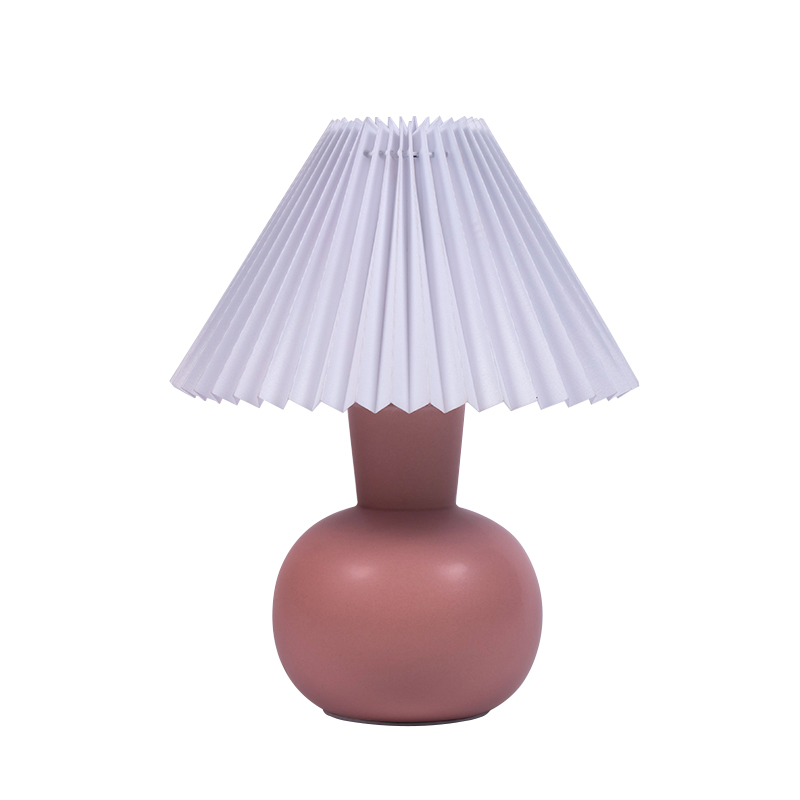 Pleated Lampshade Ceramic-Style Bedside Table LampA soft white pleated shade and dark brown ceramic-like base make this bedside lamp worth reviewing when balancing shade fit, installation, and spare-part checks.View Product →
Choose the fitting family first, then confirm the small parts that make that family work.
Fitting sizes are often written as nominal figures. A 40 mm ring is not a guarantee that every 40 mm holder will accept it. The holder shoulder, the ring thickness, the thread start, and the finish all affect the fit. For a buyer, the safest method is to approve a gauge sample and keep it with the purchase order.
| Interface | Common nominal reference | Measure at approval | Failure if wrong |
|---|---|---|---|
| E14 small shade ring | 29 mm carrier ring | Ring inner diameter and holder shoulder | Shade sits low or cross-threads |
| E27 large shade ring | 40 mm carrier ring | Ring inner diameter and thread relief | Wobble, gap, or cracked ring |
| B22 bayonet holder | 29 mm carrier ring, confirm holder | Holder shoulder and ring seat | Shade not square |
| Uno adapter | Match socket adapter | Inner ring depth and adapter diameter | Shade touches bulb or loosens |
| Harp | Height and spread | Saddle fit, top washer, and finial thread | Shade too high, low, or loose |
| Clip-on | Bulb grip | Clip opening, bulb shape, and heat | Clip slips or scorches shade |
A tolerance of 0.5 mm can be enough to change the feel of a lamp. On a metal ring, a tight fit may damage the paint during assembly. On a plastic adapter, a loose fit may cause the shade to tilt after a few weeks. For export orders, the inspection should include a fit test with the actual socket holder, not a generic gauge that stays in the sample room.
Threads also deserve attention. Finials, shade rings, and adapters may use different thread forms across suppliers. A finial that starts easily by hand but binds at the last turn will slow assembly and increase rework. A ring that crosses threads on the production line may pass a visual check and still fail in the field.
Approve a physical gauge sample, not a nominal size on a spec sheet.
The application decides the fitting more than the shade style does. A large fabric shade on a floor lamp needs support and stability. A pendant shade needs a clean ring and a square seat. A hotel bedside lamp needs a compact interface that is easy to clean. The two-column table below gives a practical starting point.
Table and floor lamps
|
Pendants and wall lights
|
For a table lamp, the visual height of the shade is part of the product design. A harp that is 10 mm too tall can make a bedside lamp look unstable. For a pendant, the ring is part of the installation. If the ring does not sit flat, the shade will hang at an angle even when the ceiling is level. For a wall light, the fitting must also clear the wall and the bulb. A shade that looks correct in a drawing can touch the wall once the lamp is mounted.
Material choice follows the same logic. Steel and zinc alloy are common for structural parts because they hold shape. Brass can be specified for finish and corrosion resistance. Plastic adapters can be useful for low-cost retrofit kits, but they need heat and load testing. The finish should be specified with the fitting, because a black ring and a nickel ring may have different tolerances after coating.
 OEM/ODM Metal Swing Arm Bedside Lamp with Marble BaseA curved shade and polished white marble base offer a material-focused bedside option when matching fitting choices to the lamp’s installation method.View Product →
Match the fitting to the lamp's installation method, not only to the shade's appearance.
Two fittings can look similar in a catalogue and behave very differently on the line. The comparison below uses qualitative ratings because labour rates and order volumes vary by factory. The aim is to show where cost and risk usually sit.
| Fitting | Assembly steps | Tooling and cost | Common after-sales issue | Best fit |
|---|---|---|---|---|
| Spider and harp | 4 to 5 | Medium | Missing finial or washer | Large fabric shades |
| Uno | 3 to 4 | Low to medium | Adapter mismatch | Hotel and compact lamps |
| Clip-on | 2 to 3 | Low | Clip fatigue or slip | Chandeliers and small shades |
| Euro or duplex | 3 to 4 | Medium | Ring cross-thread | Pendant programs |
| Gimbal or adapter | 4 to 5 | Medium to high | Tilt lock loose | Retrofit and sloped ceilings |
| Fixed carrier | 3 to 5 | Medium | Carrier height wrong | Custom decorative lamps |
The lowest part cost is not always the lowest total cost. A clip-on shade may save a harp and a finial, but a weak clip can create returns. An uno fitting may look simple, but a missing adapter can stop an installation. A spider and harp assembly has more parts, yet the parts are visible and easy to replace. For a wholesaler, the spare-parts ratio should follow the fitting mix, not the product price alone.
Packaging changes the comparison too. Spiders and harps need protected top space. Shade rings should not carry the weight of the carton. Clip-on shades need a rigid insert so the clips do not deform in transit. A factory that understands these details can reduce damage without adding expensive material.
 Three-Legged Woven Shade Metal Floor LampA three-leg metal base and beige woven shade make this floor lamp relevant when weighing protected packaging and total landed risk for decorative lighting.View Product →
Compare total landed risk, not just the cost of the metal ring.
Procurement teams often ask for a single fitting across a mixed order. The request sounds simple, but table lamps, pendants, and wall lights usually need different interfaces. A single SKU can hide several socket holders and shade rings inside the same carton. The chart below uses an illustrative 1,000-piece mixed program to show how fitting demand often splits. Use it as a planning aid, not as market data.
Illustrative planning mix for a 1,000-piece mixed decorative lighting order
Spider and harp assemblies take the largest share in many decorative table and floor lamp programs because they support larger fabric shades and allow quick shade changes. That share comes with a handling cost: the harp, saddle, finial, and spider washer must all match. Uno fittings look simpler at the shade level, but the socket adapter and inner ring still need gauging. Clip-on shades reduce metal parts, yet they put more heat and mechanical stress near the bulb. Euro and duplex rings dominate where pendant shades must sit square to a ceiling, and a gimbal adds tilt without loosening the ring. The 5 percent gimbal and adapter share is small, but it causes a disproportionate number of after-sales questions when adapters are missing. A buyer can use this mix to set spare-part ratios: if spider fittings are 42 percent of the order, spare finials and washers should not be zero. The same logic applies to clip-on shades, where replacement clips are often requested after installation. For a wholesaler, the chart also shows why one universal shade is a weak promise. The fitting mix should be frozen at the quotation stage, then checked against the socket holder, shade ring, and packaging plan. Finally, the percentages should be recalculated for each market, because pendant-heavy programs shift demand toward Euro and duplex rings.
Use the fitting mix to plan spare parts, inspection points, and carton labels, not just to estimate cost.
Fitting maintenance is simple, but it needs to be written into the care instructions. Most failures come from loose small parts, not from the shade itself. A finial that is hand-tight at the factory can loosen after a few months of cleaning. A clip that feels firm on a sample bulb can relax when the lamp runs hot.
For a supplier, maintenance data is also a design input. If a market reports repeated clip fatigue, the clip material or shape may need review. If a hotel project reports missing finials, the packaging may need a blister card or a small parts bag. These changes are usually cheaper than a return shipment.
Replacement shades deserve a clear fitting code. A shade sold as a spare part should state the fitting type, ring size, and compatible socket. Without that code, the end user may order a shade that looks correct and cannot be installed. The same code helps the wholesaler keep the right stock in the right warehouse.
Write the fitting code on the shade label so a replacement can be ordered without guessing.
A fitting problem is usually a communication problem before it becomes a production problem. The checklist below is written for importers, wholesalers, and private-label buyers who order from a lighting manufacturer or supplier. It also applies to OEM and ODM projects where the shade is custom but the socket holder is fixed.
For a private-label programme, the fitting is often the part that makes the product feel proprietary. A custom shade ring, a branded finial, or a specific gimbal can differentiate the lamp without changing the whole design. That advantage disappears if the fitting is not controlled. A manufacturer can make the part, a wholesaler can stock it, and a retailer can sell it, but only if all three use the same drawing.
| Product range Explore table lamp collections |
Quote and sample Request a fitting-matched quote |
One approved fitting drawing protects the buyer, the factory, and the replacement-parts plan.
Which types of lamp shade fittings are most common for table lamps?Spider and harp fittings are the most common for table lamps with larger fabric shades. Uno fittings are common on compact bedside and hotel lamps. Clip-on shades appear more often on small decorative lamps and chandeliers. |
What is the difference between a spider fitting and a uno fitting?A spider fitting uses a frame and a harp to support the shade, and a finial locks it in place. A uno fitting mounts the shade directly to the socket adapter and does not need a harp. The uno version is more compact but needs a precise adapter match. |
What shade ring size do I need for an E27 or B22 lamp?E27 lamp holders often use a 40 mm carrier ring, while E14 and many B22 holders use a 29 mm reference. These are common starting points, not universal rules. Confirm the ring against the actual holder shoulder and thread relief before production. |
Can a clip-on shade be used on a standard table lamp?It can, but the bulb shape and heat rating need checking. Clip-on shades are usually intended for small bulbs and low-wattage or LED sources. A heavy shade or a hot bulb can loosen the clip or damage the shade. |
How should a buyer check a fitting before mass production?Approve a physical gauge sample with the actual socket holder, bulb, and shade. Check the ring fit, harp height, finial thread, clip tension, and shade weight. Then repeat the check on a production sample from the line, not only from the sample room. |
Do manufacturers supply custom fittings for OEM and ODM orders?Many lighting manufacturers and suppliers can support OEM or ODM fitting changes, including ring size, finish, finial shape, and adapter design. The buyer should provide a drawing, a gauge sample, and the target market standard before quotation. |
The safest fitting decision is the one documented on the drawing, the gauge, and the carton label.
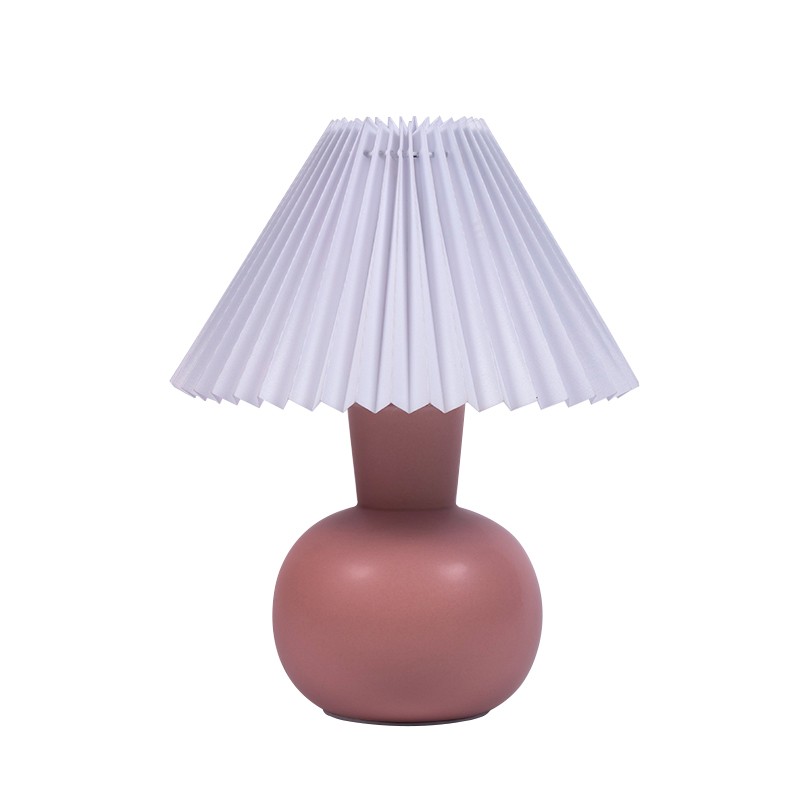
Why a 2 mm Fitting Error Can Stop a Container A European wholesaler approved a 500-piece table lamp order from a photo. The shade looked right, the c...
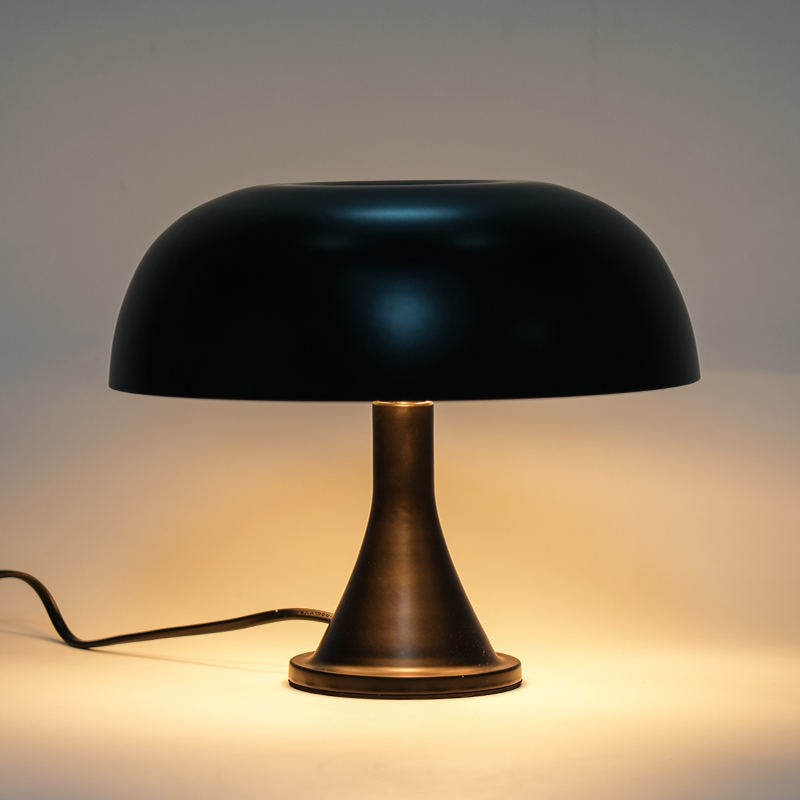
A three-way lamp that only gives two brightness levels is one of the most persistent complaints in decorative lighting, and the fault almost never si...
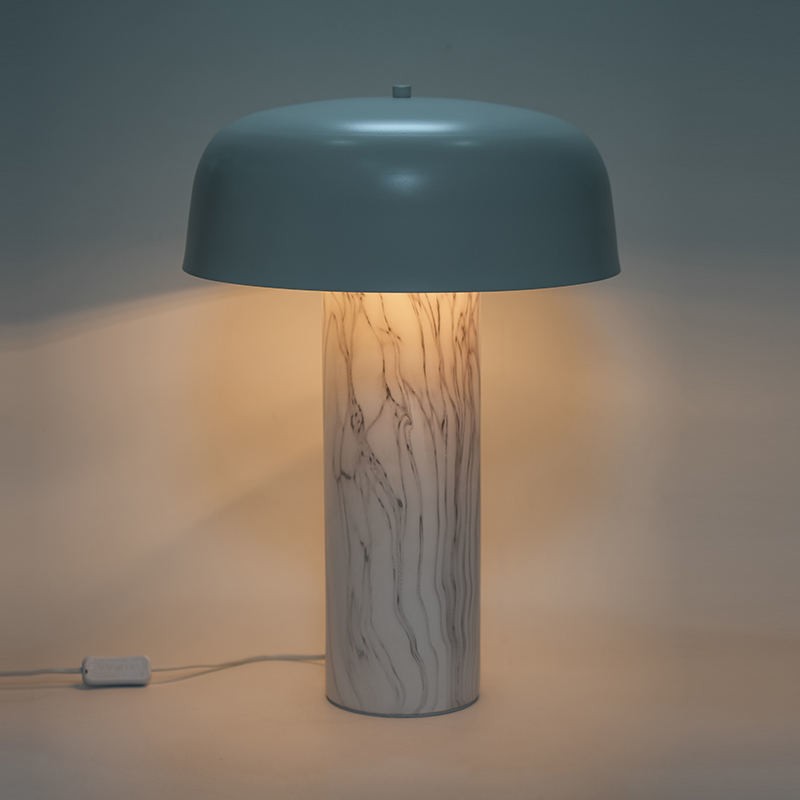
Travertine Table Lamp Buying Starts With the Stone Spec A travertine table lamp can look calm and expensive in a showroom, but the purchase decision ...

Twelve touch lamp samples arrive at a hotel refurbishment office. On the bench they behave exactly as the catalogue promises: one tap for on, a secon...

 No.11 Gongji South Road, Linshan Town, Yuyao City, Zhejiang Province, China
Copyright ? Yuyao Baolong Electrical Appliance Co., Ltd. All Rights Reserved. Wholesale Decoration Lamp Manufacturer Decoration Lamp Factory


bla@yybaolong.cn

+86-18868663339
+86-574-62067336