English
 中文简体
 Français
 Español

3 Way Lamp Bulb Guide: How Three-Way Switching Works and What Buyers Check
A three-way lamp that only gives two brightness levels is one of the most persistent complaints in decorative lighting, and the fault almost never si...
A three-way lamp that only gives two brightness levels is one of the most persistent complaints in decorative lighting, and the fault almost never sits in one component. A 3 way lamp bulb is a two-filament incandescent lamp, or a two-channel LED lamp, built for a three-contact socket: shell, ring and centre tip. The three positions on the rotary switch only map correctly when the bulb base geometry, the socket contacts and the switch sequence all agree. Get the pairing right and a bedside lamp travels from a faint night light to a full reading light with one turn of a knob. Get it wrong and the middle position either goes dark, or looks exactly the same as the top one.
The short version, before the detail:
This matters most to people who buy lighting in volume: importers, private-label brands, hospitality suppliers, wholesalers stocking bedside and floor fittings, and the OEM and ODM teams building those ranges. For a consumer, a two-position lamp is an annoyance. For a buyer, it is a return, a chargeback, and a support ticket in three languages.
Bulb and socket are one system. A three-way lamp is only as reliable as the weakest contact in the chain, so specify both halves together, test both halves together, and ship them as a matched pair.
Content
Inside the glass envelope there are two filaments of different length and resistance. One is connected between the screw shell and the isolated ring contact, the other between the shell and the centre tip. A single bulb therefore contains two separate lamps sharing one envelope, and the switch decides which of them receives live voltage. The LED equivalent does the same job electronically: the driver reads which contacts are energised and drives the LED array at one of three current levels.
On a standard single-contact bulb the ring is replaced by plain insulator, which is why an ordinary bulb cannot reach the low position at all. Physical dimensions are set by the base type rather than by the manufacturer: E26 medium screw for most North American table and floor lamps, E12 candelabra for small shades and chandelier fittings, and E27 in Europe where three-way versions exist but remain a niche.
These two approaches get confused constantly in purchase orders, and the confusion is expensive because the fittings are not interchangeable.
Three-way, stepped control
|
Dimmable, continuous control
|
A related distinction: three-way bulbs are not "high and low" two-step bulbs, and they are not smart bulbs with saved scenes. A smart bulb can imitate stepped behaviour through software, but it does so through its own radio and app, which is a very different proposition for a hotel room or a rental apartment.
Check the contact count before anything else. If the base has two contacts, it is a dimmable or single-output lamp, and no amount of switch turning will produce three distinct levels.
In the low position the switch energises the ring contact only, lighting the smaller filament. In the middle position it energises the centre tip only, lighting the larger filament. In the high position it energises both, and the two filaments burn together. That sequence explains the naming convention: 30, 70 and 100 watts means a 30 watt filament, a 70 watt filament, and 100 watts when both are on. The arithmetic is not decorative, it is the actual circuit.
| Rating, low / middle / high | Filament arrangement | Realistic fixture fit | Buying note |
|---|---|---|---|
| 30 / 70 / 100 W | 30 W plus 70 W, both on at 100 W | Bedside table lamps, small fabric shades | The safest default for retail bedroom ranges |
| 50 / 100 / 150 W | 50 W plus 100 W, both on at 150 W | Reading lamps, floor lamps, hotel desks | Check shade diameter and heat clearance |
| 100 / 200 / 300 W | 100 W plus 200 W, both on at 300 W | Large drum shades, commercial and lobby fittings | Porcelain or ceramic holders, never cheap thermoplastic |
| Low-wattage candelabra three-way | Two small filaments in an E12 base | Compact accent lamps, chandelier-style bedside pieces | Limited range; confirm availability before designing around it |
Incandescent output runs at roughly ten to fifteen lumens per watt, so a 30/70/100 bulb delivers somewhere around 300 to 450 lumens at the low step and 1,000 to 1,500 lumens at the high step. That spread is the point. It is also the reason three-way control survives in an LED market: no single fixed output serves both a night light and a reading light well.
Put an ordinary single-contact bulb into a three-way socket and the lamp behaves strangely: one position produces nothing, the next produces full brightness, and the third produces the same full brightness again. This is not a wiring fault and not a defective switch. The bulb only touches the centre tip, so every position that energises the ring alone leaves it dark, and every position that includes the tip lights it at its one and only output. Buyers who receive this complaint should look at the bulb label first, not the socket.
A three-way lamp that shows two brightness levels and one dead position is almost always fitted with a two-contact bulb, a faulty detent, or a reversed ring connection, in that order of likelihood.
Stepped control is not evenly distributed across a lighting range, and the profile of demand tells a buyer where to concentrate tooling and testing. Before looking at the chart, four framing points are worth holding in mind. First, the split below is an indicative planning benchmark for decorative lighting programmes, not a published market statistic, and it should be replaced with your own order history where you have it. Second, three-way demand clusters where a single fitting has to serve two jobs at different times of day. Third, hospitality behaves differently from retail because the cost of a confused guest is higher than the cost of a component. Fourth, the shape of the distribution changes how much engineering attention each housing type deserves.
| Fixture type | Share of three-way demand | Relative scale |
|---|---|---|
| Bedside and bedroom table lamps | 34% | |
| Floor lamps, reading and task positions | 24% | |
| Hotel, homestay and serviced apartment desks | 18% | |
| Living room accent lamps with large shades | 14% | |
| Office and study task lamps | 10% |
Bedside table lamps account for the largest block of demand, and the reason is behavioural rather than technical. A bedside fitting has to serve two incompatible jobs: a dim pool of light for the last twenty minutes before sleep, and enough light to read a page without disturbing anyone else. A stepped switch does that with one gesture, in the dark, without the user hunting for a slider. Floor lamps come second because the same logic applies from a standing position, and a reading position plus an ambient position on one knob is genuinely useful in a room with a sofa. Hospitality follows closely, and there the driver is operational: guests break dimmers, lose remotes and report flicker at reception, while a three-position rotary switch has no interface to learn. Accent lamps with large shades sit in the middle of the range, because the top step is often used briefly, to lift a corner of a room for cleaning or photographs, rather than for long sitting. Office and study lamps form the smallest block, which is expected: a work light is usually set once and left alone, so continuous dimming or simple on/off is sufficient and cheaper to build. The pattern has practical consequences for range planning. If most of your volume sits in bedside and floor fittings, stock should bias toward the 30/70/100 and 50/100/150 steps, because 300 watts of incandescent output at close range is uncomfortable and generates heat a fabric shade cannot shed. It also means the switch, not the bulb, is the component worth spending money on: a cheap detent fails early, and the customer experiences that failure as a bulb problem. The distribution tells you where tooling budget belongs, with reinforced socket mounting in table lamps and weighted bases in floor lamps. It tells you which sample to test first, which is always the middle position, since that is the step that either goes dark or duplicates another. And it tells you what to print on the carton, because a bedside lamp sold with a three-way holder but shipped with an ordinary bulb will generate a return for reasons the customer cannot articulate.
Concentrate three-way engineering where the fitting works hardest, which in most ranges means bedside and floor lamps, and treat the middle switch position as the acceptance test.
The LED replacement market is where most compatibility trouble starts. A dimmable LED is designed to interpret a changing phase angle from a dimmer and scale its output accordingly. A three-way LED has to do something different: it must detect which of two contacts is live and switch between two current levels, combining them at the top step. Some products handle this with a dedicated two-channel driver. Others attempt it with a dimmer chip and a bleeder circuit, and those are the ones that produce complaints about steps arriving out of order or the top step being dimmer than expected.
| Consideration | Incandescent three-way | LED three-way |
|---|---|---|
| How the steps are produced | Two physical filaments switched in and out | Two driver current levels, combined at the top step |
| Efficiency | Roughly 10 to 15 lumens per watt | Typically 80 to 120 lumens per watt |
| Heat inside a shade | High; fabric and paper shades need clearance | Low; opens up closed shade designs |
| Colour quality | Warm and continuous, around 2700 K, CRI close to 100 | Variable; ask for CRI 90 and a tight colour tolerance |
| Start-up behaviour | Instant, works cold | Instant at quality levels; cheap drivers delay at low steps |
| Life and switching cycles | Short, and switching shortens it further | Long, but the driver is now the limiting component |
| Behaviour in a mismatched fitting | Two levels plus one dead position | Steps may appear in the wrong order, or the top step may look dim |
| Unit cost | Low | Higher, but recovered quickly in hospitality duty cycles |
| Best fit | Vintage and reproduction fittings, dimable-free designs | Hotel projects, high-use bedside lamps, sealed shades |
One specification point is worth writing into every purchase order: the output order must match the switch order. A driver that reads the ring contact as high rather than low will deliver the brightest light on the first detent and confuse every user who touches the lamp. Ask for a sample of at least twenty units and test all three positions on each, recording the order rather than just the presence of light.
The failure that matters in LED three-way bulbs is not a dead step but a reversed step, so the acceptance criterion is ordered output, not simply three levels of light.
Most sourcing disputes over three-way products trace back to a purchase order that named a base type and a wattage, and nothing else. The parameters below are the ones worth pinning down in writing, with a tolerance attached to each.
| Parameter | Target or tolerance | Why it matters |
|---|---|---|
| Base and contact count | E26 three-contact, or E12 for compact shades | A two-contact base cannot reach the low step |
| Rated voltage | 120 V for North America; 220 to 240 V where required | Filament life collapses on the wrong voltage |
| Stepped output | State low, middle and high in lumens, not only watts | Watt equivalence between LED and incandescent is loose |
| Step ordering | Low, middle, high in switch sequence | Reversed steps are the most common LED complaint |
| Colour temperature | 2700 K to 3000 K, held within roughly plus or minus 150 K | Mixed batches show visibly different warmth |
| Colour rendering | CRI 90 or above for hospitality | Below 80, warm fabrics and skin tones look flat |
| Envelope size | A19 or A21, checked against shade neck diameter | An oversized envelope traps against the shade frame |
| Shell temperature | Measured in the actual shade, at the top step | Thermoplastic holders deform above their rating |
| Switching endurance | Switch rated for at least 10,000 cycles | Detent wear shows up as a dead middle position |
| Documentation | Test reports, energy label data, RoHS declaration | Customs and retail onboarding both stall without them |
Two of these deserve extra attention. First, lumen figures per step, because a "100 watt equivalent" LED pack says nothing about what happens at the low detent, and buyers routinely discover that the first step is far brighter than intended. Second, shell temperature measured inside the finished shade rather than in free air, because a thermally comfortable bulb in open space can still soften a holder once a fabric drum is fitted over it.
Write the specification in lumens per step, with the order of the steps stated explicitly, and test shell temperature inside the shade rather than on the bench.
The bulb is only half the order. The housing decides whether stepped control feels natural or awkward, and a few housing details determine whether the lamp survives its first year in service.
Clearance is the second issue. A 50/100/150 incandescent bulb produces real heat at the top step, and a closed fabric drum with a narrow neck will trap it. If the design calls for a closed shade, the LED route is usually the better answer, because the bulb runs cool enough that shade geometry stops being a thermal problem. If the design is a reproduction piece where the visible filament is part of the look, then keep the shade open at the top and specify a holder rated well above the bulb's top step.
For buyers building a range around bedside and hospitality fittings, a matched pairing of housing and holder is worth more than a longer feature list. The following three housings from a decorative lamp manufacturer illustrate the range of positions where stepped control is realistic.
 Bedroom Bedside Ceramic Table LampA ceramic bedside lamp with elegant texture and rich colors, suited to bedroom and hospitality settings where a matched housing and holder matter.View Product →
The ceramic bedside format is the classic three-way application: a stable base, a shade large enough to diffuse the top step, and a rotary switch within easy reach of a pillow.
 Adjustable Metal and Wood Reading Table LampAn OEM/ODM desk lamp with an adjustable black metal arm and wooden base, directing light to reading or work areas on varied desks.View Product →
Task and reading lamps benefit from the same control for a different reason, since one position serves ambient light and the other serves a page, a keyboard or a document.
 Nostalgic Ceramic Bedroom Table LampA ceramic bedroom lamp with a hard, dense body and soft, non-glare light from an LED or adjustable-brightness bulb for bedside reading and rest.View Product →
Reproduction and nostalgic designs are where incandescent three-way bulbs still make commercial sense, because the warm dim first step matches the visual language of the housing.
When approaching a manufacturer with an OEM or ODM brief, state the holder type, the switch type and position, the intended bulb class, the shade material and the target market. Suppliers who build both the fitting and the matched bulb can test the pair before shipment, which removes the most common source of after-sales complaints. Where the bulb is excluded from the shipment for logistical or regulatory reasons, ask for the exact bulb specification to be printed on the carton and in the manual, so the end user buys the right replacement.
Decide early whether the lamp ships with a matched bulb or with a printed specification, because that single decision determines how many support tickets the range will generate.
Three-way faults are unusually easy to diagnose once the symptom is matched to the mechanism. The table below covers what service teams and quality inspectors actually see.
| Symptom | Likely cause | Check and remedy |
|---|---|---|
| Only two levels, one position dark | Two-contact bulb in a three-contact socket | Inspect the base; replace with a confirmed three-way bulb |
| Two levels, both identical | Ring contact not making contact, or bulb tip only | Clean the ring, check spring tension, verify bulb type |
| Middle position flickers | Oxidised ring contact or loose holder rivet | Clean with contact cleaner, re-crimp the rivet or replace the holder |
| Steps arrive out of order | LED driver channel mapping reversed | Reject the batch; request corrected driver mapping |
| Top step dims over months | Driver thermal derating inside a closed shade | Re-measure shell temperature; open the shade or change the bulb class |
| Clicking with no light change | Worn switch detent | Replace the switch; inspect cycle rating of the original part |
| Bulb sticks in the holder | Heat deformation of a thermoplastic holder | Switch to ceramic or porcelain holder at higher ratings |
Two maintenance habits prevent most of these. First, never install or remove a bulb with the lamp plugged in, because the ring contact is live in some switch positions. Second, when replacing a failed three-way bulb, replace it with the same stepped rating rather than the highest one available, since an oversized bulb accelerates heat damage in a housing designed for a smaller one.
Replace like with like. Upgrading to a higher stepped rating is the fastest way to turn a bulb replacement into a holder replacement.
Three-way products sit across two regulatory worlds, because a self-ballasted lamp and a portable luminaire are assessed under different standards. Buyers exporting to several markets at once should plan documentation per destination rather than per product.
| Market | Typical documents | Practical notes |
|---|---|---|
| United States | Lamp safety reports such as UL 1993 with UL 8750 for the driver, lampholder to UL 496, portable luminaire to UL 153, FCC Part 15 for driver emissions | Retailers increasingly ask for the luminaire and lamp tested as a pair |
| European Union and UK | CE marking under LVD and EMC, self-ballasted lamp to EN 62560, ErP energy data, RoHS declaration | Energy label data must match the steps actually shipped |
| Australia and New Zealand | RCM marking, luminaire to AS/NZS 60598, lamp requirements per the applicable part | Bayonet markets are smaller for three-way, so confirm demand first |
Packaging deserves its own line item. Bulbs shipped loose inside a fitting break filaments and crack envelopes, and a broken envelope in transit is a safety issue rather than a cosmetic one. Specify a separate bulb cavity, or ship the bulb in its own carton inside the master. Also confirm the drop test standard your customer expects, and whether the test is performed with the bulb installed, because a lamp that passes empty can fail once the bulb mass is added to the shade.
Test the lamp and the bulb as a matched pair, and pack them so they arrive as a matched pair, because compliance and transit damage are assessed on the combination.
Buying stepped-control lamps in volume is mostly a matter of removing ambiguity before the first production run. These are the questions that surface problems early rather than at the inspection stage.
A supplier that already builds decorative table, floor and pendant ranges in ceramic, glass, metal and natural materials usually has the holder variants and shade geometries on hand, which shortens sampling considerably. Working with a single manufacturer for housing and control hardware also means one point of accountability when a middle position misbehaves in the field.
Ask for a cycled switch sample and a measured shell temperature, because those two numbers predict field failure better than any datasheet claim.
Can I use a 3 way lamp bulb in an ordinary socket?Yes, but only one filament will light, so you get a single brightness instead of three. The bulb is not damaged and nothing is unsafe, it simply behaves like a fixed-output lamp of the higher step. |
Why does my three-way lamp only have two settings?The usual cause is a two-contact bulb in a three-contact socket, which leaves the low position dark. Check the base for the ring contact before suspecting the switch. |
Is a 3 way lamp bulb the same as a dimmable bulb?No. A three-way bulb has two fixed internal sources switched in steps, while a dimmable bulb scales continuously from a dimmer. The sockets and control hardware are different. |
Can I put an LED three-way bulb in an older incandescent fitting?Usually yes, provided the driver maps the contacts in the right order. Test all three positions on arrival, because reversed steps are the most common defect in that category. |
What does 30/70/100 mean on a bulb label?It describes the two filaments and their combined output: 30 watts at the low step, 70 watts at the middle step, and 100 watts when both filaments are on. The high figure equals the sum of the other two. |
Do European fittings use three-way bulbs?Rarely. The E27 three-way format exists but is a niche, and most European ranges rely on dimmers or on plain on/off control instead of stepped switching. |
Can a manufacturer supply the lamp with a matched three-way bulb?Many can, and it is worth requesting, because a tested pair removes most installation complaints. Where bulbs cannot ship for logistics reasons, ask for the exact specification on the carton. |
Three-way lighting rewards a joined-up approach: one specification covering the holder, the switch and the bulb, one sample approval covering all three, and one supplier accountable for the result. If you are planning a bedside, floor or hospitality range around stepped control, the fastest route is to send the shade geometry and the target market, then ask for a matched sample pair rather than a catalogue page.
| Purpose | Page |
|---|---|
| Review OEM and ODM capability, sampling steps and delivery support | Service and OEM support |
| Send a brief with shade size, switch type and target market | Request a quote |
A matched sample pair, tested at the middle switch position, settles more questions about three-way lamps than any specification document alone.
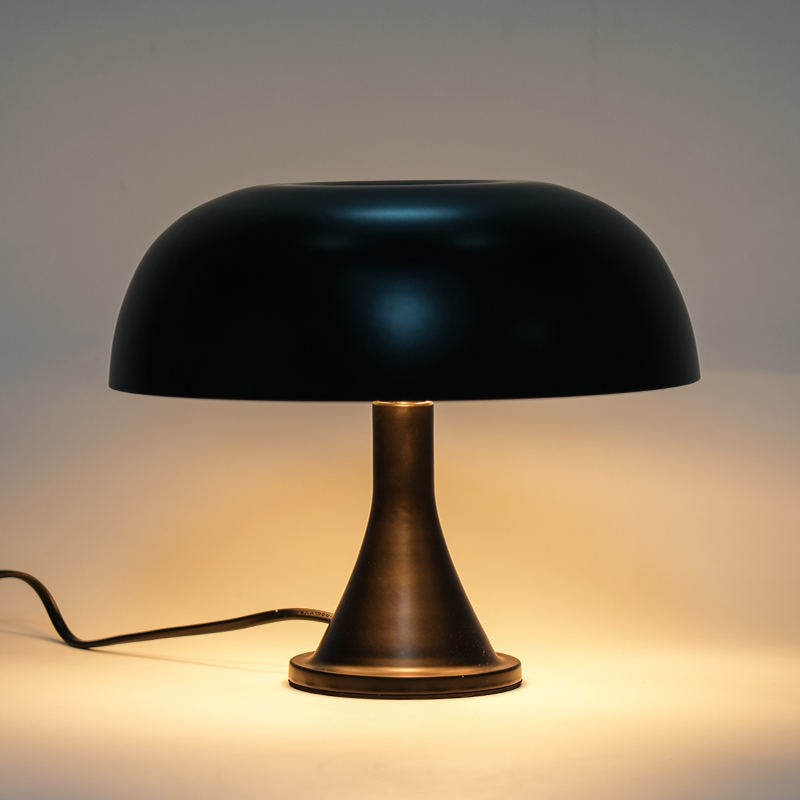
A three-way lamp that only gives two brightness levels is one of the most persistent complaints in decorative lighting, and the fault almost never si...
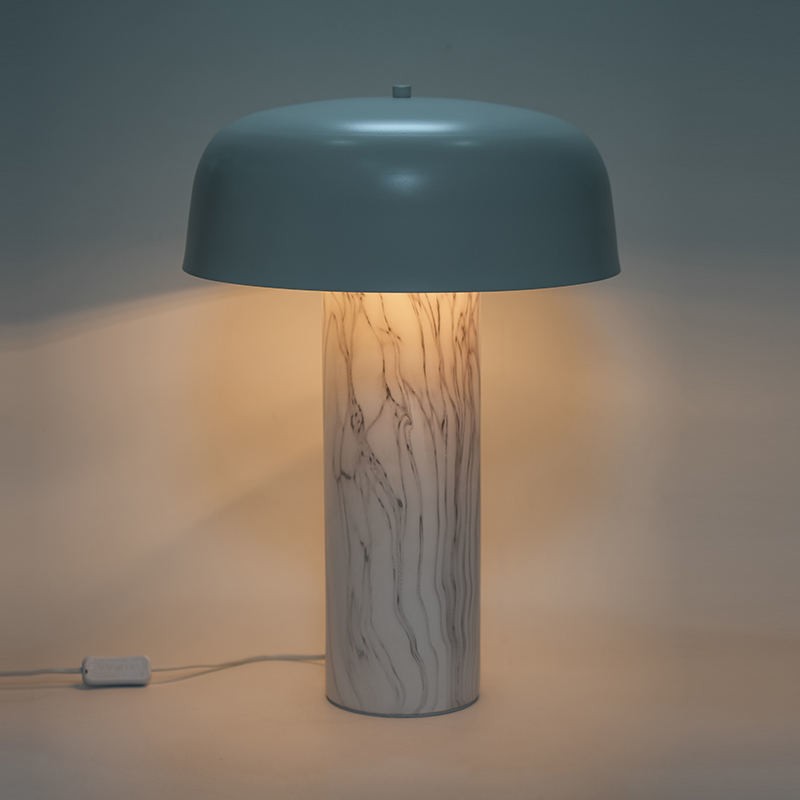
Travertine Table Lamp Buying Starts With the Stone Spec A travertine table lamp can look calm and expensive in a showroom, but the purchase decision ...

Twelve touch lamp samples arrive at a hotel refurbishment office. On the bench they behave exactly as the catalogue promises: one tap for on, a secon...

A buyer in Rotterdam opens a carton of twelve portable rechargeable lamps, switches each one on, and watches three of them fade within twenty minutes...

 No.11 Gongji South Road, Linshan Town, Yuyao City, Zhejiang Province, China
Copyright ? Yuyao Baolong Electrical Appliance Co., Ltd. All Rights Reserved. Wholesale Decoration Lamp Manufacturer Decoration Lamp Factory


bla@yybaolong.cn

+86-18868663339
+86-574-62067336