English
  中文简体
中文简体  Français
  Español
Lamp Shade Types Explained: A Practical Sourcing Guide for B2B Importers
An importer in Rotterdam opens a container of 3,000 bedside lamps and finds 180 cracked glass shades. The bases are fine, the wiring passed inspectio...
Content
Yes, an LED table lamp is generally considered a safe lighting choice for home and office use when it is built with proper electrical insulation, a stable base, and components that meet recognized safety standards. According to general consumer product safety guidance published by the U.S. Consumer Product Safety Commission on lighting products, the main safety factors for any table lamp involve heat output, electrical wiring quality, and structural stability, and LED technology performs favorably on the first factor because LED lamp beads generate substantially less heat than incandescent or halogen bulbs of similar brightness.
An LED table lamp that carries recognized certification marks such as CE, ERP, or RoHS has typically been tested against defined electrical safety and environmental compliance requirements, which gives buyers a practical way to evaluate safety before purchase rather than relying on appearance alone.
Heat is one of the most direct safety concerns for any lamp placed close to paper, fabric, or skin during long study or work sessions. Compared with traditional lighting fixtures such as incandescent or fluorescent lamps, LED desk lamps significantly reduce energy consumption by more than 80 percent while providing similar brightness, and because LED chips convert a much higher share of electrical energy into light rather than heat, the surface temperature of an LED table lamp stays noticeably lower during extended use.
This horizontal bar chart illustrates an approximate relative comparison of surface heat output among common light sources used in desk and table lamps, presented with a dimensional gradient effect to make the differences easier to read at a glance. LED bulbs sit at the lower end of the scale because the semiconductor chip converts most input energy directly into visible light rather than radiant heat, which is consistent with widely cited efficiency comparisons in lighting industry literature. CFL bulbs produce more heat than LED sources due to the gas discharge process used to generate light, although they still run cooler than older filament based technologies. Halogen bulbs generate considerably more heat because the filament must be heated to a very high temperature to produce light, which is part of why halogen fixtures often carry stronger heat warnings on packaging. Incandescent bulbs sit at the highest point on this chart since the vast majority of their energy consumption is released as heat rather than usable light, a long documented inefficiency of that technology. This comparison helps explain why an LED table lamp is generally considered a cooler and more touch safe option for desks, bedrooms, and living room reading nooks.
LED lamp beads have a service life of up to tens of thousands of hours, which greatly reduces the frequency of bulb replacement and lowers the maintenance effort associated with traditional lighting. This long term stability also supports consistent brightness output over time, which matters for tasks where steady, even lighting is preferred, such as reading or detailed desk work.
This line chart presents a general industry pattern describing how LED brightness gradually declines over extended operating hours rather than failing suddenly, which is a well documented characteristic of LED lighting referenced in lighting engineering literature on LED lumen depreciation. Unlike incandescent bulbs that typically fail abruptly when the filament breaks, LED lamp beads experience a slow and predictable reduction in light output as the semiconductor material ages. Early in the operating life shown on the left side of the chart, brightness remains very close to its original level, which supports consistent lighting quality for daily desk or bedroom use. As operating hours accumulate toward the higher end of the chart, the decline becomes slightly more pronounced, though LED sources generally maintain a meaningfully higher share of original brightness compared to older lighting technologies at equivalent hour counts. This gradual depreciation curve is part of why LED table lamps are associated with lower long term maintenance needs, since users are not faced with frequent bulb replacement. Understanding this curve also helps explain why LED lamp specifications often reference a rated lifespan in hours rather than a simple pass or fail bulb life expectancy.
Shoppers searching for an LED table lamp manufacturer or comparing options for a bedroom, living room, or office desk often want to understand which features matter most for each setting. The table below summarizes common feature priorities across typical use cases.
| Setting | Priority Feature | Common Lamp Type |
|---|---|---|
| Bedroom nightstand | Soft dimmable glow, touch control | LED table lamp touch, LED mushroom table lamp |
| Office desk | Stable brightness, charging port | LED table lamp with wireless charger |
| Living room accent | Decorative metal finish | Modern LED table lamp, LED vintage metal table lamp |
| Travel or outdoor reading | Portability, no cord needed | LED table lamp rechargeable |
Beyond function, design style is a major reason buyers search for terms such as LED conical metal table lamp, LED postmodern metal table lamp, or gold cone LED rechargeable table lamp. The radar chart below compares two general design directions across practical attributes that matter for everyday use.
This radar chart compares two general LED table lamp design directions, shown here as a blue outline representing modern minimalist styles and a red outline representing retro metal styles, across five attributes commonly considered when choosing a lamp. Modern designs, including conical or postmodern metal table lamps, tend to score higher on portability and compact footprint because they often favor lightweight materials and rechargeable battery options suited for moving between rooms. Retro and vintage metal table lamps, by contrast, generally score higher on decor appeal and durability since solid metal bases and classic silhouettes are chosen specifically for their visual presence and long term structural sturdiness. Brightness control capability tends to be fairly balanced across both styles in current LED products, since touch dimming and adjustable color temperature are now common across many table lamp categories regardless of aesthetic direction. Neither design direction is inherently better, and the right choice depends on whether a buyer prioritizes flexibility and travel use or a stronger decorative statement piece for a fixed location. This comparison framework is useful for shoppers evaluating options such as the macaron desk LED lamp or the LED American retro charging table lamp against more minimalist alternatives.
Understanding how an LED table lamp is constructed helps explain why certain models are better suited to bedroom, living room, or desk environments. The isometric diagram below outlines a simplified cross section of a typical rechargeable LED table lamp.
This isometric style diagram illustrates a simplified layered structure typical of a modern LED table lamp, beginning with the lampshade diffuser at the top, which spreads light evenly and softens glare for comfortable reading or ambient use. Below the shade sits the LED chip module, the core component responsible for converting electrical energy into visible light with the high efficiency and low heat output discussed earlier in this article. The touch control circuit layer manages brightness adjustment and, in many current models, color temperature switching, allowing a single LED table lamp to suit different tasks throughout the day. At the base of the assembly sits the rechargeable battery compartment, found in cordless models such as an LED table lamp rechargeable design, which stores power for use without a continuous cable connection. This layered construction explains why safety and performance depend on multiple coordinated components rather than the LED bulb alone, reinforcing why certification testing covers the full lamp assembly rather than just the light source.
A practical approach to selecting an LED table lamp is to start with the room and task, then narrow down style and feature preferences from there.
Yuyao Baolong Electrical Appliance Co., Ltd. was established in 2010 and is a professional manufacturer and exporter focused on lighting design, development, and production, based in Yuyao City with convenient transportation access. The company covers an area of 6,500 square meters, employs over 130 people, and reports annual sales of more than 6 million US dollars.
The product range includes table lamps, floor lamps, and ceiling lamps, which are sold across Australian, European, and US markets. Many products hold CE, ERP, and RoHS certification, supporting compliance with recognized international quality and safety standards. As an LED table lamp manufacturer, Yuyao Baolong offers both OEM and ODM order services for clients seeking custom lighting solutions.
| Q1: Are LED table lamps safe? Yes, LED table lamps run cooler than incandescent or halogen lamps and are considered safe when they carry recognized certification such as CE, ERP, or RoHS. |
| Q2: How long do LED lamp beads typically last? LED lamp beads can operate for tens of thousands of hours, reducing the frequency of bulb replacement compared to traditional lighting. |
| Q3: Is touch control common on LED table lamps? Yes, many current LED table lamp models include touch controls for adjusting brightness and sometimes color temperature. |
| Q4: Can an LED table lamp be used without a power cord? Rechargeable LED table lamps store power in an internal battery, allowing cordless use for several hours depending on the brightness setting. |
| Q5: Do LED table lamps help reduce energy costs over time? LED desk lamps reduce energy consumption by more than 80 percent compared to traditional lighting while providing similar brightness levels. |
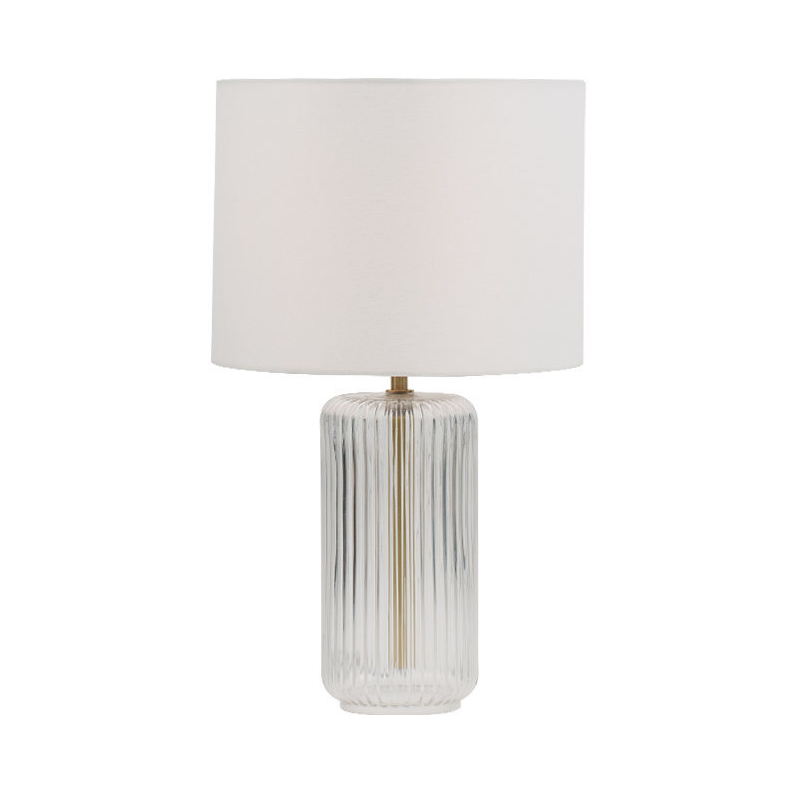
An importer in Rotterdam opens a container of 3,000 bedside lamps and finds 180 cracked glass shades. The bases are fine, the wiring passed inspectio...
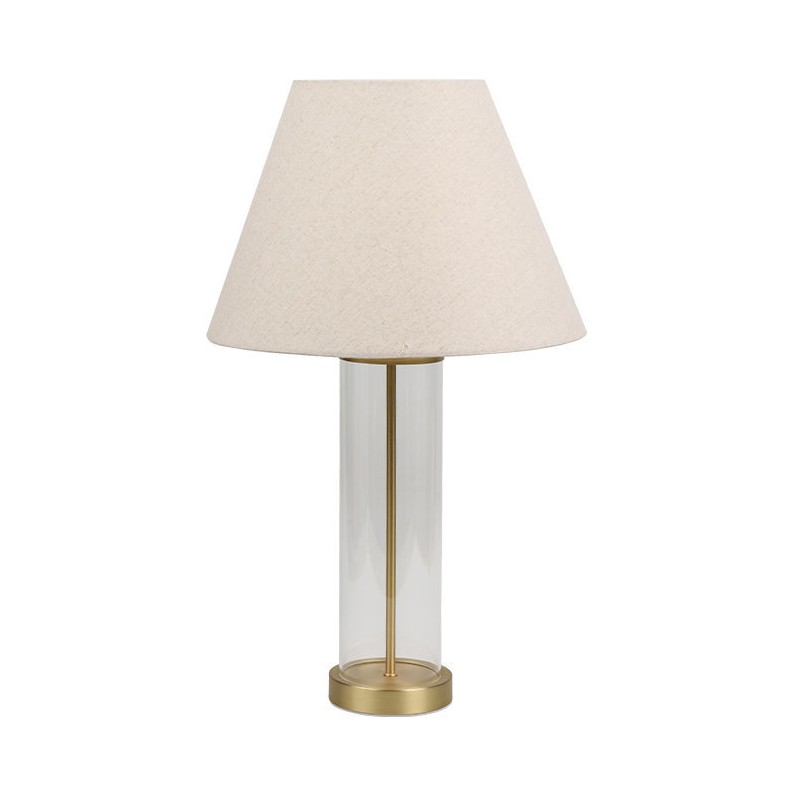
Two containers of the same decorative table lamp leave the same factory, and only the socket label changes: E27 for a German importer, E26 for a US w...
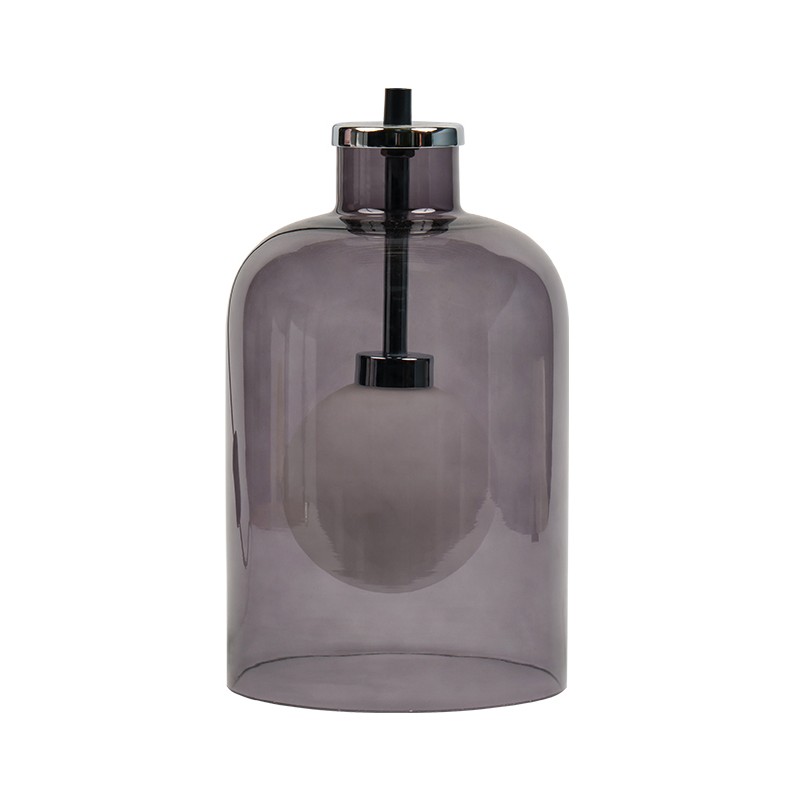
If a replacement lampshade arrives and will not sit straight, will not clear the bulb, or leans to one side, the fault is almost never the shade. It ...
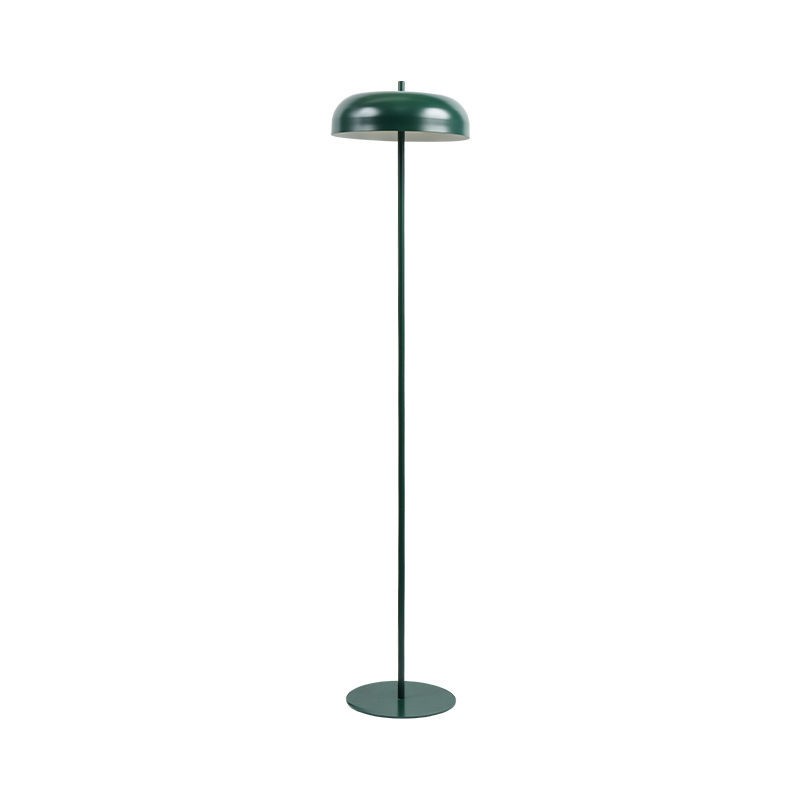
Imagine you are sourcing 2,000 lamps for a boutique hotel renovation, and the specification sheet only says "fluorescent lamp vs incandescent lamp." ...

 No.11 Gongji South Road, Linshan Town, Yuyao City, Zhejiang Province, China
Copyright ? Yuyao Baolong Electrical Appliance Co., Ltd. All Rights Reserved. Wholesale Decoration Lamp Manufacturer Decoration Lamp Factory


bla@yybaolong.cn

+86-18868663339
+86-574-62067336