English
  中文简体
中文简体  Français
  Español
Lamp Shade Types Explained: A Practical Sourcing Guide for B2B Importers
An importer in Rotterdam opens a container of 3,000 bedside lamps and finds 180 cracked glass shades. The bases are fine, the wiring passed inspectio...
Content
The most direct answer is this: if a lamp shows a cracked or brittle cord, a loose or scorched socket, a wobbly base, or has never had its wiring checked in many years of use, it should be treated as unsafe until inspected by a qualified person. According to home electrical safety guidance published by the Electrical Safety Foundation International (ESFI) and the U.S. Consumer Product Safety Commission (CPSC), aging cords and worn internal wiring are consistently cited among the leading contributors to home electrical incidents involving lighting and small appliances. A lamp that still lights up normally can still carry hidden risk, since visible function does not confirm that the internal wiring, socket contacts, or insulation remain in sound condition. This is particularly relevant for decorative pieces such as a glass table lamp that are often kept for many years due to their aesthetic and sentimental value rather than replaced on a fixed schedule like other household electronics. The sections below walk through the specific checks worth performing, what available safety guidance suggests about where failures tend to originate, how risk tends to accumulate with age, and how construction quality in a well-built glass table lamp series can help reduce these risks from the point of manufacture.
Lamps are among the most frequently overlooked electrical items in a typical household inspection routine. Unlike major appliances that are serviced periodically or smoke detectors that are checked on a fixed schedule, lamps are often used for years or even decades without anyone examining the cord, plug, or socket. The National Fire Protection Association (NFPA) has repeatedly noted in its home electrical fire reports that lighting equipment and cords remain a recurring category in residential electrical incidents, alongside wiring and appliances more broadly. Part of the reason lamps escape routine inspection is that they are rarely thought of as active electrical equipment in the same way a space heater or hair dryer is, even though they carry current continuously whenever switched on. A table lamp placed on a nightstand or side table may also go months without being moved, which means a fraying cord tucked behind furniture can go unnoticed for a long time. Building a habit of checking lamps during routine seasonal home maintenance, alongside smoke detector battery checks, is a simple and practical way to close this gap.
Before looking at any data or charts, it helps to know the physical signs that consistently appear in lamp and cord safety guidance from electrical safety organizations. These signs apply broadly to nearly every type of household lamp, including table lamps, floor lamps, and decorative accent lighting.
Any single sign on this list is reason enough to stop using the lamp until it has been checked by a qualified electrician or replaced with a certified alternative. When two or more signs appear together, the risk tends to increase rather than simply add up, since a worn cord combined with a loose socket creates more opportunities for arcing or localized overheating. This is one reason safety guidance consistently recommends periodic visual inspection rather than waiting for a lamp to stop working entirely, since electrical failure does not always give advance warning. A glass table lamp used mainly for ambient or decorative lighting is often overlooked for inspection precisely because it is switched on less frequently than a primary reading or task lamp. Building this five-point check into a seasonal home safety routine, similar to checking smoke alarm batteries twice a year, is a practical way to catch problems while they are still minor and easy to address.
Understanding which lamp component is most likely to fail helps prioritize what to inspect first rather than treating every part of the lamp as equally urgent. The donut chart below presents an illustrative breakdown, based on commonly cited component categories in household electrical safety guidance, of where lamp-related issues most often originate.
| Component | Approximate Share |
|---|---|
| Cord and cord insulation | Largest share |
| Socket and internal wiring | Second largest |
| Plug and connection point | Moderate share |
| Base, stem, or shade structure | Smallest share |
The chart shows that cord insulation tends to be the single largest contributor to reported lamp issues, which lines up with the fact that cords are flexed, coiled, and repositioned far more often than any other lamp part. Sockets and internal wiring form the next largest share, often because contact points wear down gradually through repeated bulb changes carried out over many years of use. Plugs contribute a moderate share, usually tied to loose prong fit or minor corrosion at the connection point rather than any defect in the plug body itself. The base, stem, and shade structure account for the smallest share of reported issues in this illustrative breakdown, though a cracked glass base on a glass table lamp can still create a secondary hazard if sharp edges become exposed. Recognizing this pattern helps explain why a cord check is usually recommended as the very first step in any home lamp safety inspection routine.
Cord and wiring insulation naturally degrades over time due to heat cycling, exposure to light, and repeated flexing during moves or cleaning. The area chart below illustrates this general pattern, showing how perceived insulation risk tends to accumulate across the typical lifespan of a household lamp.
The upward curve reflects a widely understood principle in electrical safety: insulation does not fail suddenly in most cases, it degrades gradually as the material becomes more brittle with age and repeated use. A lamp in its first few years typically presents comparatively low insulation risk, assuming it was manufactured to recognized safety standards and has not been physically damaged. By the ten to fifteen year mark, risk tends to rise more noticeably, especially for lamps that have been moved frequently, stored in humid conditions, or exposed to direct sunlight, all of which accelerate insulation breakdown over time. Lamps in service for twenty years or more warrant closer and more frequent inspection regardless of how well they appear to be functioning, since visible operation is not a reliable indicator of internal wire condition. This is one reason why a certified lamp with quality-tested cord materials, such as those used in a well-built glass table lamp series, is designed with insulation intended to withstand this kind of gradual aging more effectively than uncertified alternatives.
A heatmap can help visualize how risk level changes across different inspection points as a lamp ages. The grid below compares four common inspection categories across three age brackets, using color intensity to represent relative risk rather than precise measured values.
This heatmap makes clear that cord and socket risk climb faster with age than plug or base risk, which matches the earlier breakdown showing cords as the most common failure point across household lamps. In the earliest age bracket, all four categories remain in a comparatively lower risk range, assuming normal use and no prior physical damage to the lamp. By the middle age bracket, cord and socket risk begin to separate noticeably from plug and base risk, reflecting the cumulative effect of repeated flexing and routine bulb changes over the years. In the oldest age bracket, cord risk reaches its highest level in this illustration, reinforcing why a visual cord check should be the very first step in any lamp safety inspection. Base risk remains comparatively lower across all age brackets shown here, though a cracked glass base still deserves attention since structural damage does not follow the same gradual aging pattern as electrical wear. Reading this kind of grid alongside a simple cord check gives a fuller picture of where inspection effort should be focused first.
A practical way to summarize a lamp inspection is to score it against a short checklist and see how close it comes to full compliance. The gauge below represents an example scoring outcome for a lamp that passes most but not all of the five checks described earlier in this article.
In this example, the lamp passes four of the five checks, with cord condition being the one item flagged for follow-up, which is consistent with the earlier data showing cords as the most common point of concern across lamp types. A score like this does not mean the lamp is entirely safe or entirely unsafe, but rather that one specific area needs attention before continued daily use. This kind of simple scoring approach is useful for households with multiple older lamps, since it turns a vague sense of the lamp seeming fine into a specific, actionable checklist result. Repeating this check every year, or after the lamp has been moved or kept in storage for an extended period, helps catch gradual insulation aging before it develops into a more serious issue. A glass table lamp series built with quality-tested cords and certified sockets from the outset generally starts from a stronger baseline on this kind of checklist compared with uncertified alternatives.
Beyond individual inspection points, it helps to compare certified lamp construction against uncertified alternatives across several attributes at once. The radar chart below compares four attributes on an illustrative 0 to 10 scale, based on the general characteristics that recognized certification standards such as CE and RoHS are designed to verify.
Certified construction Uncertified construction
The larger shape reflects certified construction scoring consistently higher across all five attributes, which is the intended outcome of standards such as CE and RoHS testing rather than a marketing claim. Cord rating and documentation show the widest gap between the two shapes, since certification testing places direct emphasis on verifying cord specifications and requiring supporting technical documentation. Socket quality and insulation life also score higher for certified construction, consistent with the earlier heatmap showing these as high-risk areas as a lamp ages. Base stability shows a smaller gap between the two categories, suggesting that structural design can sometimes be reasonably solid even without formal certification, though this does not extend to the electrical components. This comparison illustrates why certification marks are a useful shorthand for buyers, since they summarize testing across multiple attributes rather than requiring an individual inspection of each one.
When an old lamp fails enough of the checklist items above, replacement is generally more practical than repair, particularly for decorative pieces where rewiring may not be cost-effective relative to the item's condition. The table below summarizes features worth checking when selecting a new lamp, including a glass table lamp, to reduce the same risks over time.
| Feature | Why It Matters |
|---|---|
| Certification marks (CE, RoHS, or equivalent) | Confirms independent testing against recognized safety standards |
| Solid, weighted base construction | Reduces tipping risk, especially important for glass components |
| Properly rated cord and plug | Matches expected load and reduces long-term insulation wear |
| Secure socket housing | Limits loosening and arcing risk over repeated bulb changes |
Certification marks remain one of the clearest indicators of baseline safety, since they reflect independent testing rather than a manufacturer's own claims about product quality. A solid, well-weighted base is especially relevant for a glass table lamp, where instability can lead not only to an electrical issue but also to breakage of the glass structure itself if the lamp tips over. Cord and plug ratings should match the intended use of the lamp, since undersized components can experience more heat buildup during normal operation over time. A secure socket housing helps maintain consistent contact over years of bulb changes, which ties directly back to the socket-related risk shown in the earlier heatmap comparison. Taking a few extra minutes to check these features before purchase is a practical way to start a new lamp's service life on solid footing.
Established in 2010, Yuyao Baolong Electrical Appliance Co., Ltd. is a professional manufacturer and exporter focused on lighting design, development, and production, based in Yuyao City with convenient transportation access. The company covers an area of 6,500 square meters, employs over 130 people, and reports annual sales figures of over six million US dollars. The product range includes table lamps, floor lamps, and ceiling lamps, sold across the Australian, European, and US markets, with products meeting international quality standards recognized in these regions. Many products in the company's lineup, including its glass table lamp series, have earned CE, ERP, and RoHS safety certificates, reflecting the kind of independent testing described earlier in this article as an important factor in lamp safety. The company supports both OEM and ODM order arrangements and welcomes inquiries from businesses interested in forming long-term supply relationships.
A: A yearly visual check of the cord, plug, and socket is a reasonable practice, with more frequent checks recommended for lamps over ten years old.
A: Yes, cracked glass can create sharp edges and may affect the stability of the lamp, so it should be addressed before continued use.
A: Not necessarily, since internal wiring and socket wear can progress without affecting how the lamp appears to function day to day.
A: Marks such as CE, RoHS, or an equivalent regional certification indicate the product has undergone recognized independent testing.
A: In some cases a qualified technician can replace a worn cord, though for older lamps with multiple issues, replacement is often more practical overall.
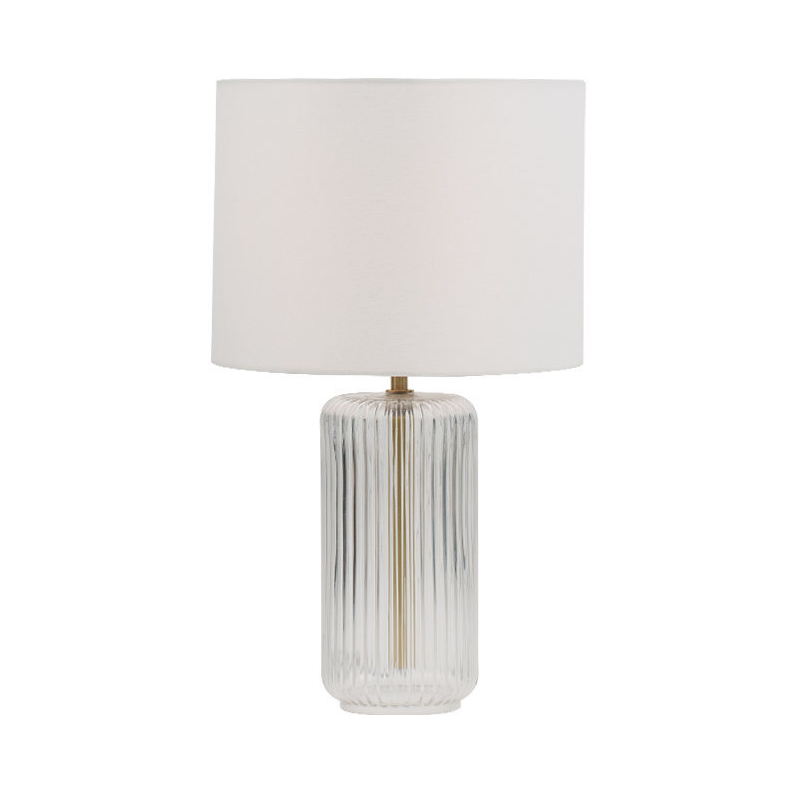
An importer in Rotterdam opens a container of 3,000 bedside lamps and finds 180 cracked glass shades. The bases are fine, the wiring passed inspectio...
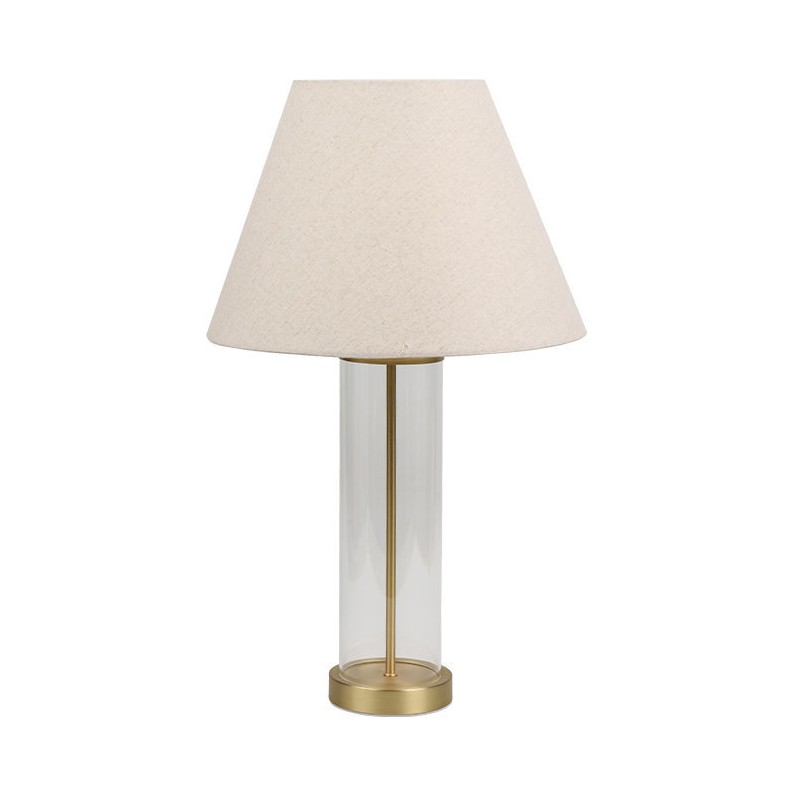
Two containers of the same decorative table lamp leave the same factory, and only the socket label changes: E27 for a German importer, E26 for a US w...
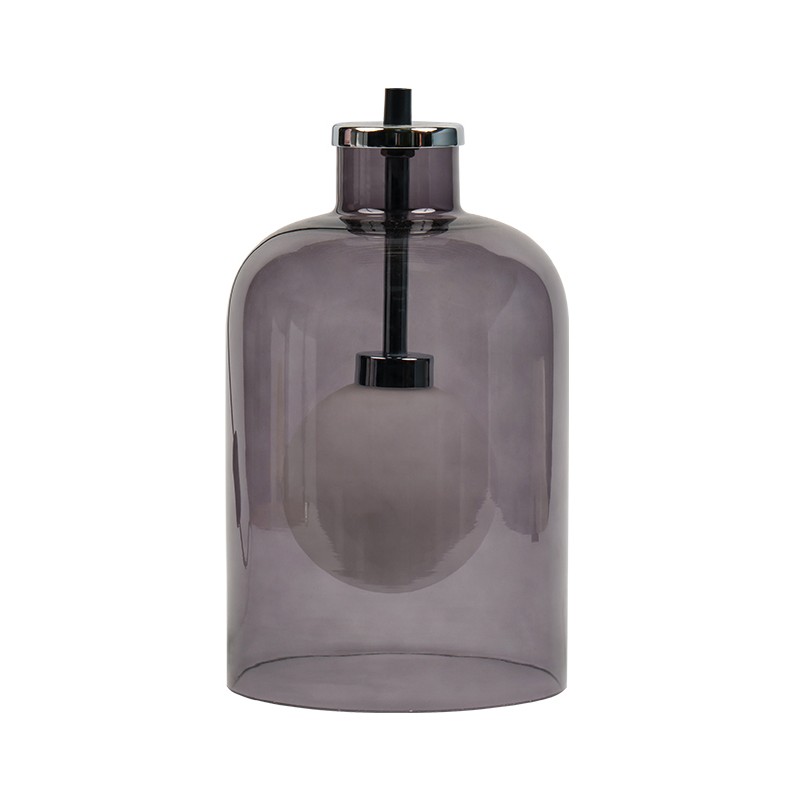
If a replacement lampshade arrives and will not sit straight, will not clear the bulb, or leans to one side, the fault is almost never the shade. It ...
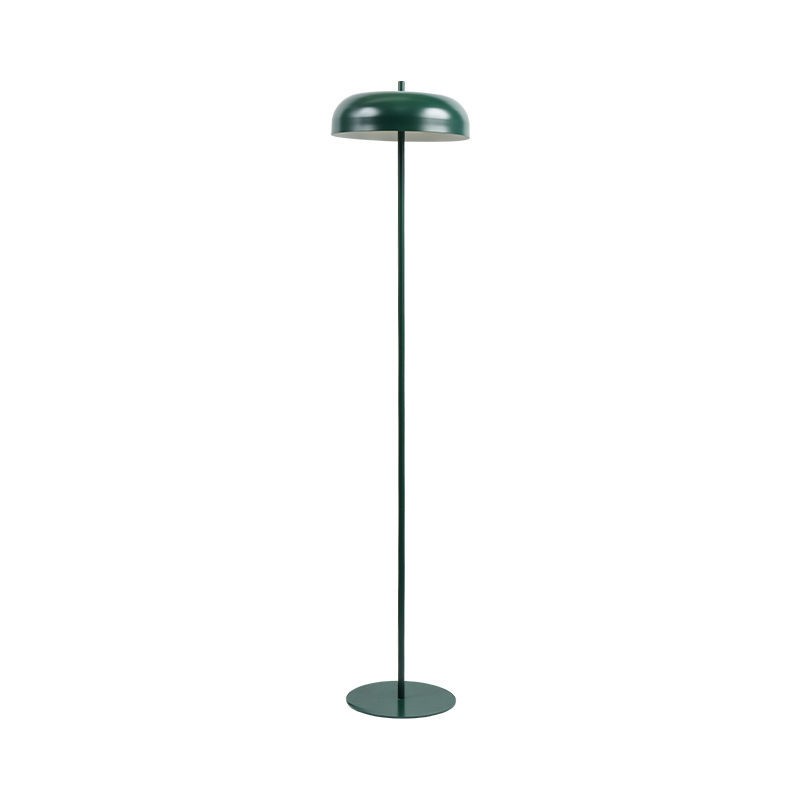
Imagine you are sourcing 2,000 lamps for a boutique hotel renovation, and the specification sheet only says "fluorescent lamp vs incandescent lamp." ...

 No.11 Gongji South Road, Linshan Town, Yuyao City, Zhejiang Province, China
Copyright ? Yuyao Baolong Electrical Appliance Co., Ltd. All Rights Reserved. Wholesale Decoration Lamp Manufacturer Decoration Lamp Factory


bla@yybaolong.cn

+86-18868663339
+86-574-62067336