English
  中文简体
中文简体  Français
  Español
Fluorescent Lamp vs Incandescent Lamp: Efficiency, Cost, and Best Uses
Imagine you are sourcing 2,000 lamps for a boutique hotel renovation, and the specification sheet only says "fluorescent lamp vs incandescent lamp." ...
In modern home decoration, Wall lamps are not only important tools for auxiliary lighting but also decorative elements for creating spatial ambiance. However, many consumers find that newly purchased wall lamps exhibit a visible "flickering" phenomenon, which can be seen with the naked eye or captured by a mobile phone camera, after being turned on. This is what we commonly call "flicker." Flicker not only affects the visual experience but can also lead to eye strain, headaches, and even decreased vision if exposed to this lighting environment for a long time.
Content
The root cause of flickering in wall lamps is usually not the LED chips themselves, but the LED driver power supply behind them.
Inferior Driver: Many cheap indoor wall lamps use simple resistor-capacitor step-down drivers to reduce costs. This type of driver cannot provide a stable current, causing the light output to fluctuate with the AC frequency.
High-Quality Solution: High-quality decorative Wall lamps should be equipped with a "constant current IC driver." It can automatically adjust the output voltage to ensure that the current flowing through the LED chip remains stable, achieving true "flicker-free" performance from the source.
Sometimes, even if the wall lamp itself is of good quality, external environmental factors can still cause flickering:
Household Voltage Fluctuations: When high-power appliances are turned on, instantaneous voltage changes can cause a slight flickering sensation in the wall lamp.
Dimmer Mismatch: If you purchase a bedroom wall lamp with a dimming function, using a non-professional dimmer switch can fragment the current waveform, causing noticeable flickering.
For some wall lamps that have been used for a long time, if the internal LED chips experience light decay or the solder joints become loose due to poor manufacturing processes, the light may flicker. Therefore, when purchasing wall lamps, it is crucial to examine the manufacturer's production process and the brand of the light source (such as Osram, Bridgelux, etc.).
As a professional lighting purchaser or homeowner, you can use the following three simple methods to identify flickering:
Mobile Phone Test Method: Open your mobile phone's camera function and point it at the lit wall lamp light source. If noticeable black and white grids or flowing stripes appear on the screen, it indicates a serious flicker problem with the light fixture.
Check the color rendering index and parameters: High-quality wall lamps usually indicate "flicker-free" or "high color rendering index (Ra>80/90)" in their parameter table.
Choose a professional manufacturer: Wall lamps manufacturers with independent R&D capabilities typically conduct rigorous testing on their driver solutions and pass electromagnetic compatibility (EMC) tests before leaving the factory.
Wall lamps may be small, but they are related to the eye health of the whole family. The key to solving flicker is to choose products equipped with high-quality constant current drivers. If you are facing technical difficulties in purchasing or installing wall lamps, it is recommended to consult a professional lighting consultant to ensure a healthy and comfortable lighting environment from the source.
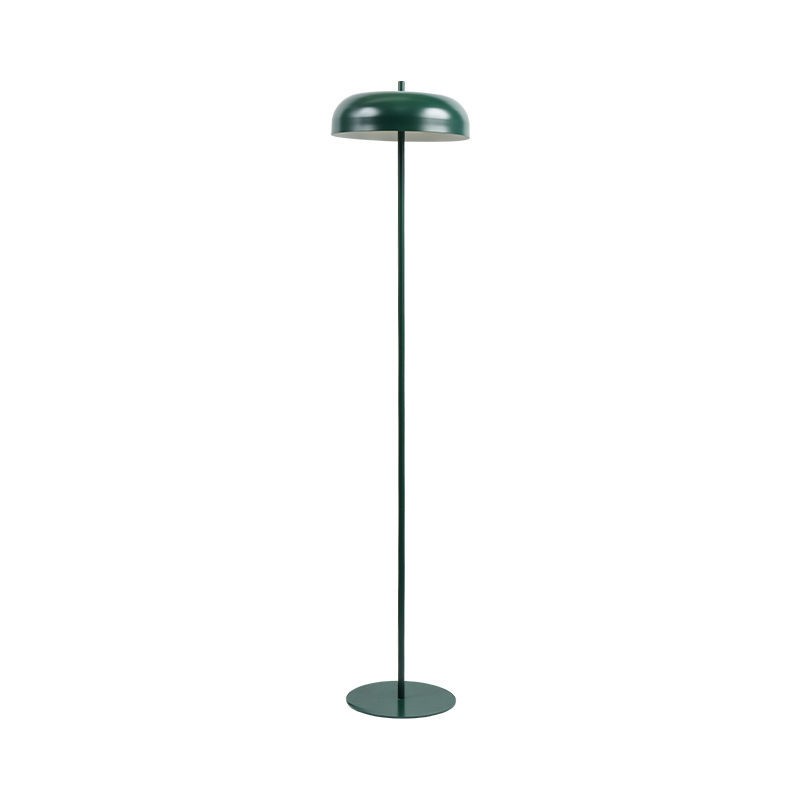
Imagine you are sourcing 2,000 lamps for a boutique hotel renovation, and the specification sheet only says "fluorescent lamp vs incandescent lamp." ...
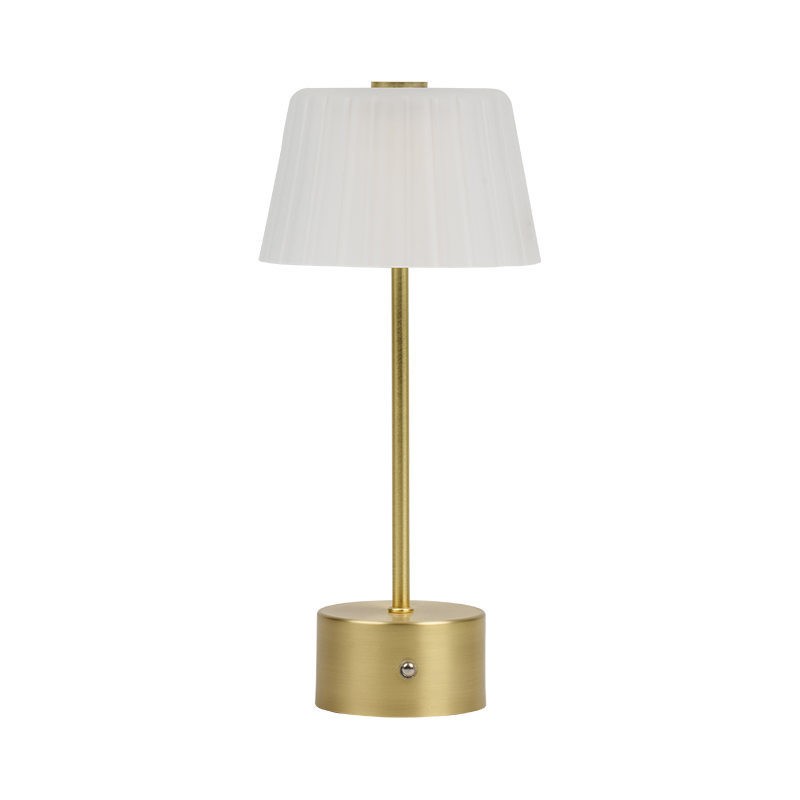
A restaurant operator in Sydney is lighting a courtyard terrace where the contractor never installed outdoor sockets. A hotel buyer needs bedside lam...
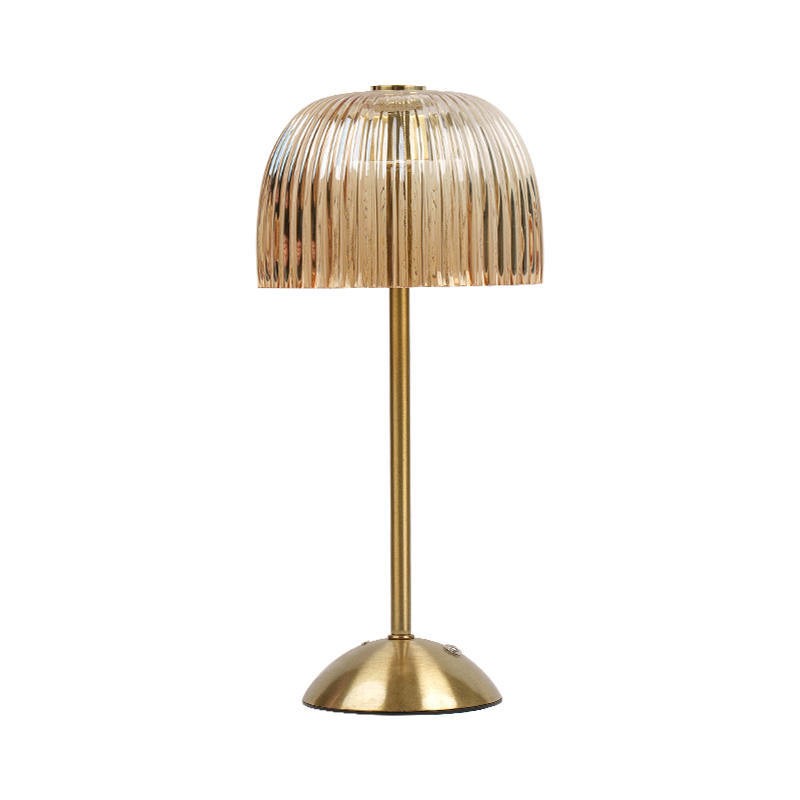
Why Cordless Table Lamps Rechargeable Models Are Gaining Traction in the Contract Lighting Market A cordless table lamp rechargeable design solves a ...
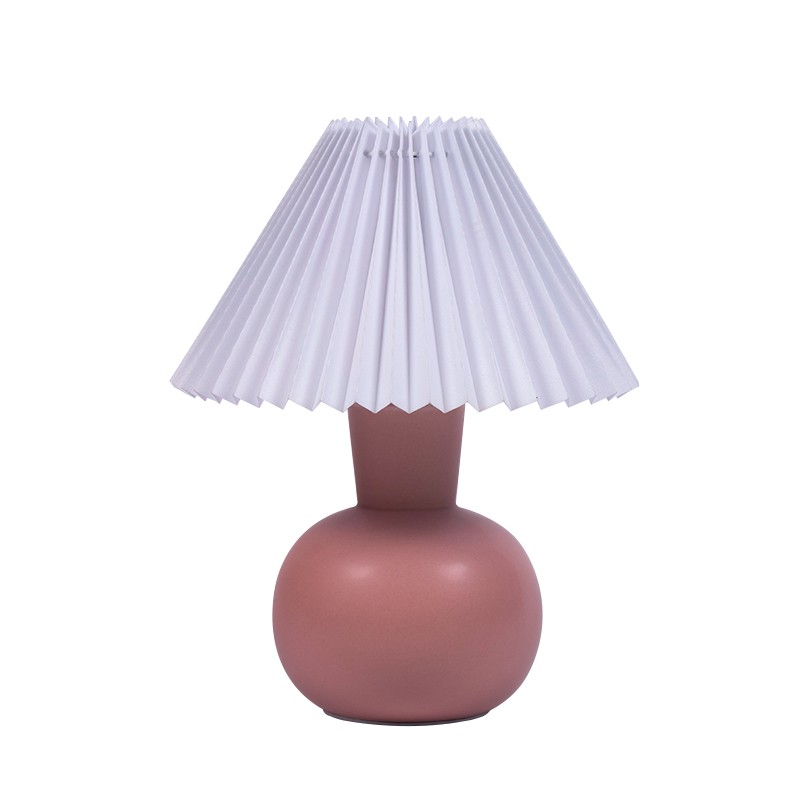
Every buyer who has sourced decorative lighting has met the same mismatch: the catalogue drawing looks right, the finish is approved, and then the sh...

 No.11 Gongji South Road, Linshan Town, Yuyao City, Zhejiang Province, China
Copyright ? Yuyao Baolong Electrical Appliance Co., Ltd. All Rights Reserved. Wholesale Decoration Lamp Manufacturer Decoration Lamp Factory


bla@yybaolong.cn

+86-18868663339
+86-574-62067336