English
  中文简体
中文简体  Français
  Español
Fluorescent Lamp vs Incandescent Lamp: Efficiency, Cost, and Best Uses
Imagine you are sourcing 2,000 lamps for a boutique hotel renovation, and the specification sheet only says "fluorescent lamp vs incandescent lamp." ...
If you need a quick answer: crystal chandeliers deliver more brilliance and prestige, while glass chandeliers offer greater versatility, affordability, and design freedom. Neither is universally "better" — the right choice depends on your space, budget, and aesthetic goals. Read on for a detailed breakdown to help you decide with confidence.
Content
Glass chandeliers are crafted from a range of materials, each producing a distinct visual effect:
This material diversity means glass chandeliers can fit a far wider range of interior styles, from minimalist modern to industrial to coastal.
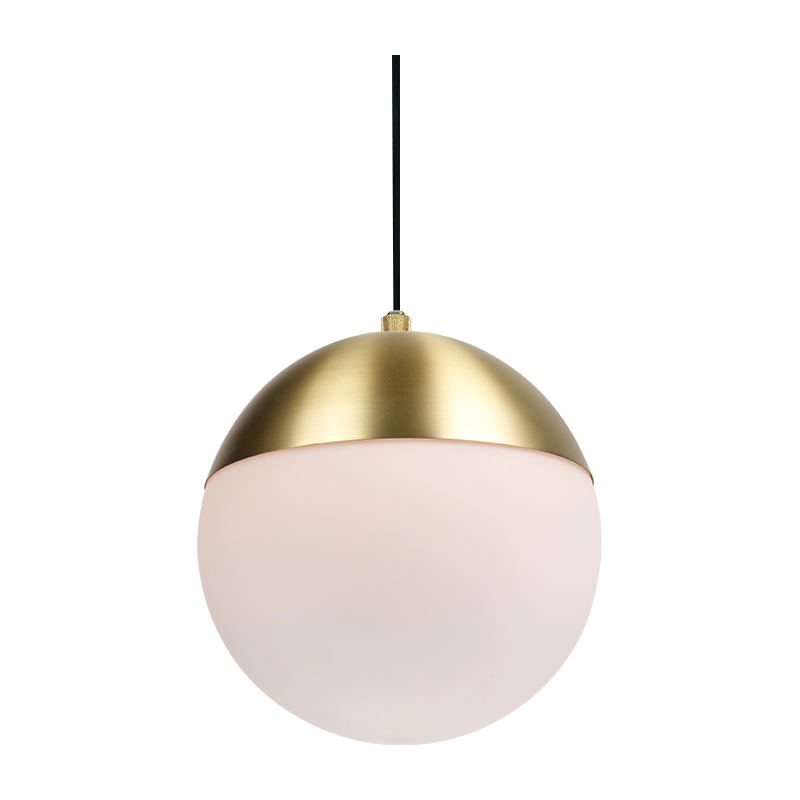
Crystal chandeliers use materials specifically chosen for their extraordinary light-refracting properties:
The defining characteristic of all crystal types is their refractive index — typically between 1.44 and 1.90 depending on quality — which determines how brilliantly they scatter light into colored spectra.
Light behavior is one of the most important practical differences between the two options.
High-transmittance glass can achieve light transmission rates above 92%, meaning very little light is absorbed or scattered. This produces smooth, even illumination — ideal for kitchens, dining rooms, and workspaces where consistent brightness matters more than dramatic sparkle.
Crystal's faceted cuts refract light into thousands of small reflections and rainbow prisms across walls and ceilings. This creates a dynamic, living light effect that changes as people move through the space. In a room with 9-foot ceilings, a quality crystal chandelier can project light patterns across an area 3–4 times its own diameter. This effect is most striking in formal living rooms, entryways, and ballrooms.
Each chandelier type aligns naturally with different interior design languages:
| Interior Style | Glass Chandelier | Crystal Chandelier |
|---|---|---|
| Modern / Minimalist | Excellent fit | Can feel excessive |
| Traditional / Classic | Works well | Excellent fit |
| Glam / Luxury | Depends on design | Excellent fit |
| Industrial / Rustic | Excellent fit | Poor match |
| Coastal / Bohemian | Excellent fit | Poor match |
| Art Deco / Hollywood Regency | Works well | Excellent fit |
Glass chandeliers are more design-flexible overall, while crystal chandeliers perform best in formal, traditional, or luxury-oriented settings.
Price is often the deciding factor for many buyers. Here is a realistic overview:
| Tier | Glass Chandelier | Crystal Chandelier |
|---|---|---|
| Entry-level | $50 – $200 | $100 – $400 |
| Mid-range | $200 – $800 | $400 – $1,500 |
| Premium | $800 – $3,000+ | $1,500 – $10,000+ |
On average, crystal chandeliers cost 2–3 times more than comparable glass chandeliers at each quality tier. The premium reflects both material costs and the precision craftsmanship required for crystal cutting and polishing.
Crystal chandeliers require more careful maintenance. Individual pendants must often be hand-cleaned to preserve their clarity — a medium-sized crystal chandelier with 50+ drops can take 2 to 4 hours to clean thoroughly. Glass chandeliers, particularly those with smooth surfaces and fewer components, are significantly faster to maintain.
Both materials are fragile, but thick artistic glass tends to be more impact-resistant than thin crystal drops. Crystal pendants, especially hand-cut ones, can chip or crack if bumped during cleaning.
High-quality crystal does not yellow or lose clarity over decades, making it an excellent long-term investment in formal spaces. Glass, depending on the type, may show slight cloudiness over many years if not cleaned regularly, though this varies significantly by glass type and coating.
Weight is a practical concern that is often overlooked at the shopping stage:
Heavier crystal chandeliers require ceiling reinforcement and professional installation in most homes. This adds to the total cost of ownership and limits where they can be installed. Glass chandeliers are generally much easier to install in standard residential ceilings without structural modification.
| Factor | Glass Chandelier | Crystal Chandelier |
|---|---|---|
| Light Effect | Even, diffused glow | Brilliant prism sparkle |
| Design Flexibility | Very high | Moderate |
| Cost | Lower | Higher (2–3× on average) |
| Weight | Light to moderate | Moderate to heavy |
| Maintenance | Easier | Time-intensive |
| Best Setting | Modern, casual, versatile | Formal, classic, luxury |
| Longevity | Good | Excellent |
Ask yourself these three questions before buying:
For most everyday homes, a well-chosen glass chandelier provides outstanding value, easier maintenance, and more design flexibility. For formal spaces where maximum visual impact and long-term prestige matter, a quality crystal chandelier is worth the premium investment.
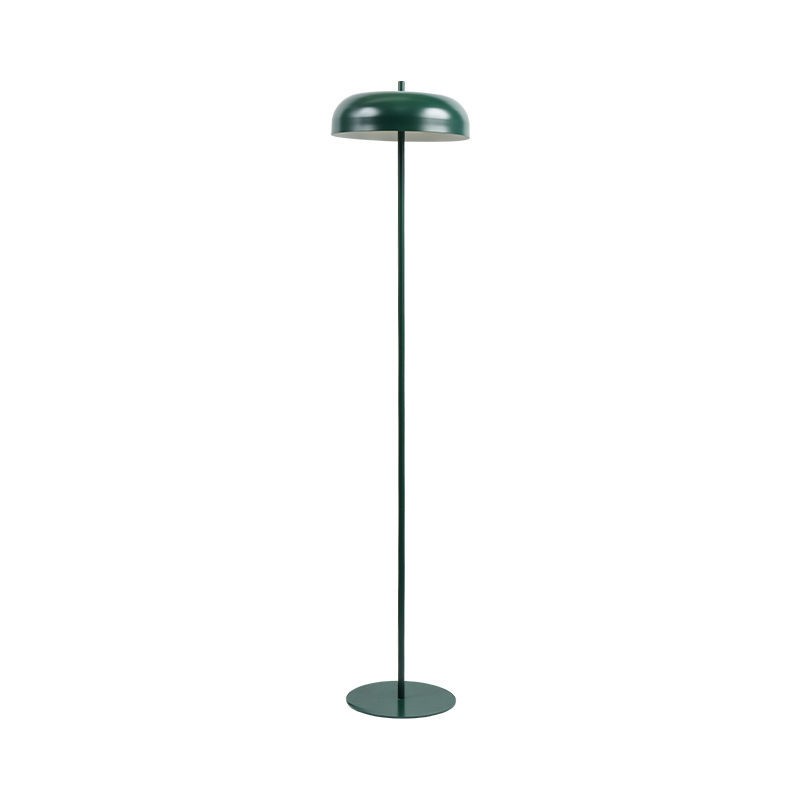
Imagine you are sourcing 2,000 lamps for a boutique hotel renovation, and the specification sheet only says "fluorescent lamp vs incandescent lamp." ...
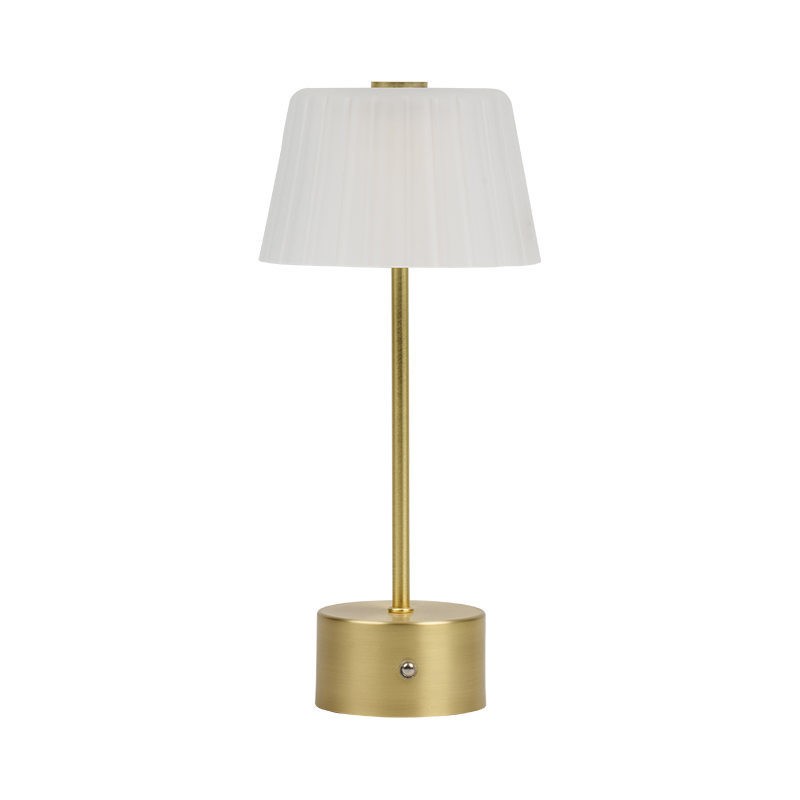
A restaurant operator in Sydney is lighting a courtyard terrace where the contractor never installed outdoor sockets. A hotel buyer needs bedside lam...
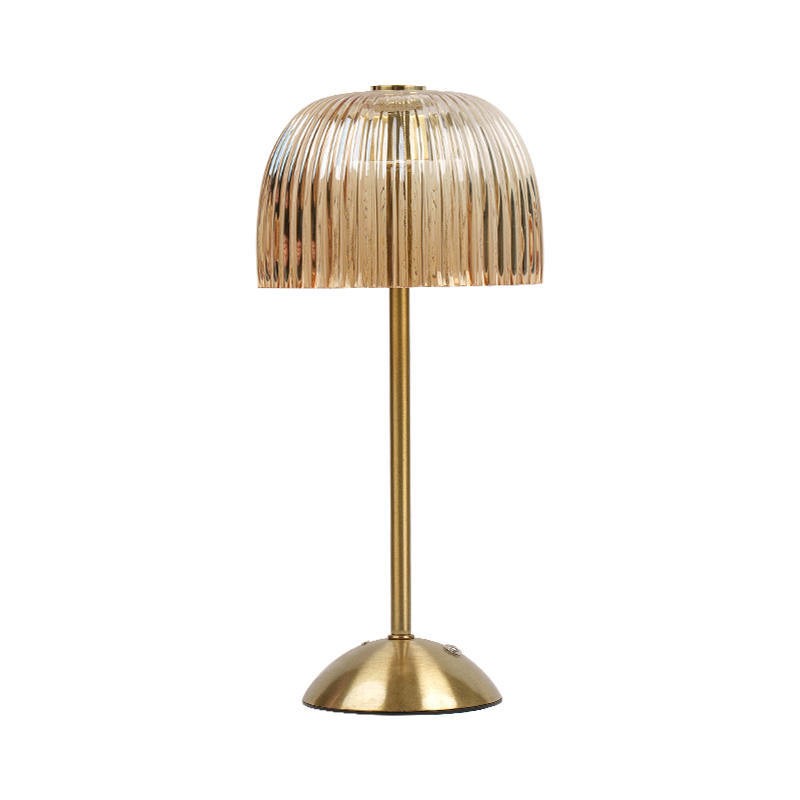
Why Cordless Table Lamps Rechargeable Models Are Gaining Traction in the Contract Lighting Market A cordless table lamp rechargeable design solves a ...
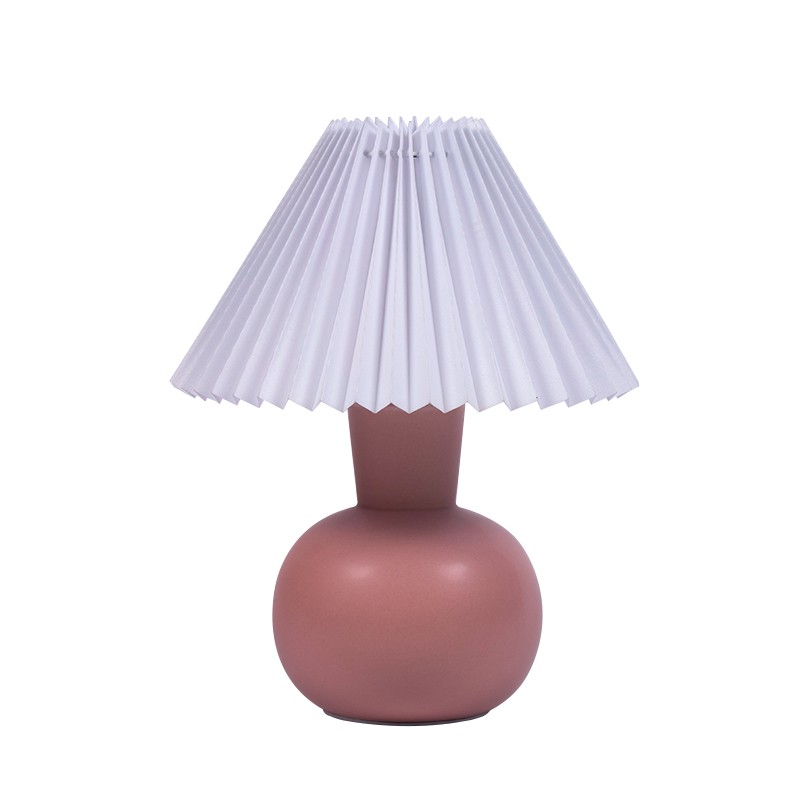
Every buyer who has sourced decorative lighting has met the same mismatch: the catalogue drawing looks right, the finish is approved, and then the sh...

 No.11 Gongji South Road, Linshan Town, Yuyao City, Zhejiang Province, China
Copyright ? Yuyao Baolong Electrical Appliance Co., Ltd. All Rights Reserved. Wholesale Decoration Lamp Manufacturer Decoration Lamp Factory


bla@yybaolong.cn

+86-18868663339
+86-574-62067336