English
  中文简体
中文简体  Français
  Español
Fluorescent Lamp vs Incandescent Lamp: Efficiency, Cost, and Best Uses
Imagine you are sourcing 2,000 lamps for a boutique hotel renovation, and the specification sheet only says "fluorescent lamp vs incandescent lamp." ...
Choosing the right floor lamp comes down to three core factors: the type of light you need (ambient, task, or accent), the height and scale of your room, and the lamp's shade or beam direction. Once you match these three to your space, the decision becomes straightforward. Below is a complete breakdown of every major floor lamp type and exactly when to use each one.
Content
Before diving into details, here's a quick comparison of every major floor lamp category so you can immediately locate your best option:
| Lamp Type | Light Direction | Best Room Use | Ideal For |
|---|---|---|---|
| Torchiere | Upward | Living room, bedroom | Ambient/general lighting |
| Arc Lamp | Downward / angled | Living room, reading nook | Task + statement piece |
| Tripod Lamp | Diffused / all-around | Living room, studio | Décor + ambient light |
| Club / Pharmacy Lamp | Downward / focused | Office, study, bedroom | Focused task lighting |
| Tree / Multi-Head Lamp | Multiple directions | Living room, large bedroom | Flexible layered lighting |
| Swing Arm Lamp | Adjustable / directional | Bedroom, home office | Bedside reading, desk work |
| Novelty / Sculptural Lamp | Varies | Any accent corner | Decorative focal point |
Torchiere lamps point their bowl-shaped shade upward, bouncing light off the ceiling to create soft, even illumination across the entire room. They are the single most effective floor lamp type for replacing overhead lighting in spaces where ceiling fixtures are absent or insufficient.
A torchiere with a frosted or opaque shade produces warm, shadow-free light ideal for living rooms and bedrooms. Models with glass shades diffuse light slightly sideways as well, warming walls without harsh glare. Because the light travels upward first, low ceilings — under 8 feet — can make the room feel washed out; torchieres perform best in spaces with 9-foot ceilings or higher.
Arc lamps feature a long curved arm — often extending 60 to 80 inches horizontally — that sweeps the shade over a sofa, chair, or bed. The base sits against the wall while the light source hovers directly above where you need it, making arc lamps one of the most space-efficient ways to deliver task lighting over a seating area without a wall sconce or table lamp.
Their sculptural silhouette also makes them a strong decorative anchor in a living room. A marble or weighted stone base is common to prevent tipping, especially in homes with pets or children.
Tripod lamps rest on three angled legs, giving them an architectural, studio-photography aesthetic that works especially well in Scandinavian, mid-century modern, and industrial interiors. The shade is typically a drum or cone at standard torso height — around 58–65 inches tall — spreading light sideways and slightly downward.
Light output from a tripod lamp is softer and more localized than a torchiere. They are best used as a secondary light layer alongside ceiling lights, not as a room's primary source. In a well-lit living room, a tripod lamp adds warmth to a corner and creates visual interest without competing with other fixtures.
Club lamps (also called pharmacy or doctor's lamps) have a solid metal shade angled downward on an adjustable arm or gooseneck. They deliver a tight, focused beam of light — perfect for reading, detailed work, or illuminating a specific surface like a desk or side table. The classic pharmacy lamp design dates to the early 20th century and remains one of the most functional floor lamp formats ever made.
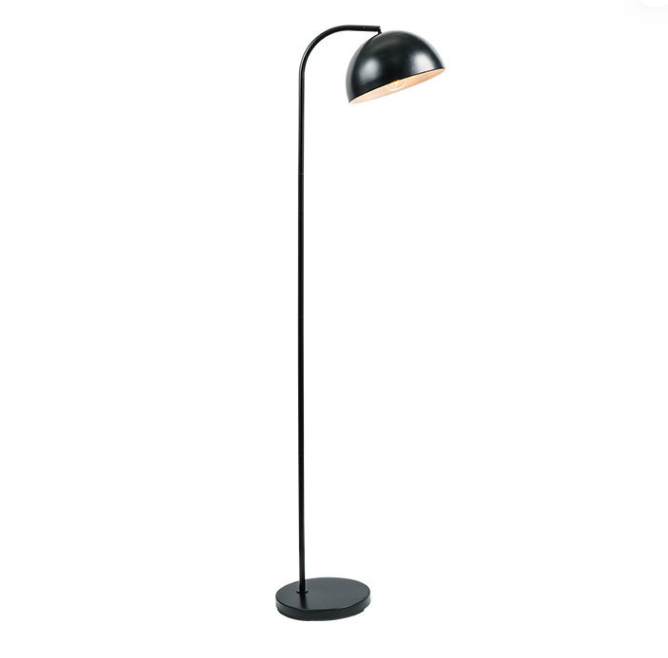
Because the shade blocks upward and sideward light, they produce almost no ambient spill. This makes them ideal for a bedroom where one person reads while the other sleeps, or for a home office where focused light is needed without illuminating the whole room.
Color temperature, measured in Kelvin, significantly affects how comfortable a task lamp feels over extended use:
Tree lamps branch from a single pole into multiple adjustable heads — typically three to five individual spotlights — that can be aimed independently in different directions. They function as both ambient and accent lighting simultaneously, allowing you to highlight a bookshelf with one head, illuminate a reading chair with another, and wash a corner with a third.
This versatility makes tree lamps an excellent value in living rooms or open-plan spaces where a single lamp needs to serve multiple zones. Most use small GU10 or E12 bulbs per head, so total wattage remains manageable even with five heads active. Look for models with individually switched heads for the most control.
Swing arm floor lamps work like a wall-mounted reading light — but without the wall. A jointed arm extends from the pole and can be repositioned horizontally and vertically, delivering light precisely where you need it moment to moment. They are the best floor lamp option for tight spaces because the base footprint is small while the arm reaches out 18–30 inches to serve a chair or bed.
In bedrooms, a swing arm lamp placed beside the bed eliminates the need for a table lamp, freeing nightstand surface space. In a home office, it supplements monitor light without the clutter of a desktop lamp. The adjustable arm also makes them a practical choice for renters who cannot install wall fixtures.
Scale is one of the most overlooked factors in floor lamp selection. A lamp that looks proportionate in a showroom can feel dwarfed or overwhelming in your actual space. Use these guidelines as a starting framework:
| Room Size | Ceiling Height | Recommended Lamp Type | Notes |
|---|---|---|---|
| Small (under 120 sq ft) | 8 ft | Club / Swing Arm | Slim footprint, focused light |
| Medium (120–250 sq ft) | 8–9 ft | Tripod / Arc | Décor + ambient balance |
| Large (250–400 sq ft) | 9–10 ft | Torchiere / Tree Lamp | Wide coverage needed |
| Open Plan (400+ sq ft) | 10+ ft | Multiple lamps or Tree + Torchiere | Layer types by zone |
As a general rule, lamp height should be roughly one-quarter to one-third of the room's ceiling height. In a standard 9-foot ceiling room, a lamp between 58 and 72 inches tall will feel proportionate.
Beyond function, the lamp's visual design should reinforce the room's existing style rather than fight it. Here's how the main lamp types map to common interior aesthetics:
Regardless of lamp type, these features significantly affect long-term usability and satisfaction:
A lamp with a built-in dimmer or rotary switch lets you shift from bright task lighting to soft evening ambiance using the same fixture. Over 60% of lighting designers recommend dimmable lamps as the single most impactful upgrade for living room atmosphere. Ensure the bulb is also dimmer-compatible — not all LED bulbs are.
Standard E26 (medium base) bulbs are universally available. Lamps using proprietary or integrated LED modules can be harder to replace when the light source fails. For longevity, choose a lamp with a standard replaceable bulb base.
Floor lamps with an inline cord switch — placed conveniently along the cord rather than at the base or a foot pedal — are noticeably easier to use in low-light conditions. Lamps with cable management clips or internal cord routing also look cleaner once installed.
Arc lamps in particular require a heavy base — marble and stone bases typically weigh 10–20 pounds — to prevent tipping. If you have young children or pets, prioritize stability ratings and look for bases with a low center of gravity.
The living room benefits most from layered lighting. An arc or torchiere as the primary floor lamp, supplemented by a tripod lamp in a corner, gives you both functional coverage and decorative depth. Avoid placing only one lamp in a large living room — a single source creates unflattering shadows.
A swing arm or club lamp next to the bed handles reading without disturbing a sleeping partner. A torchiere in the corner provides soft fill light for getting dressed or winding down. Warm bulbs at 2700K are strongly preferred in bedrooms for their sleep-friendly quality.
A pharmacy or club lamp with a 4000K neutral white bulb delivers the most practical task light for desk work. Position it to the side — not directly behind the monitor — to reduce screen glare. If the office doubles as a video call space, a torchiere provides even facial illumination.
Floor lamps are rarely the primary light source in dining rooms, but a tripod or sculptural lamp in a corner adds warmth during dinner gatherings. Use a warm bulb (2700K) and keep it on a dimmer to complement candlelight or overhead pendant fixtures.
Slim torchieres or architectural novelty lamps make a strong first impression in an entryway without consuming much floor space. Choose a lamp that stands at least 65 inches tall so it reads as intentional rather than undersized against the entry wall.
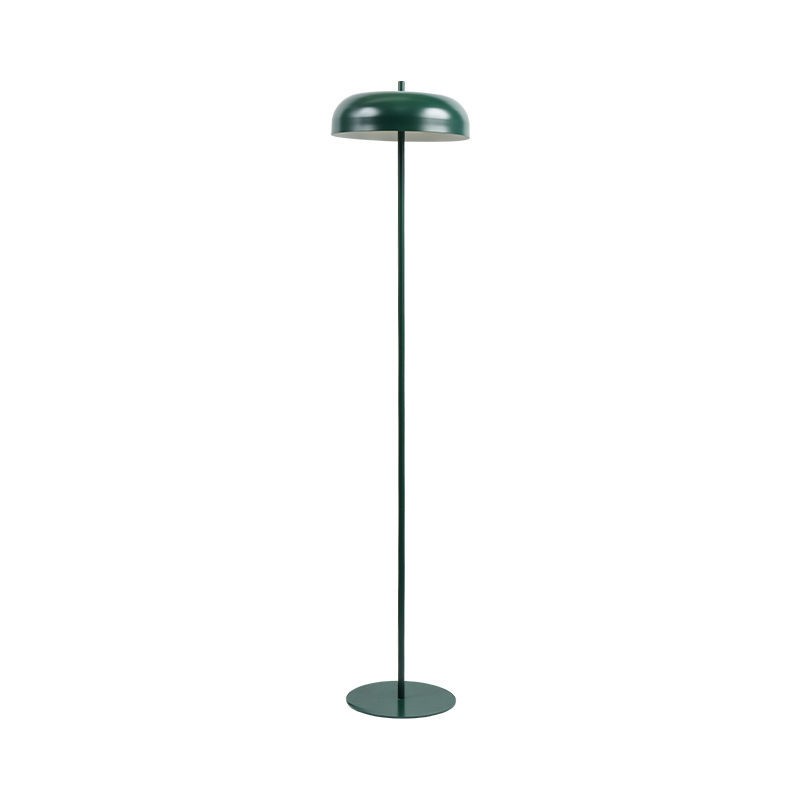
Imagine you are sourcing 2,000 lamps for a boutique hotel renovation, and the specification sheet only says "fluorescent lamp vs incandescent lamp." ...
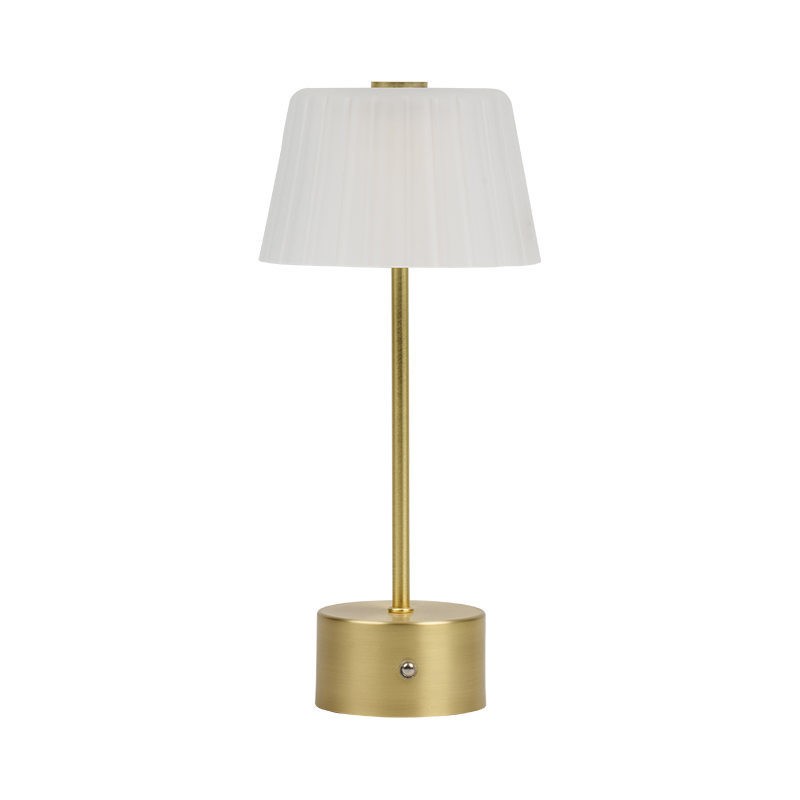
A restaurant operator in Sydney is lighting a courtyard terrace where the contractor never installed outdoor sockets. A hotel buyer needs bedside lam...
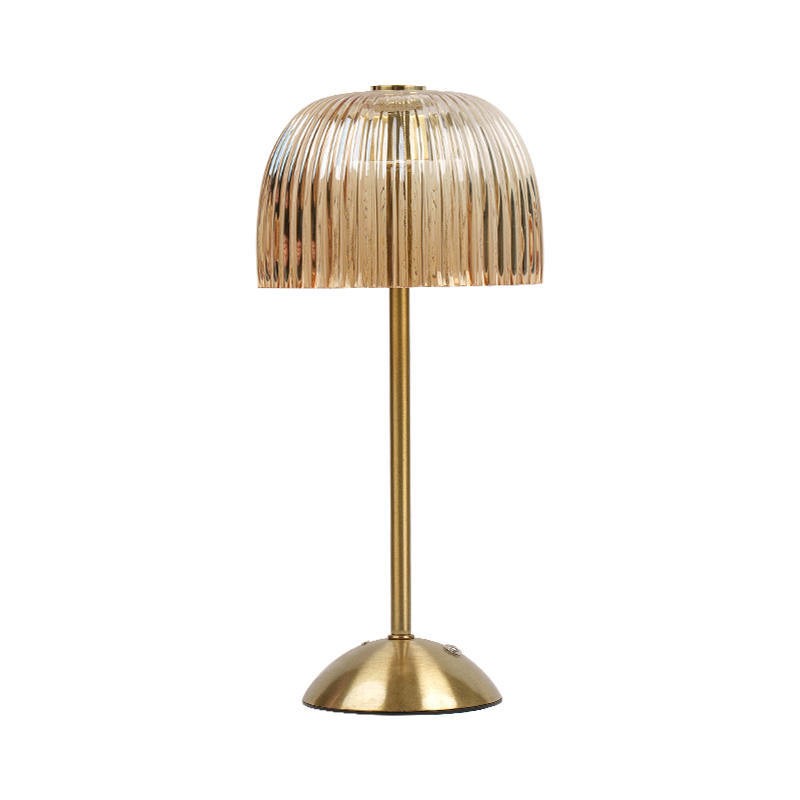
Why Cordless Table Lamps Rechargeable Models Are Gaining Traction in the Contract Lighting Market A cordless table lamp rechargeable design solves a ...
Every buyer who has sourced decorative lighting has met the same mismatch: the catalogue drawing looks right, the finish is approved, and then the sh...

 No.11 Gongji South Road, Linshan Town, Yuyao City, Zhejiang Province, China
Copyright ? Yuyao Baolong Electrical Appliance Co., Ltd. All Rights Reserved. Wholesale Decoration Lamp Manufacturer Decoration Lamp Factory


bla@yybaolong.cn

+86-18868663339
+86-574-62067336