English
  中文简体
中文简体  Français
  Español
Lamp Shade Types Explained: A Practical Sourcing Guide for B2B Importers
An importer in Rotterdam opens a container of 3,000 bedside lamps and finds 180 cracked glass shades. The bases are fine, the wiring passed inspectio...
In modern home and commercial space design, wall lamps have become an important element due to their unique lighting angles and decorative appeal. But have you ever wondered how a seemingly simple wall lamp achieves its beautiful and practical lighting effects?
Content
The working principle of a wall lamp is essentially a light guidance and control system. It relies on the light source, reflective/diffusing materials, and structural design to adjust the range and intensity of light.
The core of all wall lamps is the light source (such as LED beads, incandescent bulbs, or energy-saving lamps).
Power Supply: Wall lamps are typically powered by a circuit pre-embedded in the wall, connected to a power source via the lamp base or bracket. For modern sensor wall lamps (such as sensor lights used in certain scenarios), the principle may also involve infrared or light-sensing modules to automatically control the switch.
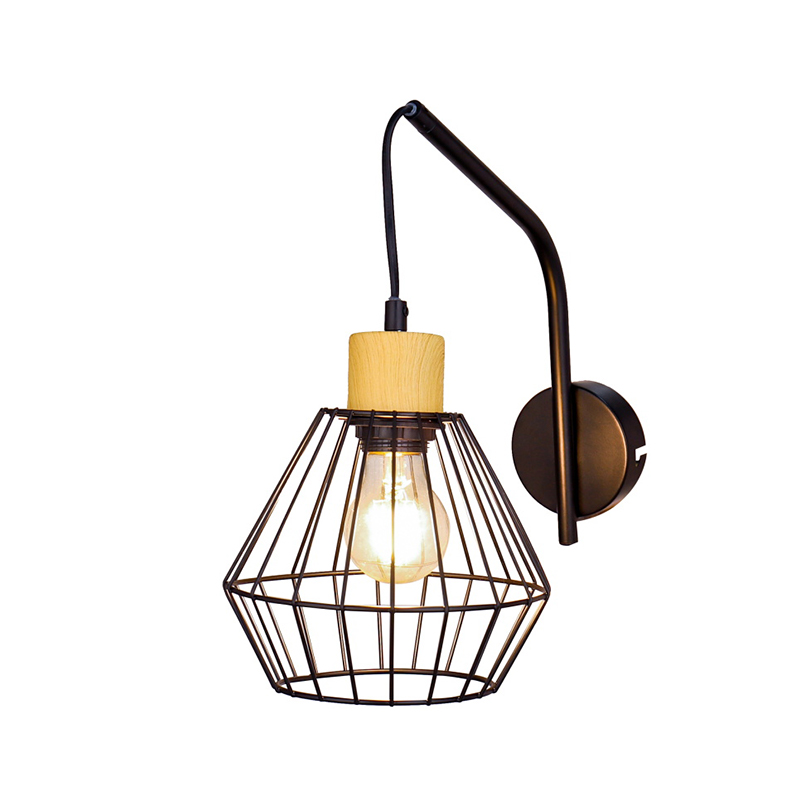
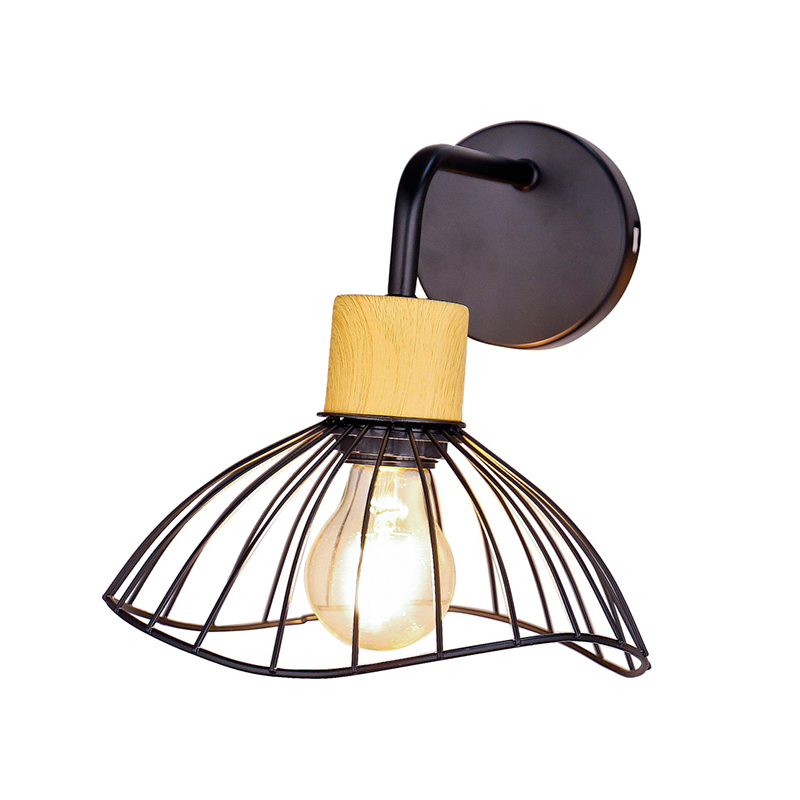
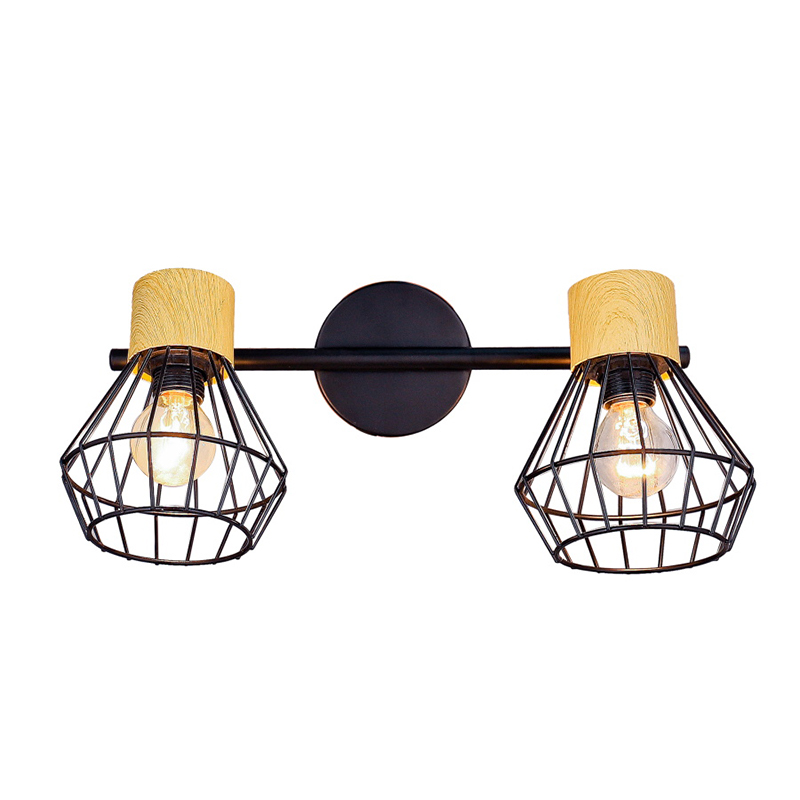
The differentiating functions and aesthetics of wall lamps are primarily reflected in their lampshades and structures, which determine how light is projected:
Some wall lamps use cup-shaped or parabolic lampshades (such as those made of metal), with specially treated inner surfaces (such as polishing or sandblasting) to focus light and guide the beam in a specific direction. This is often used in situations requiring upward or downward wall washing lighting.
Many wall lamps use glass or frosted materials as lampshades, which diffuse light, making it softer, more uniform, and reducing shadows and glare. For example, some high-end designs use multi-layered glass structures to achieve precise light control.
Some functional wall lamps, such as reading wall lamps, are designed with a hinge or connecting arm. This structure allows users to manually adjust the lamp head angle, achieving adjustable-angle projection and precisely illuminating the reading area.
After understanding the working principle of wall lamps, we can see that they are closely related to several related technologies and components: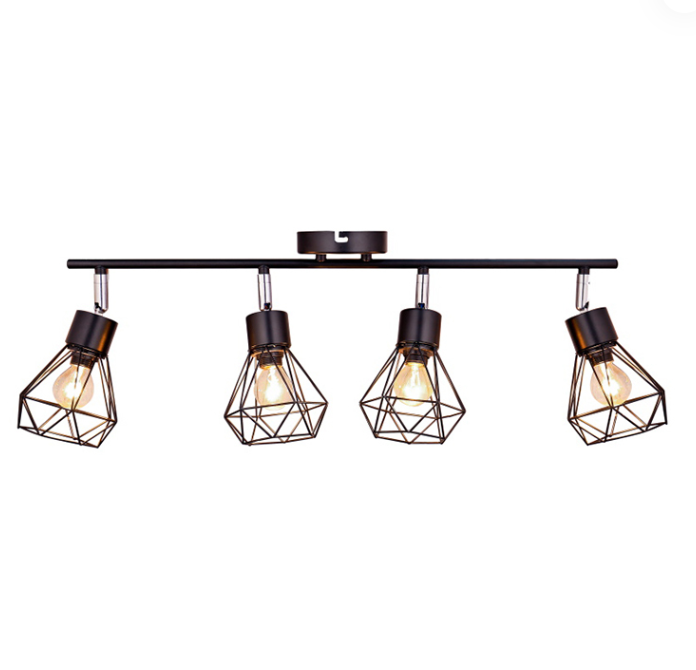
Wall lamps are a member of the lighting fixture family, and their design aesthetics are an important factor influencing home style.
Wall lamps primarily provide auxiliary or decorative lighting, often used in hallways, bedside areas, etc., to provide a more even distribution of light.
Some wall lamps integrate sensor technology, using infrared sensors to detect human body temperature or movement to automatically switch on and off, achieving energy savings.
The working principle of wall lamps is a combination of modern optics and structural engineering. Whether it's a wall lamp seeking a soft ambiance or a reading wall lamp requiring precise illumination, the core lies in how to project light into the space in the most ideal way through lampshade design and component combination, satisfying functional needs while enhancing the overall decorative value of the lighting fixture.
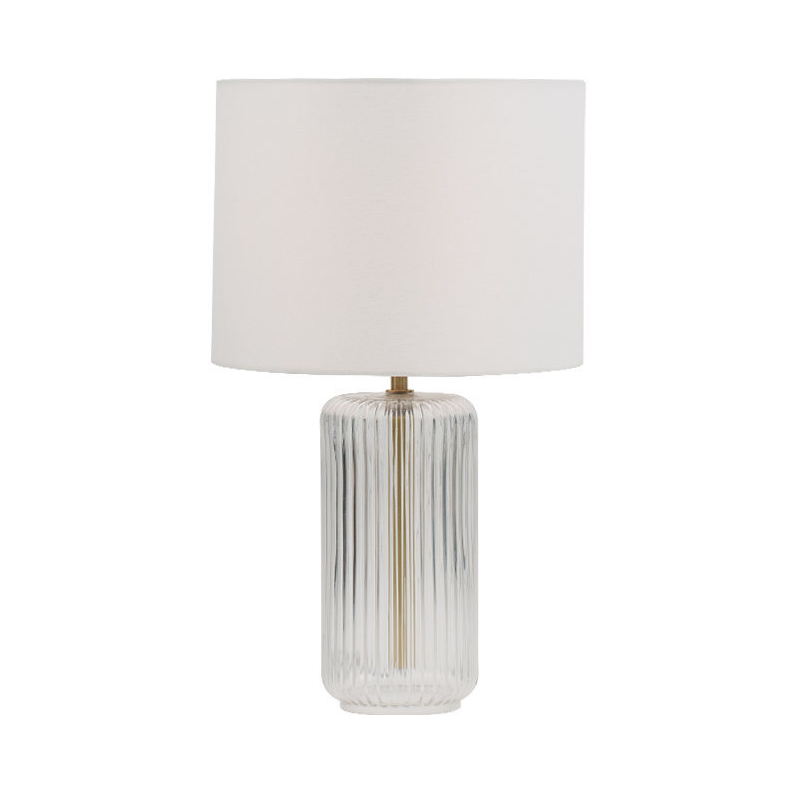
An importer in Rotterdam opens a container of 3,000 bedside lamps and finds 180 cracked glass shades. The bases are fine, the wiring passed inspectio...
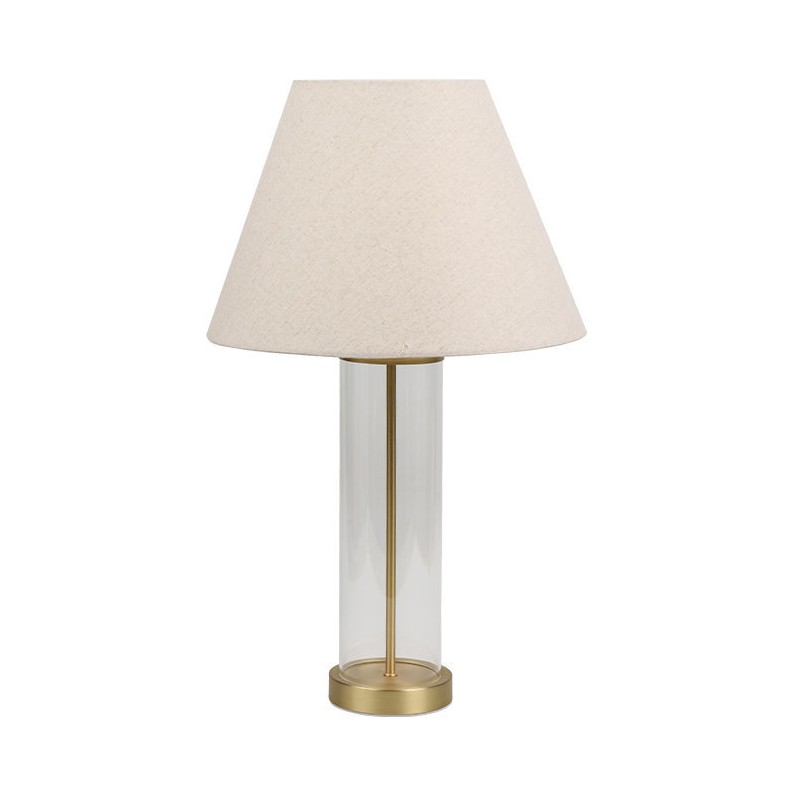
Two containers of the same decorative table lamp leave the same factory, and only the socket label changes: E27 for a German importer, E26 for a US w...
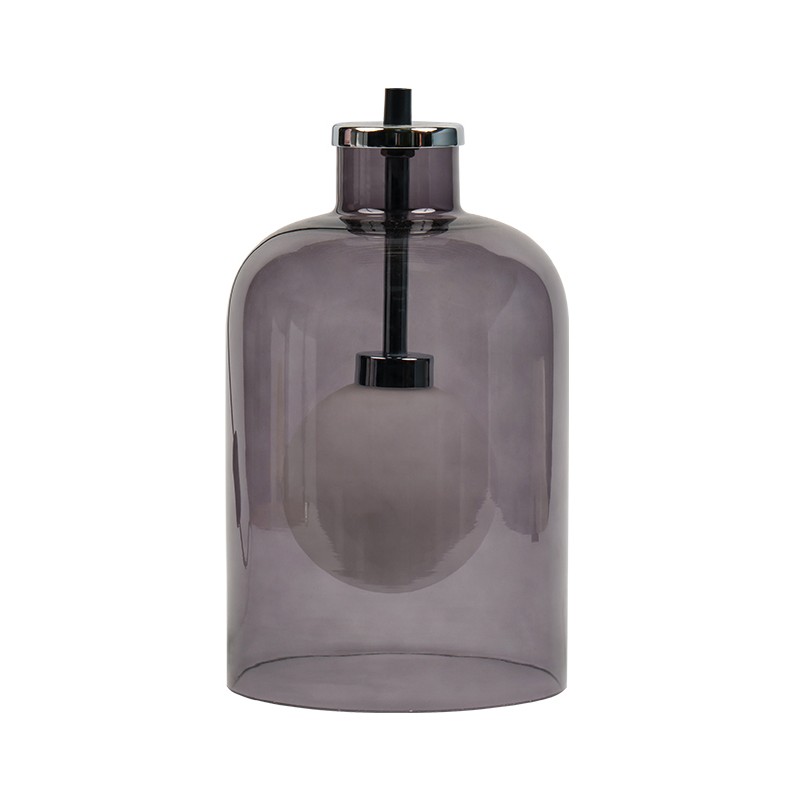
If a replacement lampshade arrives and will not sit straight, will not clear the bulb, or leans to one side, the fault is almost never the shade. It ...
Imagine you are sourcing 2,000 lamps for a boutique hotel renovation, and the specification sheet only says "fluorescent lamp vs incandescent lamp." ...

 No.11 Gongji South Road, Linshan Town, Yuyao City, Zhejiang Province, China
Copyright ? Yuyao Baolong Electrical Appliance Co., Ltd. All Rights Reserved. Wholesale Decoration Lamp Manufacturer Decoration Lamp Factory


bla@yybaolong.cn

+86-18868663339
+86-574-62067336