English
  中文简体
中文简体  Français
  Español
Fluorescent Lamp vs Incandescent Lamp: Efficiency, Cost, and Best Uses
Imagine you are sourcing 2,000 lamps for a boutique hotel renovation, and the specification sheet only says "fluorescent lamp vs incandescent lamp." ...
Table Lamp are indispensable lighting tools in modern homes and offices. They not only provide localized lighting to relieve eye strain, but are also key elements in desktop aesthetics and improving learning and work efficiency. Faced with a dazzling array of styles on the market, many people feel confused when choosing.
Content
When discussing the types of Table Lamp, the most important classification criteria are their design purpose and core functions.
These Table Lamp are designed specifically for students and professionals who need to read and write for extended periods.
Used in offices or home studies, requiring a wide lighting range to cover the area around the keyboard, documents, and monitor.
These Table Lamp prioritize aesthetic design and the creation of an interior atmosphere; lighting function is often secondary.

Besides their purpose, Table Lamp can also be categorized based on their lighting technology and installation method.
The light source is the core of a desk lamp, directly determining lighting quality, energy consumption, and lifespan. Main types include:
The installation method of a desk lamp determines how it interacts with the desktop space and the range of illumination it can cover.
Choosing the right desk lamp means choosing a more comfortable and efficient lighting environment. When purchasing, be sure to clarify your main needs and pay attention to the above key technical indicators to ensure your eye health receives the best protection.
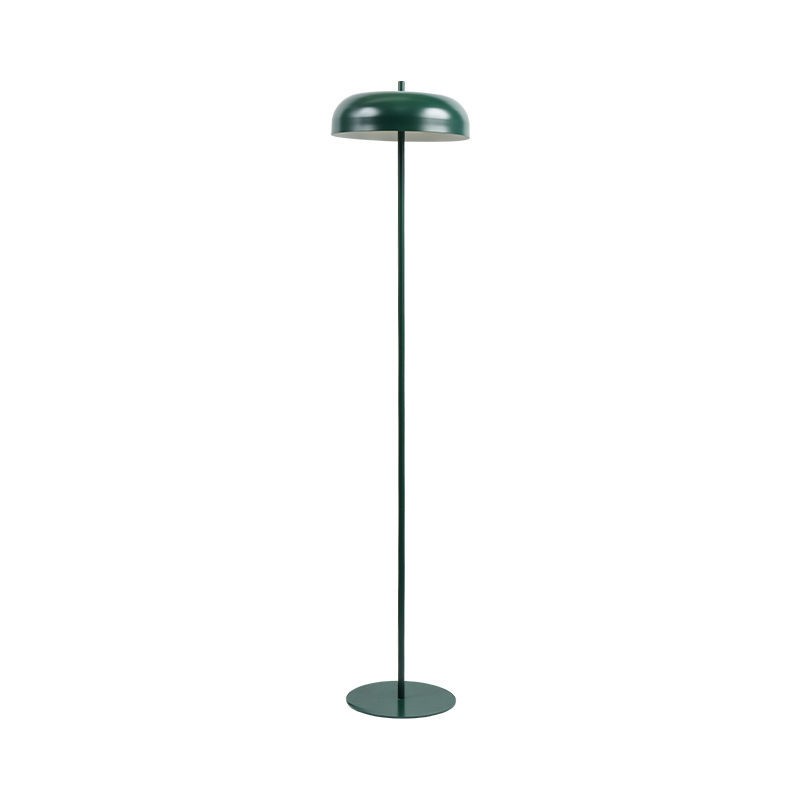
Imagine you are sourcing 2,000 lamps for a boutique hotel renovation, and the specification sheet only says "fluorescent lamp vs incandescent lamp." ...
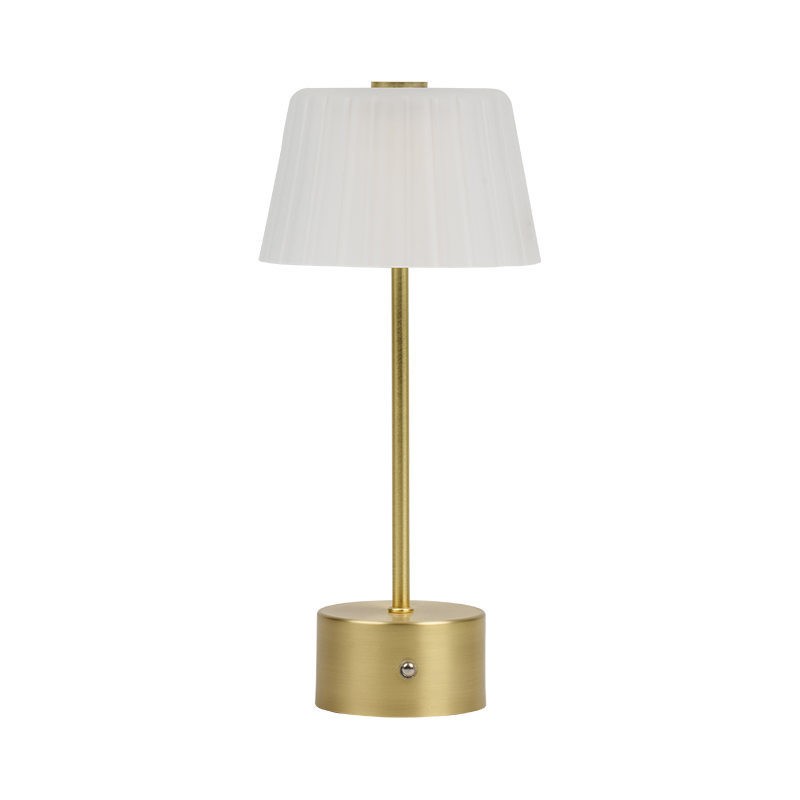
A restaurant operator in Sydney is lighting a courtyard terrace where the contractor never installed outdoor sockets. A hotel buyer needs bedside lam...
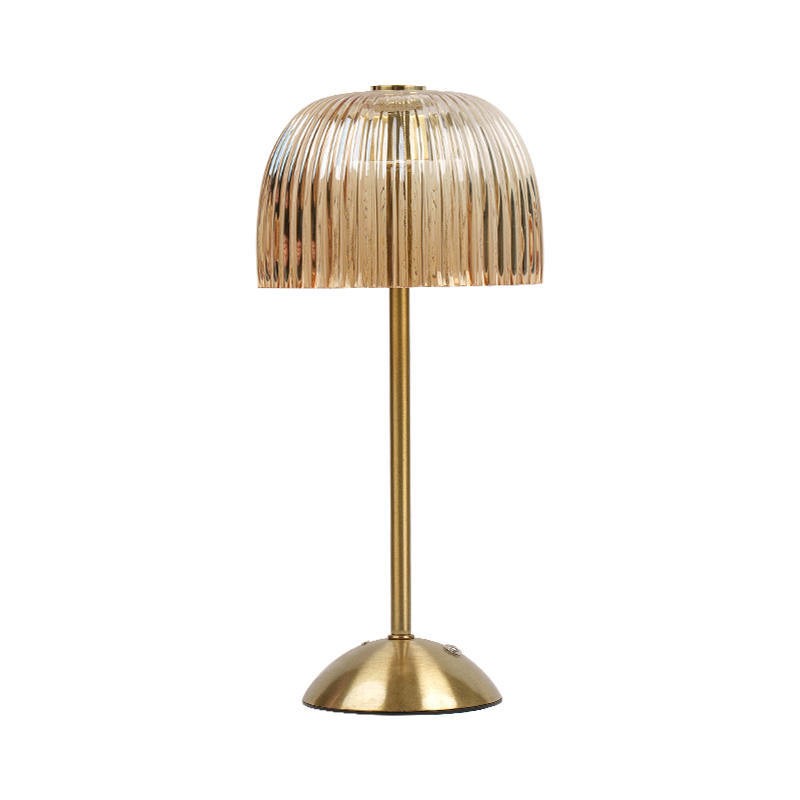
Why Cordless Table Lamps Rechargeable Models Are Gaining Traction in the Contract Lighting Market A cordless table lamp rechargeable design solves a ...
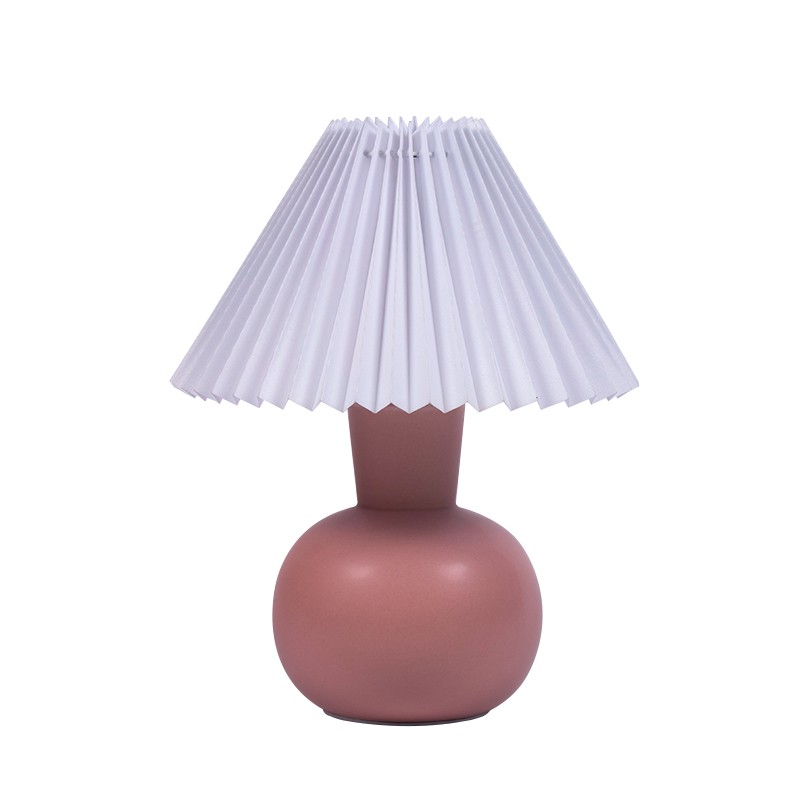
Every buyer who has sourced decorative lighting has met the same mismatch: the catalogue drawing looks right, the finish is approved, and then the sh...

 No.11 Gongji South Road, Linshan Town, Yuyao City, Zhejiang Province, China
Copyright ? Yuyao Baolong Electrical Appliance Co., Ltd. All Rights Reserved. Wholesale Decoration Lamp Manufacturer Decoration Lamp Factory


bla@yybaolong.cn

+86-18868663339
+86-574-62067336