English
  中文简体
中文简体  Français
  Español
Fluorescent Lamp vs Incandescent Lamp: Efficiency, Cost, and Best Uses
Imagine you are sourcing 2,000 lamps for a boutique hotel renovation, and the specification sheet only says "fluorescent lamp vs incandescent lamp." ...
The key to choosing a Glass Chandelier lies in balancing spatial proportions, light and shadow quality, and durability. As a visual focal point of home décor, a glass chandelier not only serves the function of indoor lighting, but its transparency and shape directly determine the room's sense of openness. When purchasing, you should prioritize the matching of ceiling height and chandelier size (generally, the bottom of the chandelier should be between 2.1 and 2.4 meters from the ground), and choose transparent, frosted, or colored glass according to the intended use to achieve the ideal ambiance.
Content
When purchasing a glass chandelier, size proportions are the primary factor determining aesthetics. An overly large chandelier will create a feeling of oppression, while an overly small one will appear cramped.
If you are choosing a glass chandelier for your dining table, the diameter of the chandelier should be approximately 1/2 to 2/3 of the width of the table. For example, a 90 cm wide dining table is best suited to a chandelier with a diameter of 45 to 60 cm.
In dining areas, the bottom of the light fixture should be 75 to 85 centimeters above the table. This height ensures light covers the plates without obstructing the view between diners.
For open spaces like living rooms, add the room's length and width (in meters), multiply the result by 10 centimeters, and you can roughly estimate the suitable diameter for the glass chandelier.
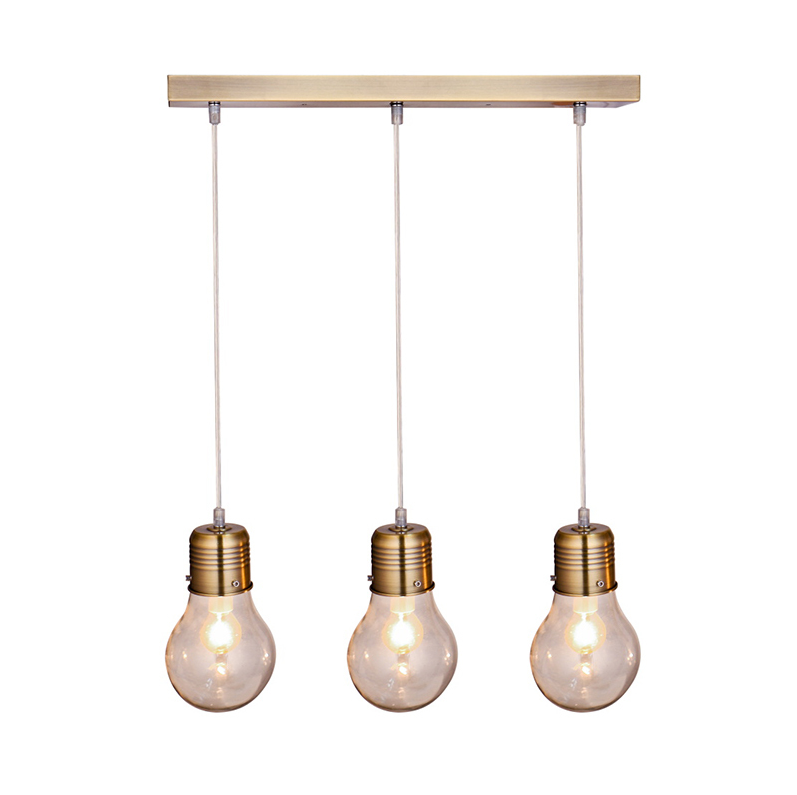
The charm of glass chandeliers lies in their diverse surface treatments, each creating distinctly different light and shadow characteristics.
Best suited for modern minimalist or industrial styles. With a light transmittance close to 90%, it best showcases the vintage beauty of Edison light bulbs. This style can make small spaces appear more spacious.
Suitable for bedrooms or studies. Its surface is treated with acid washing or sandblasting, transforming point light sources into soft surface light sources, effectively reducing glare and creating a warm, shadow-free lighting environment.
Such as water-patterned glass, bubble glass, or amber glass, commonly used in American or vintage styles. When light passes through textured glass chandeliers, it casts wavy shadows on the wall, creating a highly decorative effect.
Glass itself has a certain weight, especially multi-headed glass chandeliers, which place extremely high demands on the quality of the installation structure and accessories.
When purchasing, confirm the material of the hanging rod or rope. For Glass Chandelier with a single head weighing over 2kg, it is recommended to use load-bearing wire with a steel core or reinforced metal hanging rods to ensure no deformation during long-term suspension.
Glass is a poor conductor of heat. Heat accumulated inside a sealed glass lampshade may shorten the lifespan of the LED driver. High-quality glass chandeliers should have concealed ventilation holes at the lamp head or provide sufficient physical space for air convection.
It is recommended to choose high borosilicate glass or tempered glass with a thickness of 3mm or more. This material is not only more impact-resistant but can also withstand the thermal stress caused by frequent switching between high and low temperatures of the bulb.
Maintaining the crystal-clear appearance of the glass chandelier is key to maintaining the overall aesthetic of the decor. When choosing a design, anticipate future cleaning challenges.
Cup-shaped or spherical glass chandeliers with downward openings are less prone to dust accumulation; while bowl-shaped chandeliers with upward openings are more likely to become breeding grounds for insects and dust.
Some high-end glass chandeliers feature a nano-hydrophobic coating. This coating reduces fingerprints and grease buildup, making them particularly suitable for open kitchens or dining areas.
For complex light fixtures, a deep cleaning once a year is sufficient. A mixture of white vinegar and water in a 1:3 ratio, sprayed onto a non-woven cloth, can effectively remove limescale and dullness from the glass surface, restoring it to its original shine.
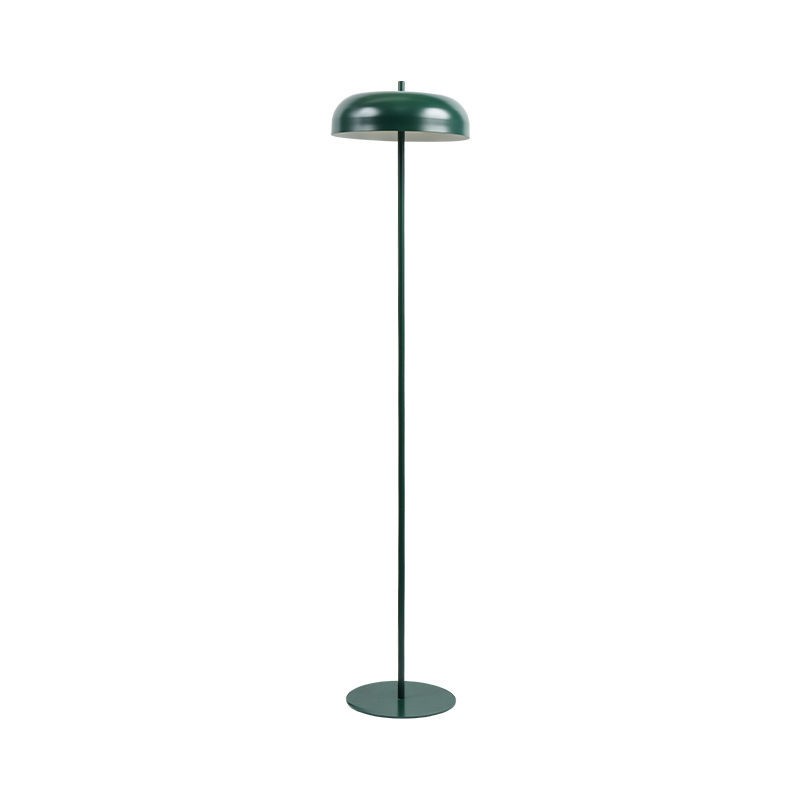
Imagine you are sourcing 2,000 lamps for a boutique hotel renovation, and the specification sheet only says "fluorescent lamp vs incandescent lamp." ...
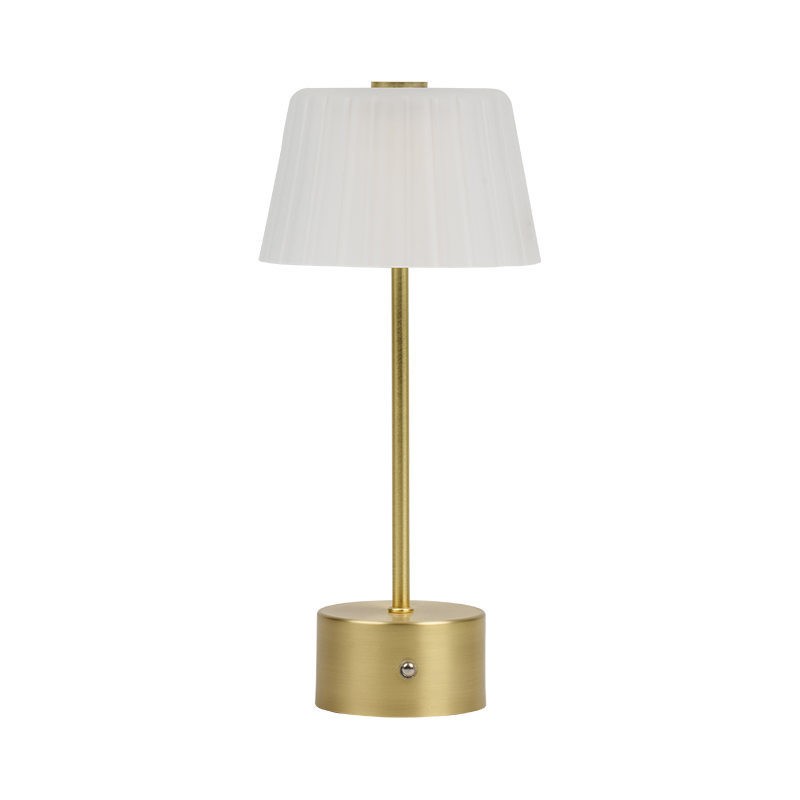
A restaurant operator in Sydney is lighting a courtyard terrace where the contractor never installed outdoor sockets. A hotel buyer needs bedside lam...
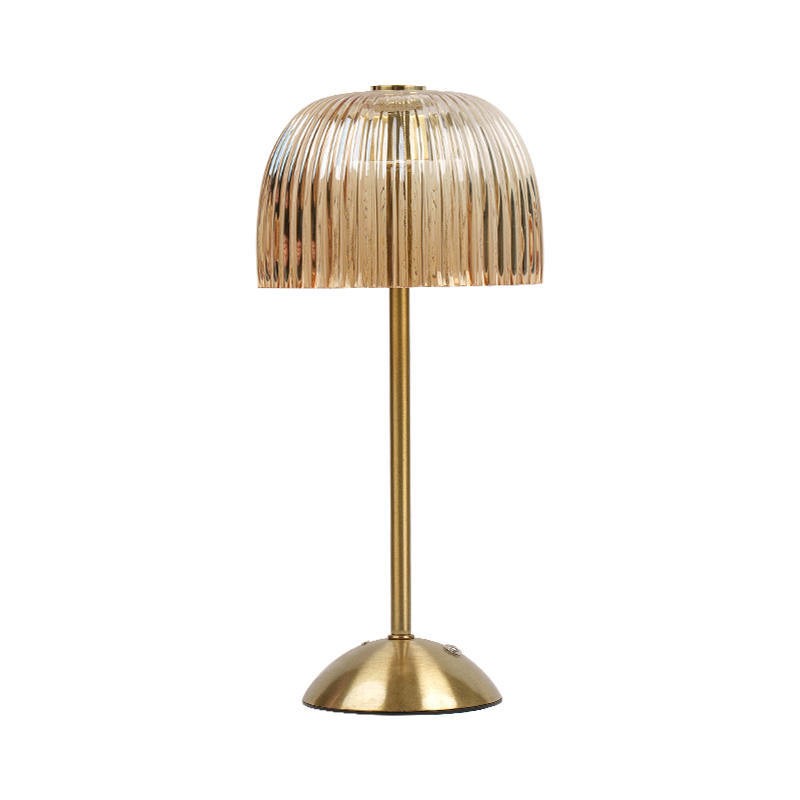
Why Cordless Table Lamps Rechargeable Models Are Gaining Traction in the Contract Lighting Market A cordless table lamp rechargeable design solves a ...
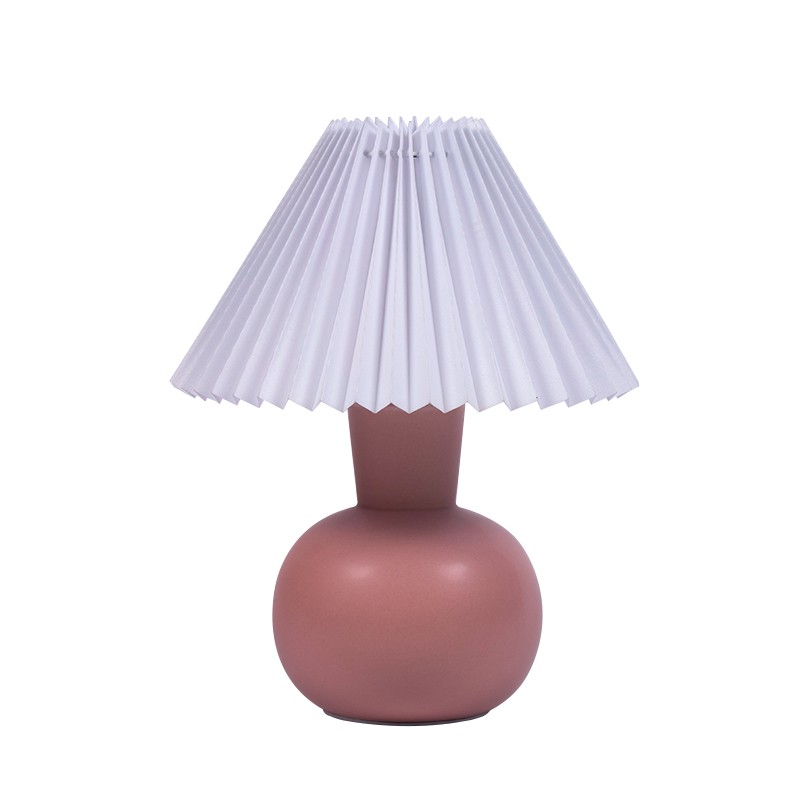
Every buyer who has sourced decorative lighting has met the same mismatch: the catalogue drawing looks right, the finish is approved, and then the sh...

 No.11 Gongji South Road, Linshan Town, Yuyao City, Zhejiang Province, China
Copyright ? Yuyao Baolong Electrical Appliance Co., Ltd. All Rights Reserved. Wholesale Decoration Lamp Manufacturer Decoration Lamp Factory


bla@yybaolong.cn

+86-18868663339
+86-574-62067336